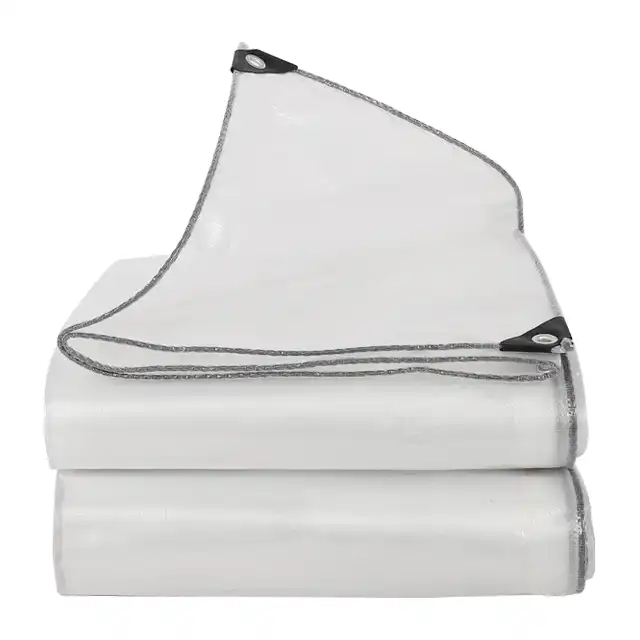
When shipping freight to Mexico, selecting the right polyethylene tarps can make the difference between damaged cargo and successful delivery. The best options combine heavy-duty construction with UV resistance, waterproof capabilities, and reliable grommets for secure fastening. Mexico's diverse climate zones—from humid coastal regions to arid northern states—demand tarpaulins that withstand extreme temperature variations and intense sunlight exposure during transit.
Why Quality Freight Covers Matter for Mexico Routes?
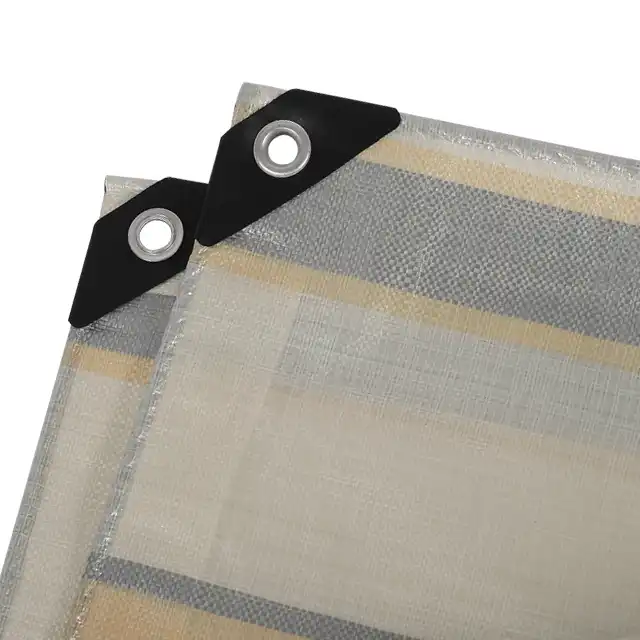
Freight transportation in Mexico encounters certain difficulties that are just too great for ordinary coverings. The nation's vast highway system, which stretches over 370,000 kilometers, passes through arid regions with temperatures over 40°C and humid coastal regions. When goods traverse these difficult routes, cargo protection becomes essential. Cargo damage, insurance claims, and customer discontent are all caused by subpar coverings. Expert freight operators are aware of the long-term financial benefits of purchasing high-quality polyethylene tarp materials. Regardless of the circumstances of the road, items are guaranteed to arrive in perfect condition thanks to weather protection, dust resistance, and safe fastening mechanisms. Covers for cross-border shipments between the US and Mexico must adhere to the shipping regulations of both nations. High-quality tarpaulins guard against moisture intrusion during border checks and lengthy checkpoint wait times.
Essential Selection Criteria for Freight Tarpaulins
A number of performance parameters must be considered while selecting suitable freight coverings. Durability is determined by thickness measurement in mils; heavy equipment needs 16-mil or thicker materials, while typical loads may be adequately protected with a minimum of 112 mils
Strength and Tear Resistance
Ratings for tear strength show how well tarpaulins withstand wind damage and punctures. Seek goods having a minimum tear strength rating of 200 pounds. At the stress locations where ropes and straps connect, reinforced edges and corner patches guard against failure. Overall durability is impacted by weave density. Superior puncture resistance is offered by high-count polyethylene fabric fabrication over lower-density substitutes, making polyethylene tarps more reliable in demanding environments. For optimal protection, professional-grade choices typically include reinforced weave patterns of at least 14 by 14, ensuring enhanced strength, durability, and resistance to tearing under heavy loads and repeated use.
Weather Resistance Properties
Degradation in strong Mexican sunlight is avoided by UV stabilization. UV inhibitors used in high-quality coverings preserve their strength and flexibility over time. Waterproof coatings need to be able to endure frequent exposure to road spray and pressure washing. Temperature stability makes sure that blankets don't soften in intense heat and stay flexible in chilly northern climates. High-quality polyethylene compositions continue to function at temperatures between -40°C and 70°C.
Fastening System Requirements
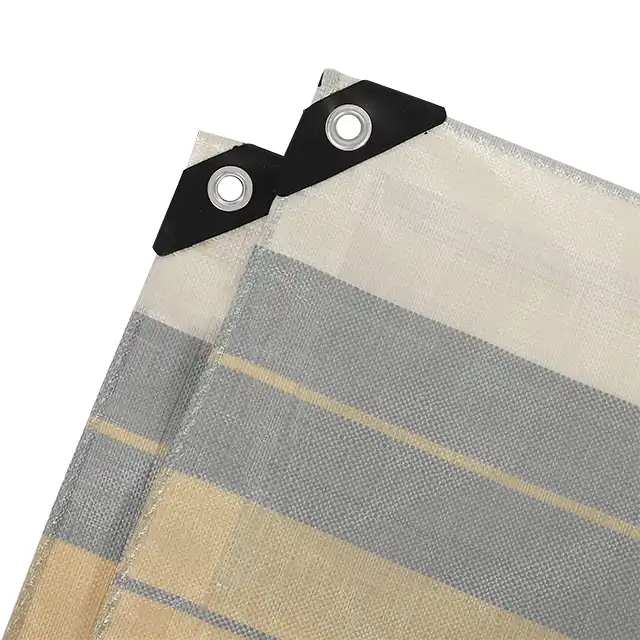
Reliability in securing is determined by grommet spacing and reinforcing. Professional covers include strengthened backer plates and grommets spaced 18 to 24 inches apart. In coastal settings, corrosion is avoided by using stainless steel or brass that is resistant to rust.
Top Polyethylene Tarps for Mexico Freight Applications
Heavy-Duty Industrial Grade Covers
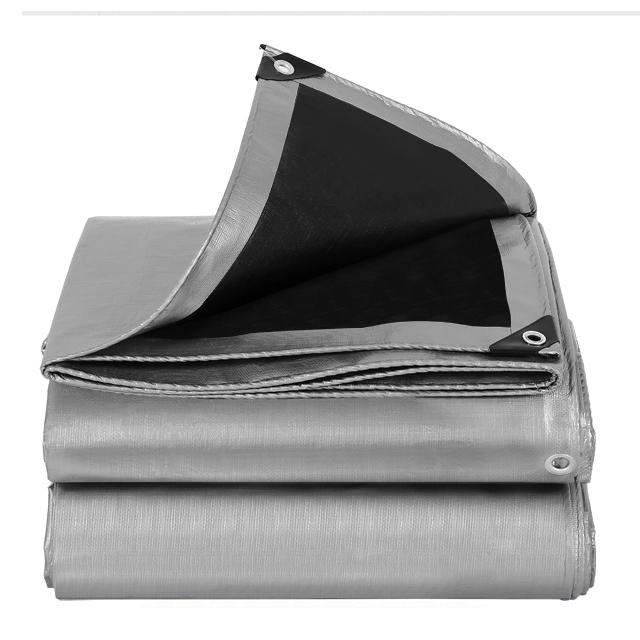
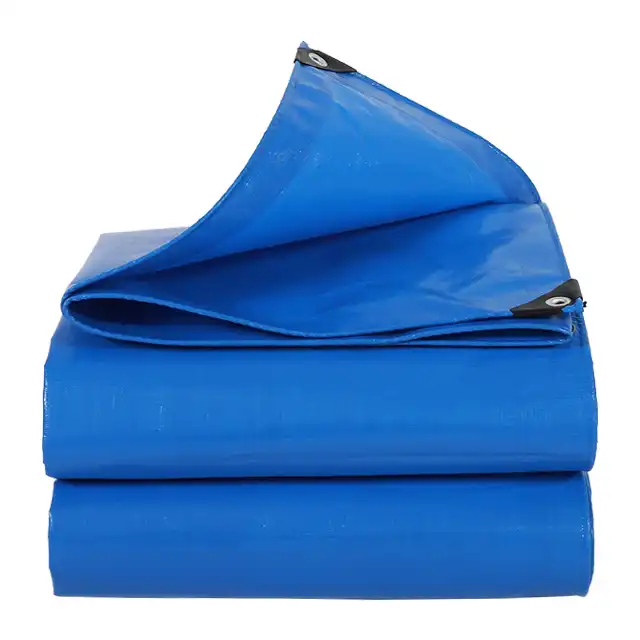
High-value cargo is best protected with industrial-grade polyethylene coverings, where polyethylene tarps provide dependable resistance to moisture, UV exposure, abrasion, and mechanical damage during storage and transportation. These 16-mil thickness alternatives include reinforced scrim backing and a multi-layer design. The laminated design surpasses industry standards in waterproof performance and tear resistance. These coverings are preferred by professional freight operators for shipments of consumer items, equipment, and electronics. During prolonged outdoor storage at distribution facilities, the improved UV protection preserves the integrity of the cover. Double-stitched hems and reinforced corner patches guard against failure under severe wind loads, which are typical on Mexican roads. Sizes ranging from 12 by 16 feet to bespoke measurements surpassing 40 by 60 feet are available. Large covers remove possible leak locations by accommodating bigger loads without seams. Higher initial expenditures are justified by the heavyweight construction's longer service life and lower replacement frequency. Blue for visibility during inspections and silver for heat reflection are two possible color choices. For shipments of hazardous materials, flame-retardant compositions satisfy transportation safety regulations. Reinforced tie-down straps suitable for highway speeds and sturdy bungee cords are examples of professional installation equipment.
Multi-Purpose Medium-Weight Options
For ordinary freight applications, twelve-mil polyethylene coverings strike a compromise between affordability and protection. These adaptable choices can handle a variety of cargo, including packaged items and construction materials. The medium-weight design is simple for a single person to install and offers sufficient weather protection. During temperature fluctuations, breathable versions enable air circulation to avoid moisture accumulation. For loads that are susceptible to moisture buildup, such as fabrics and paper goods, this feature is crucial. The micro-perforated design allows for vapor passage while maintaining weather resistance. Bright orange for strong visibility and forest green for camouflage purposes are common color selections. Options for reflective strips improve safety while loading facilities are operating at night. These coverings are appropriate for applications requiring regular usage due to their balanced weight-to-strength ratio. In order to avoid tear-out under strain, grommet reinforcement has a double-layer backing. Sharp edges that might harm cargo surfaces are eliminated by the rolled hem structure. These characteristics increase cover life while maintaining the high levels of professionalism demanded by large freight firms.
Economy Grade Basic Protection
For short-distance travel and situations where money is tight, eight-mil economy coverings are ideal. These choices provide basic weather protection for non-critical cargo, but they lack premium features. For fleet operators, the decreased weight makes handling easier and lowers storage needs. Limited UV protection limits the amount of time spent outside, but it is sufficient for covered loading dock applications. Standard fastening techniques are accommodated by basic grommet spacing at 24-inch intervals. For high-volume consumers, simple polyethylene construction keeps prices low. One-way shipments where cover return logistics are impossible are examples of disposable uses. These are appropriate for infrequent freight operators or emergency protection requirements due to their low investment barrier. Consistent performance within design constraints is guaranteed by quality control standards.
Mexico Market Considerations and Regulations
Secure load covering is mandated by Mexican transportation rules for the carriage of freight on highways. Adequate weather protection and cargo restraint systems are required under federal vehicle regulations. Weigh stations and border crossings around the nation are subject to compliance checks. Cover selection tactics are influenced by regional climatic differences. While southern areas encounter tropical humidity and heavy rains, northern states experience arid climates with sharp temperature changes. Salt air from coastal routes speeds up the rusting of metal components. Local procurement preferences favor authorized distributors or suppliers with operations in Mexico. Building ties with local vendors guarantees technical assistance and component availability. Cultural business traditions prioritize dependability and interpersonal connections above judgments based only on pricing.
Installation and Maintenance Best Practices
The lifetime and functionality of covers are maximized by proper installation practices. Start by looking for protrusions or sharp edges on cargo surfaces that might pierce tarpaulins. When required, use edge protection materials to guard against damage while in transit. Wind resistance and load stability are impacted by the securing process. To get rid of air pockets, begin securing at the front corners and proceed methodically. Don't overtighten to the point that grommets or fabric are stressed. Instead, keep the tension constant.
Routine Inspection Protocols
Before issues arise, wear patterns and possible failure areas are found via routine inspection programs. After every usage, examine the fabric's condition and the integrity of the grommet. To identify recurring stress regions that need strengthening, note the sites of damage. Cleaning techniques increase service life by getting rid of pollutants and collected dirt. Road film and salt deposits may be removed with mild detergent solutions without causing harm to polyethylene materials. Mold cannot develop during storage if the area is well-dried.
Storage and Handling Guidelines
Covers are shielded from mechanical harm and UV deterioration by proper storage. To avoid concentrating tension, fold along the original creases. Keep out of bright sunlight and sharp objects, and store in cool, dry places. Rotating the inventory guarantees that older coverings are used first before deterioration occurs. Put purchase dates and condition evaluations on storage container labels. Keep spare inventory levels in line with expected cover life and route frequency.
Cost Analysis and ROI Calculations
Investment expenditures for tarpaulins are modest in comparison to cargo damage costs and insurance deductibles. Although premium coverings are two to three times more expensive than basic choices, their service life is five to ten times longer. Determine the total cost of ownership, taking into account the value of damage prevention and replacement frequency. Properly fitting coverings minimize wind resistance, which improves fuel efficiency. On highway routes, aerodynamic upgrades may increase mileage by two to five percent. For high-mileage businesses, annual fuel savings often offset premium cover expenses. Consistent cargo condition upon arrival improves customer satisfaction metrics. Increased company volume and premium pricing possibilities are directly correlated with improved reputation. High-quality coverings serve as promotional materials that show a professional dedication to cargo safety.
Industry Trends and Future Outlook
Mexico freight transportation continues expanding with nearshoring trends bringing manufacturing closer to North American markets. Advanced polyethylene formulations incorporate recycled content while maintaining performance standards. Smart tracking technologies integrate with cover systems to monitor cargo conditions during transit. These innovations position quality tarpaulins as essential components of modern logistics networks serving Mexico's growing economy.
Conclusion
Selecting appropriate polyethylene tarps for Mexico freight loads requires balancing protection requirements with operational costs. Heavy-duty options provide maximum security for valuable cargo, while medium-weight alternatives offer versatility for general applications. Consider route conditions, cargo sensitivity, and local regulations when making selection decisions. Quality covers represent investments in cargo protection that pay dividends through reduced damage claims and enhanced customer satisfaction. Professional freight operators recognize that reliable tarpaulin systems contribute directly to business success in Mexico's competitive transportation market.
Frequently Asked Questions
Q1: What thickness of polyethylene tarp works best for Mexico freight loads?
A: For Mexico freight applications, a minimum 12-mil thickness provides adequate protection for most cargo types. Heavy or valuable loads benefit from 16-mil covers that resist punctures and UV damage better. Consider route conditions and cargo sensitivity when selecting thickness grades.
Q2: How do I prevent tarp damage from wind during highway transport?
A: Proper securing eliminates loose fabric that catches wind and causes tearing. Use adequate tie-down points spaced 18-24 inches apart and maintain consistent tension. Aerodynamic installation techniques reduce wind stress while improving fuel economy.
Q3: What size polyethylene tarp should I choose for standard freight trailers?
A: Standard 53-foot trailers typically require 24x27-foot covers for complete protection. Allow 3-4 feet overhang on all sides for proper securing. Custom sizes accommodate specialized trailers and oversized loads common in Mexican industrial shipments.
Partner with Shengde for Premium Polyethylene Tarp Solutions
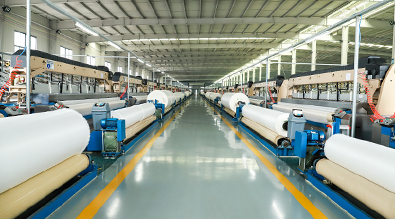
Shengde stands as China's leading polyethylene tarps manufacturer with over two decades of expertise serving global freight protection needs. Our advanced manufacturing capabilities include 400+ automatic water-jet looms and specialized 5-meter width fabric production lines that create seamless covers without joints. As a trusted supplier to international organizations like UNHCR and UNICEF, we understand the critical importance of reliable cargo protection. Our polyethylene tarps supplier network spans 30+ countries, ensuring local support for your Mexico freight operations. Contact us at info@shengdetarp.com to discuss custom solutions for your transportation requirements.
References
1. Transportation Research Board. "Cargo Securement Guidelines for Commercial Vehicle Operations." National Academy of Sciences, 2019.
2. Mexico Ministry of Transportation. "Federal Motor Carrier Safety Regulations: Cargo Protection Standards." Official Gazette, 2020.
3. International Organization for Standardization. "Flexible Intermediate Bulk Containers and Associated Equipment - Part 4: Test Methods." ISO 21898-4:2018.
4. American Trucking Associations. "Best Practices for Cross-Border Freight Transportation: Mexico Operations Manual." ATA Publications, 2021.
5. Society of Automotive Engineers. "Recommended Practice for Truck Trailer Load Securement." SAE J2364-2019.
6. North American Free Trade Agreement Transportation Commission. "Harmonized Cargo Protection Standards for NAFTA Routes." NAFTC Technical Report, 2020.