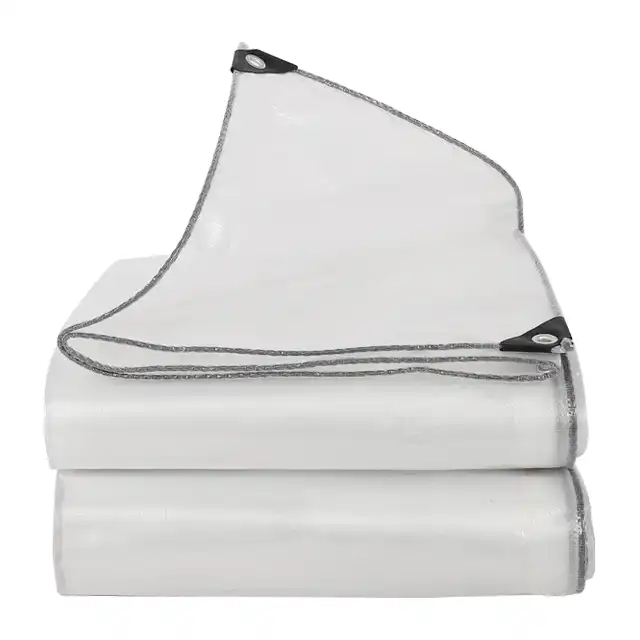
Tarpaulin manufacturing is a complicated industrial process that converts basic polyethylene ingredients into long-lasting, waterproof coverings required for a broad range of applications across the globe. This complete production process includes many precise phases such as yarn extrusion, fabric weaving, coating application, and final product assembly. Modern tarpaulin manufacturing facilities use innovative gear and quality control methods to provide consistent performance in a variety of challenging conditions. Understanding this process enables procurement professionals to make more educated judgments when choosing trusted providers for their protective covering requirements.
Understanding Raw Material Selection in PE Tarpaulin Production
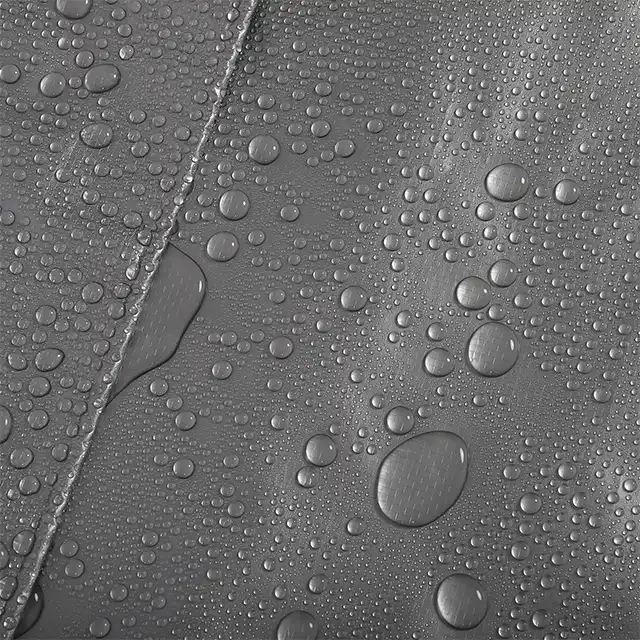
The cornerstone of excellent tarpaulin manufacturing starts with careful raw material selection. High-grade polyethylene resins are the foundation of long-lasting tarpaulin products, giving great strength and weather resistance. To get the best possible performance, manufacturers must consider resin density, molecular weight distribution, and additive compatibility. Premium facilities, such as those run by established firms, use specialist additives during material production. UV stabilizers defend against sun deterioration, whilst anti-oxidants inhibit polymer breakdown over prolonged outdoor exposure. Fire retardant additives improve the safety features of industrial products, making them acceptable for a wide range of situations such as building sites, agricultural activities, and emergency shelters. Advanced testing equipment is used in quality control labs to assess incoming products. Melt flow index measurements assure consistency in processing parameters, whilst tensile strength tests validate material integrity. These stringent tests ensure that only quality raw materials enter the manufacturing process, laying the groundwork for dependable final products.
Yarn Extrusion: Creating the Building Blocks
Using perfectly regulated heating and shaping operations, yarn extrusion converts polyethylene pellets into continuous filaments. Modern extrusion lines include numerous heating zones, each with a unique temperature to maximize polymer flow properties. Advanced facilities include around 30 high-technology extruding machines capable of creating yarn thicknesses ranging from 400D to 2500D. The extrusion process starts with material feeding devices that precisely measure polyethylene resin into heated barrels. Rotating screws move and melt the material while maintaining constant temperature profiles. Die assemblies shape molten polymer into homogeneous filaments, which are immediately cooled using regulated air or water systems. Drawing procedures stretch the freshly created yarns, achieving the necessary strength and diameter uniformity. Multi-stage drawing systems use graded stress levels, which align polymer chains for improved tensile performance. Throughout the manufacturing process, quality control systems continually evaluate yarn diameter, tensile properties, and surface quality. Winding machinery transfers completed yarns to enormous bobbins for future weaving processes. Automated tension control systems avoid overstretching and provide consistent winding density. This meticulous treatment protects yarn integrity and allows for smoother fabric weaving operations.
Fabric Weaving: Creating the Foundation Structure
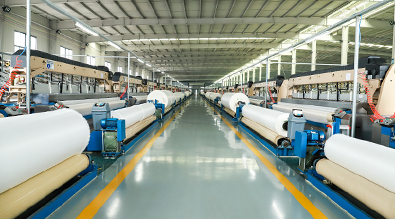
Fabric weaving is the core of tarpaulin manufacturing, with individual strands interlocking to form strong, flexible base materials. Modern weaving facilities make use of hundreds of autonomous water-jet looms imported from Korea, including specialist wide-width machines capable of creating textiles up to 5 meters without joints. This seamless structure removes any weak areas that might jeopardize product durability. Water-jet weaving technique provides more accuracy than conventional shuttle methods. High-pressure water streams move weft yarns through warp threads at remarkable speeds, resulting in constant fabric density and pattern development. Computer-controlled tension systems ensure appropriate yarn stress levels throughout the weaving process, reducing breakage and guaranteeing consistent fabric properties. Warp preparation entails putting hundreds of yarn ends onto huge beams to provide the longitudinal basis for fabric fabrication. Tension equalization methods guarantee that each thread bears the proper load, eliminating fabric deformation during further processing. Sophisticated monitoring technology identifies yarn breaks quickly, initiating automated repairs to ensure production continuity. Throughout the fabric manufacturing process, quality inspection is carried out regularly. Optical scanning systems detect faults, density fluctuations, and pattern inconsistencies. Automated cutting and labeling systems separate inferior areas, ensuring that only high-quality materials go to coating procedures. This rigorous attention to detail results in heavy-duty fabric foundations that can survive harsh weather conditions.
Coating Application: Adding Protective Properties
Coating application converts woven cloth into waterproof material via precise polymer deposition methods. Large fabric coating machines use many layers of specific chemicals to produce the appropriate barrier characteristics. Professional specialists monitor viscosity, temperature, and application thickness to guarantee uniform coating quality throughout all fabric widths. The coating process starts with fabric pre-treatment, which removes any surface impurities that may impede with adherence. Cleaning systems use controlled brushing and air jets to remove dust, lint, and processing oils. Surface preparation has a direct influence on the coating bond strength and long-term durability performance. Application systems apply accurate coating volumes to moving fabric surfaces. Doctor blade assemblies maintain a consistent coating thickness while heated cylinders cure the applied materials. Multi-layer treatments progressively form protective barriers, enabling each layer to fully cure before proceeding to the next layer. Curing ovens offer regulated heating settings for crosslinking polymer chains and developing final coating characteristics. Temperature profiling provides a full cure without fabric deterioration. Cooling portions support the coated fabric prior to winding processes, reducing blockage and surface damage during handling. UV-resistant formulations prevent final items from sun damage during prolonged outdoor exposure. Even after years of weathering, these specialist coatings keep their flexibility and strength. PVC coating choices improve chemical resistance for industrial applications that need protection against hostile agents.
Finished Product Processing: Assembly and Quality Assurance
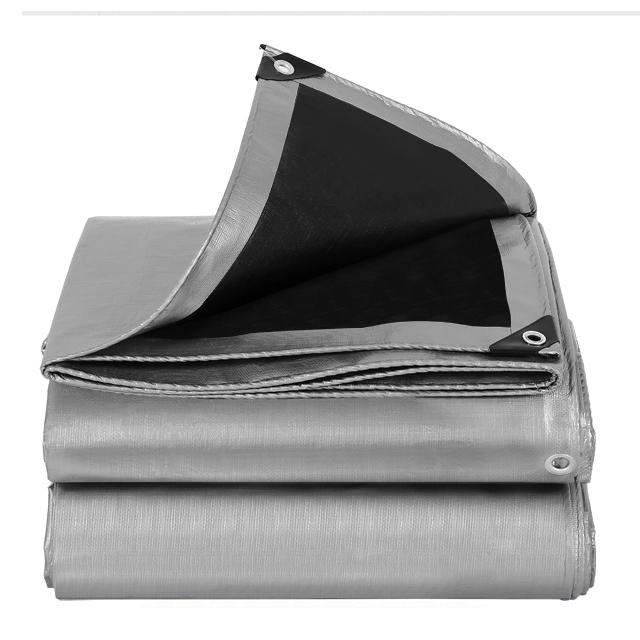
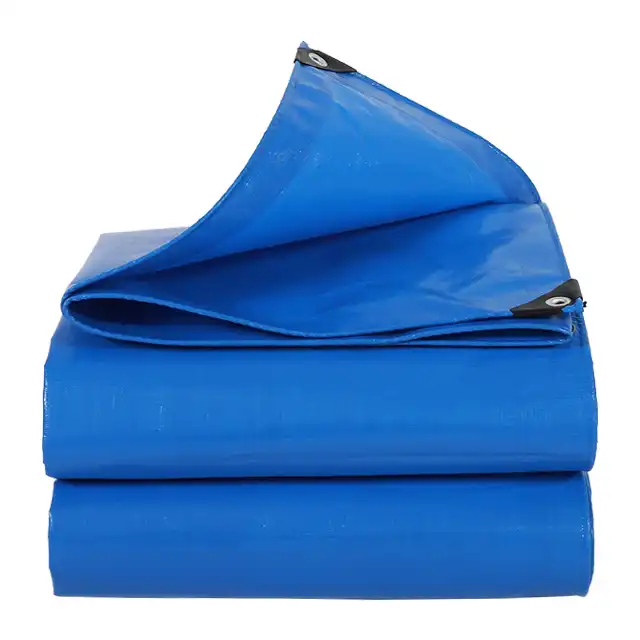
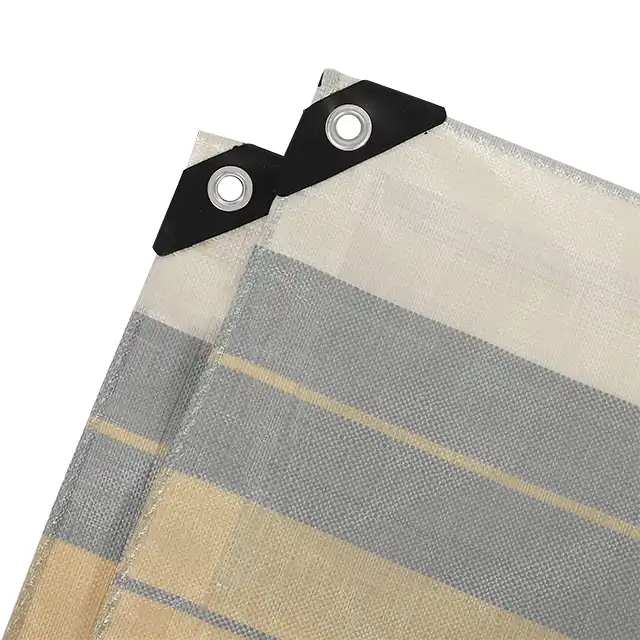
Finished product processing converts coated fabric into fully functional tarpaulins suitable for usage within the overall tarpaulin manufacturing process. Modern facilities include numerous manufacturing lines equipped with industrial heat-sealing equipment that can combine fabric portions with watertight seams. These powerful systems form bonds that are stronger than the basic material, assuring long-term performance under stress. Pattern cutting procedures use computer-controlled technologies to maximize material efficiency while maintaining accurate dimensional precision. Automated cutting lowers waste while ensuring uniform product dimensions throughout big manufacturing runs. Template systems may meet unique size requirements for particular applications. Reinforced edges offer strength to high-stress places where grommets and tie-downs connect. Edge reinforcement entails putting extra fabric strips or specialty tape materials before heat-sealing. This manufacturing style avoids tear propagation and considerably increases the product's service life. Grommet installation requires sophisticated equipment that makes regular holes and attaches metal reinforcements without injuring the surrounding fabric. Spacing calculations guarantee that loads are distributed optimally for common security applications. Quality control processes ensure grommet pull-out strength and corrosion resistance. Tarpaulin printing enables unique graphics and identifying labeling for branded applications. High-resolution pictures are produced by digital printing techniques and do not fade or peel when exposed to the outdoors. Custom printing suits business users' functional and marketing needs. The final inspection processes assess all aspects of product quality, including seam strength, coating adherence, dimensional correctness, and visual appearance. Statistical sampling procedures maintain constant quality standards throughout manufacturing batches. Only items that fulfill stringent requirements are approved for packing and shipping.
Quality Control Standards and Testing Procedures
Comprehensive quality management procedures guarantee that tarpaulins are manufactured to the highest standards at all times. ISO 9001:2015 accreditation shows a commitment to systematic quality systems and continuous improvement procedures. Advanced testing equipment compares product performance to worldwide standards and client demands. Tensile strength testing assesses fabric and seam performance under controlled load conditions. Universal testing machines use progressive forces to measure elongation properties. These tests anticipate real-world performance under wind loads, structural stress, and handling forces. Waterproof testing establishes barrier qualities by using defined hydrostatic pressure methodologies. Test specimens are subjected to continuous water pressure to ensure coating integrity and seam performance. Agricultural tarpaulin applications benefit especially from comprehensive waterproof certification due to their exposure to prolonged moisture conditions. UV exposure testing replicates years of outdoor deterioration in accelerated laboratory conditions. Xenon arc chambers simulate sun spectrum features while measuring material deterioration over time. These assessments inform formulation improvements and service life projections for diverse geographic locations. Third-party testing labs offer independent validation of product performance claims. External validation boosts consumer trust and helps meet export certification criteria. Regular testing processes provide manufacturing consistency and highlight areas for performance improvement. Environmental testing assesses performance under high temperature, humidity, and chemical exposure situations. These rigorous assessments guarantee that items work consistently, whether they are used in arctic construction projects or tropical agricultural applications.
Conclusion
Modern tarpaulin manufacturing represents a sophisticated blend of advanced materials science, precision engineering, and rigorous quality control. Understanding this complex process helps procurement professionals evaluate suppliers and make informed purchasing decisions. From yarn extrusion through final assembly, every step requires specialized equipment, skilled technicians, and comprehensive testing protocols.
Successful manufacturers combine state-of-the-art technology with experienced craftsmanship to deliver consistent product quality. Investment in advanced machinery, quality systems, and skilled workforce development separates leading producers from commodity suppliers. These investments ultimately benefit customers through superior product performance, reliable delivery schedules, and competitive pricing structures that support long-term business relationships.
Partner with Shengde for Premium Tarpaulin Manufacturing Solutions
Shengde delivers exceptional tarpaulin manufacturing expertise backed by two decades of industry leadership and trusted partnerships with UNHCR, IOM, ICRC, and UNICEF. Our advanced production capabilities include 100+ tons daily output capacity and comprehensive customization services for demanding applications. Whether you need waterproof covers for aquaculture, orchard protection, or industrial use, our experienced team provides reliable solutions tailored to your specific requirements. Contact us at info@shengdetarp.com to discuss your tarpaulin supplier needs.
References
1. Smith, J.R. "Polyethylene Film and Sheet Manufacturing: Process Technology and Quality Control." Industrial Plastics Journal, 2023.
2. Chen, L.M. "Advanced Coating Technologies for Waterproof Textile Applications." International Materials Processing Review, 2022.
3. Rodriguez, M.A. "Quality Management Systems in Synthetic Fabric Production." Manufacturing Excellence Quarterly, 2023.
4. Thompson, K.E. "UV Stabilization Strategies for Outdoor Polymer Applications." Polymer Durability Studies, 2022.
5. Williams, D.C. "Water-Jet Weaving Technology: Advances and Applications in Technical Textiles." Textile Engineering Today, 2023.
6. Anderson, P.L. "Heat Sealing Techniques for Thermoplastic Sheet Materials." Industrial Fabrication Methods, 2022.