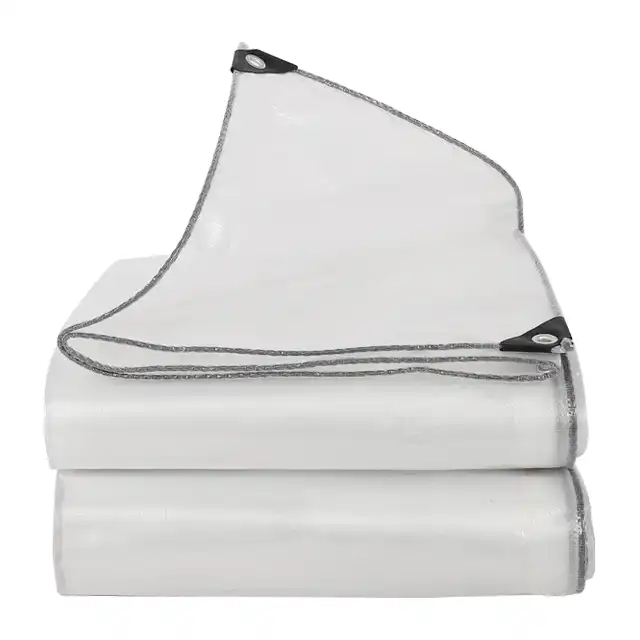
Guide: Where to Buy Cheap But Quality Tarps in China
Finding affordable yet durable tarps in China requires knowing where to look and what to prioritize. The best sources for cheap tarps include established PE tarpaulin manufacturers like Linyi Shengde Plastic Co., established in 2003 with partnerships with international organizations including UNHCR, IOM, ICRC, and UNICEF. These manufacturers offer competitive pricing through direct factory sales, bulk purchasing options, and streamlined production processes that reduce overhead costs while maintaining quality standards for construction, agriculture, logistics, and transportation applications.
Understanding the Chinese Tarp Manufacturing Landscape

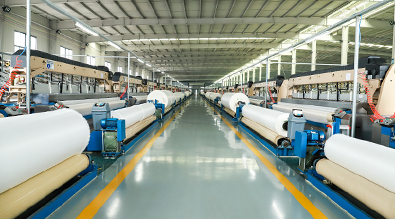
China dominates global tarpaulin production, accounting for approximately 70% of worldwide polyethylene tarp manufacturing. The industry is primarily concentrated in Shandong Province, where favorable policies and abundant raw materials create competitive advantages. Major manufacturing hubs like Linyi have developed comprehensive supply chains that significantly reduce production costs. Manufacturing costs remain low due to economies of scale and efficient production methods. Large facilities often house multiple production lines, including wire drawing equipment, water-jet looms, and coating machines. This integrated approach eliminates intermediary costs that typically inflate prices in other markets. The regulatory environment supports export-oriented manufacturing through tax incentives and streamlined customs procedures. Quality control measures have improved dramatically over the past decade, with many producers achieving ISO 9001:2015 certification and implementing comprehensive quality monitoring systems throughout the production processes.
Key Factors That Determine Tarp Quality and Price
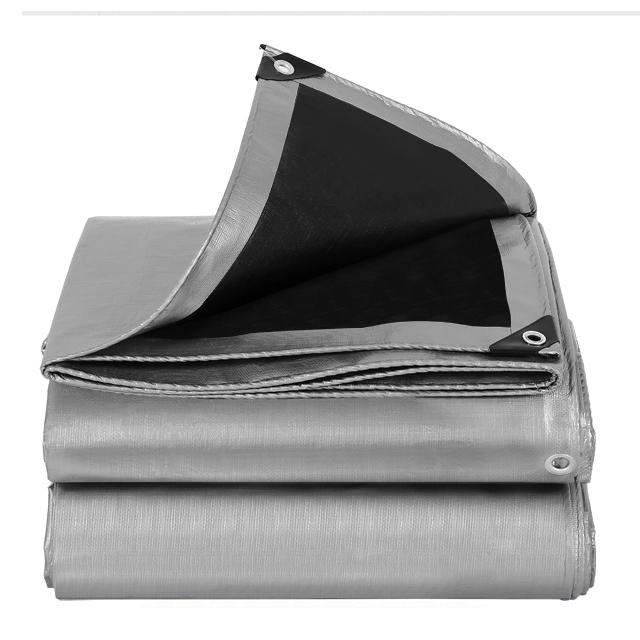
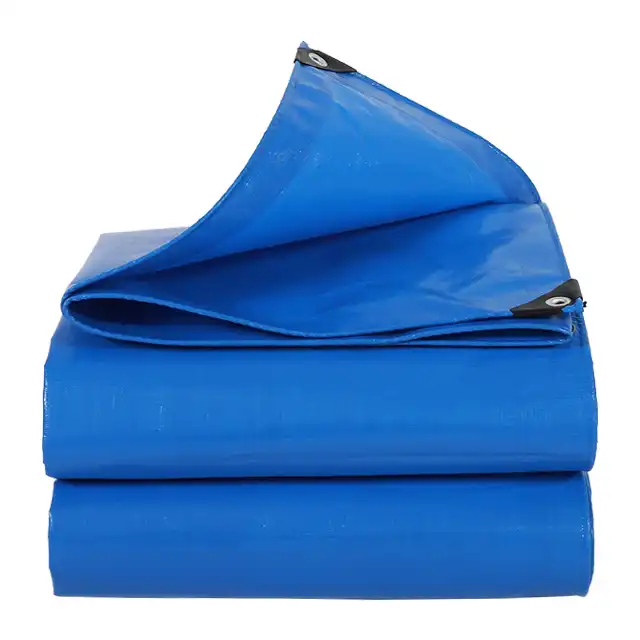
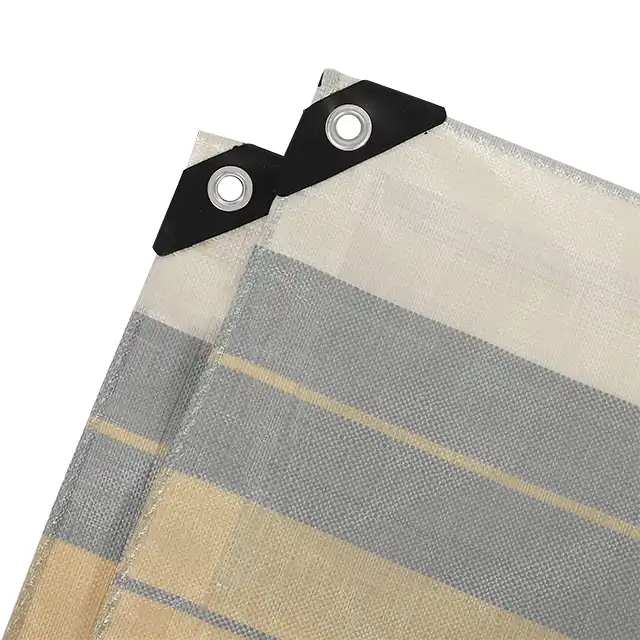
Material composition plays a significant role in determining both cost and performance characteristics. High-quality polyethylene tarps use virgin PE resin rather than recycled materials, resulting in superior flexibility and UV resistance. The weave count, typically ranging from 6×6 to 16×16, directly impacts strength and cost. Denier ratings between 600D and 1800D indicate fiber thickness and overall fabric quality. Higher denier fabrics command premium prices but offer extended service life in demanding applications. GSM (grams per square meter) measurements from 75 to 400 provide another quality indicator, with heavier fabrics generally offering better resistance to tears and punctures. Surface treatments significantly affect pricing structures. LDPE coating on both sides enhances waterproofing capabilities, while UV stabilizers extend outdoor service life. Fire-retardant treatments and antimicrobial coatings add specialized functionality but increase manufacturing costs accordingly. Cheap tarps often omit these advanced treatments to reduce initial cost, yet still provide adequate protection for short-term or light-duty applications. Edge finishing quality distinguishes premium products from basic options. Heat-sealed edges prevent fraying and maintain structural integrity under stress. Reinforced grommets, typically spaced at regular intervals, provide secure attachment points without compromising fabric strength.
Top Manufacturing Regions and Their Specialties
Shandong Province leads Chinese tarpaulin production, with Linyi serving as the primary manufacturing hub. This region specializes in PE tarps for construction, agriculture, and transportation applications. Local manufacturers benefit from proximity to petrochemical plants that supply raw materials at competitive prices. Facilities in this region typically operate advanced equipment, including 4.25-meter width water-jet looms and large coating machines capable of producing seamless fabrics up to 5 meters wide. This capability eliminates joints that often become failure points in finished products. Zhejiang Province focuses on specialized applications, including marine tarps and industrial fabrics. Manufacturers here emphasize custom materials with enhanced chemical resistance and specialized coatings. Production volumes tend to be smaller batches with customized specifications. Guangdong Province serves as the primary export center, with many producers maintaining sales offices and warehousing facilities near major ports. This location reduces shipping costs and travel times for international clients seeking efficient delivery schedules.
Direct vs. Trading Company Purchases
Purchasing directly from manufacturers offers significant cost advantages, often reducing prices by 15-30% compared to trading company arrangements. Direct connections also provide better quality control oversight and customization capabilities for specific applications. Manufacturing facilities like Linyi Shengde Plastic Co. maintain dedicated export offices with English-speaking staff experienced in international trade methods. These teams handle documentation, quality certificates, and shipping arrangements efficiently. Trading companies provide value through consolidated shipments and simplified ordering processes. They often maintain stock of standard specifications, enabling quicker delivery for urgent requirements. However, this convenience comes with additional markup that impacts overall project costs. Communication advantages exist with both approaches. Established manufacturers invest heavily in customer service capabilities, while trading companies specialize in bridging cultural and language gaps. The ideal choice depends on order volume, customization needs, and timeline constraints.
Quality Certifications to Look For
ISO 9001:2015 certification demonstrates comprehensive quality management systems covering all production aspects. Certified manufacturers implement documented procedures for fabric sourcing, production control, and final inspection protocols. This certification provides confidence in consistent product quality across order volumes. Third-party testing reports from recognized laboratories validate performance claims regarding tensile strength, tear resistance, and UV stability. Reliable manufacturers routinely conduct these tests and provide certificates with shipments. Look for reports from SGS, Intertek, or other internationally recognized testing organizations. International organization accreditations demonstrate adherence to quality and safety standards. Manufacturers working with organizations like UNHCR, IOM, ICRC, and UNICEF undergo thorough verification processes and maintain strict quality protocols. These organizations serve as strong indicators of manufacturing capability and reliability. Environmental compliance certificates are becoming increasingly important for global trade. Look for manufacturers that maintain proper waste management systems and environmental protection practices. These certifications often reflect more advanced operational standards overall.
Bulk Purchasing Strategies for Best Prices
Minimum arrange amounts ordinarily begin at 5 tons for most producers, with cost breaks happening at 10, 20, and 50-ton levels. Arranging buys around these edges maximizes cost effectiveness whereas guaranteeing satisfactory stock levels for continuous operations. Container stacking optimization essentially impacts per-unit costs. Standard 20-foot holders suit roughly 12 tons when pressed in parcels or 9 tons in carton bundling. High-cube 40-foot holders handle 25 tons (parcels) or 22 tons (cartons), advertising superior economies of scale. Seasonal estimating changes influence crude fabric costs and plant capacity. Crest request periods ordinarily happen amid spring development seasons and pre-hurricane arrangements. Arranging buys amid off-peak periods can abdicate 10-15% cost savings. Long-term understandings with producers give cost steadiness and need generation planning. These courses of action regularly incorporate volume commitments in trade for ensured estimating and conveyance openings amid high-demand periods. Cheap tarps may be considered for bulk purchases when the primary concern is cost-saving, but they may lack some of the premium features offered by higher-end products.
Common Pitfalls to Avoid When Sourcing
Focusing exclusively on price while ignoring quality specifications often results in premature failures and replacement costs that exceed initial savings. Establish clear minimum standards for tensile strength, UV resistance, and waterproofing before comparing supplier proposals.Inadequate sampling procedures can lead to significant disappointments upon delivery. Always request samples that represent actual production materials and specifications. Compare samples from multiple suppliers under identical testing conditions.Overlooking production capacity and delivery capabilities can disrupt project schedules. Verify manufacturer capacity through facility tours or detailed capacity documentation. Ensure production schedules accommodate your delivery requirements without compromising quality.Payment term negotiations require careful consideration of risk versus cost savings. While advance payments may secure better pricing, they increase financial exposure. Balance payment structures with supplier credibility and track record.
Evaluating Supplier Reliability and Service
Track record evaluation should encompass both domestic Chinese market performance and international export experience. Manufacturers with strong domestic reputations typically maintain consistent quality standards across all markets. Export experience indicates familiarity with international quality expectations and shipping procedures. Production facility assessment reveals manufacturing capabilities and quality control systems. Modern facilities with advanced equipment typically produce more consistent results. Look for clean, organized operations with visible quality control procedures and testing equipment. Customer service capabilities directly impact order execution and problem resolution. Evaluate response times, technical knowledge, and willingness to provide detailed product information. Strong customer service teams facilitate smooth transactions and ongoing relationship management. Financial stability indicators include registered capital, facility ownership, and business longevity. Companies like Linyi Shengde Plastic Co., with RMB 80 million registered capital and 20+ years of operation, demonstrate financial stability and commitment to long-term business relationships. Cheap tarps suppliers may offer lower prices but should also be evaluated carefully for reliability, as cost-cutting can sometimes affect overall service and product quality.
Conclusion
Sourcing quality tarps at competitive prices in China requires understanding manufacturing landscapes, quality indicators, and supplier evaluation criteria. Direct manufacturer relationships typically offer the best value combination, particularly with established companies maintaining international partnerships and quality certifications. Focus on total cost of ownership rather than initial purchase price, considering factors like durability, service life, and supplier reliability. Proper due diligence during supplier selection pays dividends through consistent product quality, reliable delivery schedules, and responsive customer service throughout ongoing business relationships.
Partner with SENDOW TARPAULIN for Premium PE Solutions
SENDOW TARPAULIN combines two decades of manufacturing excellence with competitive pricing for businesses seeking reliable cheap tarps supplier partnerships. Our 60,000 square meter facility houses advanced production equipment including ultra-wide weaving machines and professional coating systems, ensuring consistent quality across all order volumes. Contact info@shengdetarp.com for customized quotations and technical specifications.
References
1. China Industrial Textile Industry Association Annual Report on PE Tarpaulin Manufacturing Trends and Market Analysis, 2023
2. International Organization for Migration Procurement Guidelines for Emergency Shelter Materials and Quality Standards, 2022
3. Polyethylene Tarpaulin Performance Standards and Testing Methods in Industrial Applications, Journal of Technical Textiles, 2023
4. Shandong Province Textile Manufacturing Industry Development Report and Export Statistics, 2023
5. Quality Management Systems Implementation in Chinese PE Tarpaulin Manufacturing, Industrial Quality Control Quarterly, 2022
6. Global Tarpaulin Market Analysis: Manufacturing Hubs, Cost Structures and Quality Benchmarks, International Trade Research Institute, 2023