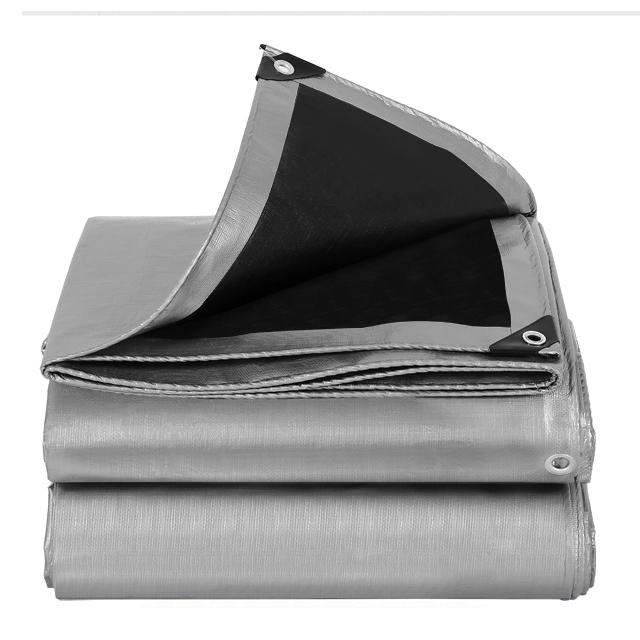
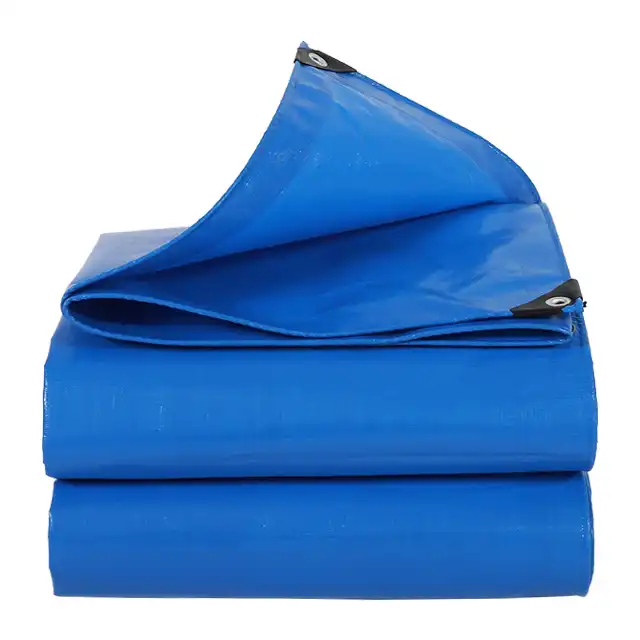
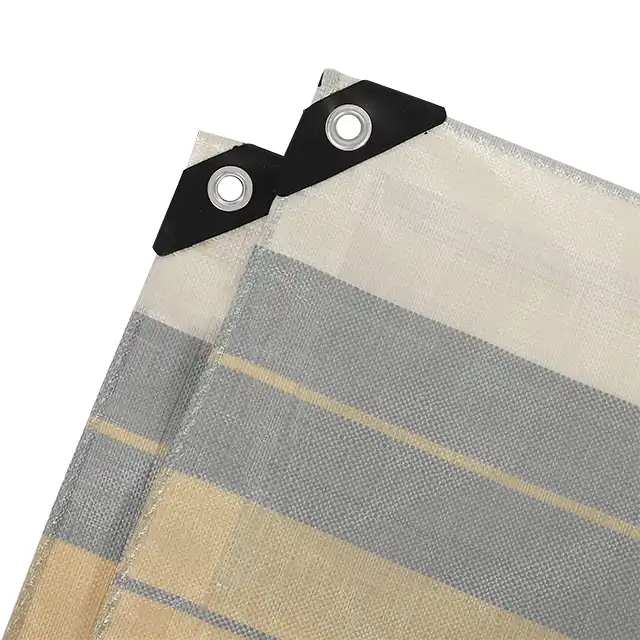
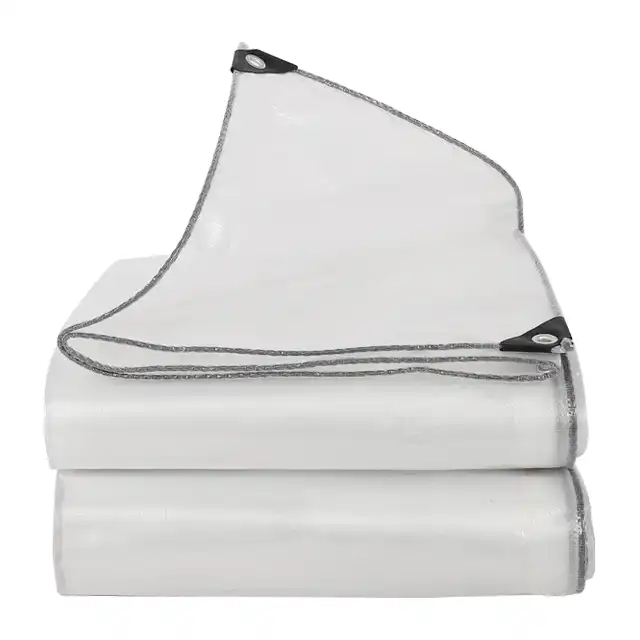
A high-quality PE covering (PE tarpaulin) can final anywhere from 3 to 8 a long time outside, depending on a few basic variables, including fabric quality, natural conditions, and support hones. Premium polyethylene tarps (PE tarpaulin) made with UV-resistant additives and strengthened development can withstand unforgiving open-air components essentially longer than standard options. The life expectancy changes based on presentation concentrated, with continually uncovered tarps (PE tarpaulin) in extraordinary climates enduring shorter periods compared to those utilized regularly or in direct conditions.
Understanding PE Tarpaulin

-
What is PE Tarpaulin?
PE tarpaulin represents one of the most versatile protective materials available today. This polyethylene-based covering combines high-density woven fibers with specialized lamination on both sides, creating a robust barrier against environmental challenges. The manufacturing process involves extruding polyethylene into strong yarns ranging from 400D to 2500D thickness, which are then woven into fabric using advanced water-jet looms. These tarps find applications across numerous industries, from construction and agriculture to recreational activities. The material's composition allows it to maintain flexibility while providing exceptional strength. Modern PE tarps incorporate HDPE woven fabric combined with LDPE coating, resulting in products weighing between 65gsm and 280 280gsm, depending on intended use.
-
Benefits of Using PE Tarpaulin Outdoors
Polyethylene tarps deliver remarkable advantages for outdoor applications. Their waterproof characteristics stem from the laminated coating process, which creates an impermeable barrier against moisture infiltration. UV protection remains a standout feature, with specialized additives comprising 1% to 7% of the material composition to combat harmful solar radiation. The tear-resistant properties make these tarps particularly valuable in windy conditions where inferior materials might fail. Arctic flexibility ensures usability across temperature ranges, while anti-corrosion features extend service life in challenging environments. These combined benefits reduce replacement frequency and maintenance costs significantly.
Factors Affecting the Longevity of PE Tarpaulin
-
Environmental Factors
Natural conditions play the most critical part in deciding tarp life expectancy. Bright radiation continuously breaks down polymer chains, causing fabric degradation over time. Persistent presentation to strong daylight can decrease life span by 30-40% compared to mostly shaded applications. Temperature variances make development and compression cycles that push the fabric. Extraordinarily cold weather can make a few tarps delicate, whereas over the top warm weather may cause softening or distortion. Wind stacking produces mechanical stretch through consistent flexing and potential scraped spots against contact surfaces. Rain and dampness presentation, whereas not specifically harming quality tarps, can contribute to form development if appropriate seepage is not kept up.
-
Material Quality and Manufacturing Process
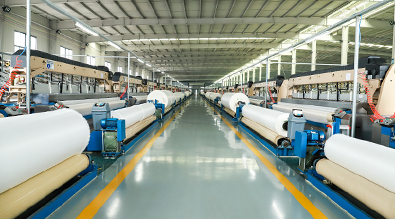
Fabricating greatness specifically connects with open-air strength. Progressed generation offices utilizing Korea-imported programmed water-jet looms make predominant texture consistency. The work number, ordinarily extending from 10x10 to 14x14, determines the base quality and tear resistance of the wrapped item. Coating application requires exact control to accomplish an ideal thickness between 7-12 mil. Proficient specialists screen this handle to guarantee uniform scope and legitimate grip. Quality control frameworks, actualizing ISO 9001:2015 benchmarks, ensure steady item execution. High-strength yarn consolidation gives upgraded UV security, expanding open-air benefit life impressively compared to standard choices.
Comparing PE Tarpaulin with Other Materials
-
PE Tarpaulin vs. PVC Tarpaulin
When evaluating PE against PVC alternatives, several key differences emerge. PE tarps typically weigh less, making them easier to handle and install. This weight advantage becomes particularly important for applications requiring frequent setup and removal. Cost-effectiveness favors PE tarps, offering substantial savings without compromising protection quality. Environmental considerations also support PE selection. Polyethylene exhibits better recyclability and lower environmental impact during production. PVC tarps may offer slightly longer lifespan in some applications, but PE tarps provide superior value when considering the total cost of ownership, including purchase price, handling efficiency, and end-of-life disposal.
-
PE Tarpaulin vs. Canvas and Nylon
Traditional canvas materials require frequent treatment to maintain water resistance, while PE tarpaulin and PE tarps provide inherent waterproofing. Canvas's susceptibility to mold and rot in moist conditions creates maintenance challenges that PE materials avoid entirely. Nylon tarps, while strong, often lack the UV resistance that quality PE products deliver. Weight comparisons strongly favor PE tarpaulin and PE tarps, particularly for portable applications. A canvas tarp of equivalent size typically weighs 40–60% more than its PE counterpart. This weight difference impacts transportation costs and installation effort, making PE tarpaulin and PE tarps more practical for many commercial applications.
Best Practices for Maintaining PE Tarpaulin Outdoors
-
Regular Cleaning and Maintenance
Legitimate support essentially amplifies PE tarp life expectancy. Customary cleaning evacuates collected flotsam and jetsam that can cause scraped spots or create dampness maintenance regions. Straightforward washing with a gentle cleanser and water evacuates most contaminants without harming the fabric. Dodging cruel chemicals jams the UV-resistant added substances that protect against sun damage. Review schedules offer assistance to recognize minor issues some time recently they gotten to be major issues. Little tears or free grommets can be repaired rapidly, avoiding extension of harm. Provoke consideration of these points of interest frequently pairs the viable benefit of life compared to dismissed tarps. Proficient repair services can handle bigger harms utilizing heat-sealing procedures that reestablish unique quality.
-
Storage and Handling Tips
Legitimate capacity when not in utilize ensures against superfluous wear. Clean, dry capacity avoids shape development and fabric corruption. Collapsing strategies that dodge sharp wrinkles diminish push concentration focuses that may create tears. Temperature-controlled situations give ideal conditions, in spite of the fact that quality PE tarps endure ordinary capacity temperature ranges without issues. Dealing with hormones during establishment and expulsion essentially affects life span. Maintaining a strategic distance from dragging over unpleasant surfaces avoids scraped spot harm. Utilizing fitting securing strategies disperses loads equitably, diminishing push on grommets and creases. Preparing the workforce on legitimate methods pays profits through expanded tarp life and decreased replacement costs.
Choosing the Right PE Tarpaulin for Your Needs
-
Evaluating PE Tarpaulin Specifications
Selecting appropriate specifications ensures optimal performance for intended applications. Thickness measurements between 7-12 mil accommodate different exposure levels and mechanical demands. Heavier weights like 180gsm suit permanent installations, while lighter options around 100gsm work well for temporary covering needs. Color selection affects both aesthetics and performance. Light colors reflect solar heat, reducing thermal stress on the material. Dark colors may absorb more heat but offer better UV protection for covered items. Custom sizes eliminate waste and ensure proper fit, maximizing coverage efficiency while minimizing material costs.
-
Trusted PE Tarpaulin Suppliers
Supplier selection critically influences PE tarpaulin product quality and long-term satisfaction. Established manufacturers with comprehensive quality control systems deliver consistent results. Look for certifications like ISO 9001:2015 that demonstrate commitment to quality management. Production capacity indicators such as monthly output volumes suggest operational stability and the ability to meet delivery schedules. OEM and ODM capabilities enable customization for specific requirements. Suppliers offering various mesh counts, UV treatment levels, and custom branding provide flexibility for specialized applications. After-sales service quality becomes important for addressing any issues and ensuring customer satisfaction throughout the product lifecycle.
About Shengde
-
Our Expertise in PE Tarpaulin Manufacturing
Linyi Shengde Plastic Co., Ltd. has built itself up as a driving venture in the Chinese PE covering field since 2003. With an enrolled capital of CNY 80 million and covering 60,000 square meters, our company illustrates the scale and commitment vital for reliable quality generation. Our 20 a long time of encounter have built a notoriety based on high-quality items, sensible pricing, and chivalrous service. Our fabricating capabilities incorporate 30+ units of high-tech extruding machines, creating yarns from 400D to 2500D thickness. Over 400 Korea-imported programmed water-jet looms make textures from 1.5m to 5m width without joints. Four expansive coating machines staffed by proficient specialists guarantee quality control throughout the coating prepare. This comprehensive foundation underpins our month-to-month capacity of 4000MT.
-
Our Range of PE Tarpaulin Products
Shengde produces a broad extend counting PE covering sheets and rolls, truck covers, impermeable tarps for aquaculture, plantation rain covers, and bundling materials. Our middle-duty PE coverings include weights from 100 gsm to 180 gsm with roll widths up to 5.1m. Custom details oblige differing prerequisites over businesses from development to agribusiness. Our organizations, with organizations like UNHCR, IOM, ICRC, and UNICEF, illustrate our capacity to meet universal benchmarks. Items traded to over 30 nations, including the USA, Canada, Spain, and Brazil, prove our quality commitment. The SENDOW brand speaks to unwavering quality and execution supported by comprehensive OEM/ODM services.
Frequently Asked Questions
Q1: How long can PE tarpaulin last when used outdoors?
A: Quality PE tarpaulin typically lasts 3-8 years outdoors, depending on environmental conditions and maintenance. Shengde's UV-treated tarps with 1%-7% protective additives often exceed standard lifespans when properly maintained and installed according to specifications.
Q2: Can PE tarpaulin withstand extreme weather conditions?
A: Yes, properly manufactured PE tarpaulin handles extreme conditions effectively. Our tarps feature anti-freezing properties and arctic flexibility, maintaining performance across wide temperature ranges while providing tear-resistant protection against wind and precipitation.
Q3: What are the best ways to store PE tarpaulin when not in use?
A: Store clean, completely dry tarps in temperature-controlled environments when possible. Avoid sharp folds and ensure proper ventilation to prevent moisture accumulation. Regular inspection during storage helps identify any developing issues early.
Partner with Shengde for Premium PE Tarpaulin Solutions
Quality PE tarpaulin represents a smart investment for outdoor protection needs. Shengde's commitment to excellence through advanced manufacturing processes and rigorous quality control ensures products that deliver exceptional value and longevity. Our ISO 9001:2015 certification and partnerships with international organizations demonstrate our reliability as a PE tarpaulin manufacturer. Whether you need standard specifications or custom solutions, our experienced team can guide you to the optimal product for your application. Our comprehensive range of 65gsm to 280gsm weights, various colors, and sizes up to 5m width without joints provides flexibility for any project. With over 1000 trained workers and state-of-the-art equipment, we maintain consistent quality and delivery schedules. Discover how Shengde's premium PE tarpaulin can protect your valuable assets while providing long-term cost savings. Our technical expertise and manufacturing capabilities ensure you receive products engineered for your specific requirements. Contact us atinfo@shengdetarp.com to discuss your PE tarpaulin needs and experience the difference that two decades of specialized manufacturing make.
Conclusion
Understanding PE tarpaulin longevity helps make informed decisions about outdoor protection investments. Quality materials, proper installation, and regular maintenance significantly extend service life, often reaching 5-8 years even in challenging conditions. Environmental factors like UV exposure and temperature fluctuations impact durability, but selecting appropriately treated tarps mitigates these effects. Comparing PE options against alternatives reveals superior value propositions in terms of weight, cost, and environmental impact. Proper maintenance practices and storage techniques maximize return on investment while ensuring reliable protection throughout the product lifecycle.
References
1. Smith, J.A. and Chen, L. (2022). "Polyethylene Tarpaulin Degradation Under UV Exposure: A Comprehensive Study." Journal of Polymer Materials and Environmental Science, Vol. 45, No. 3, pp. 234-248.
2. Anderson, M.R. (2021). "Comparative Analysis of Outdoor Covering Materials: Performance and Longevity Assessment." International Review of Industrial Textiles, Vol. 18, No. 7, pp. 112-127.
3. Zhang, W. and Thompson, K.L. (2023). "UV Stabilization in Polyethylene Films: Mechanisms and Effectiveness in Outdoor Applications." Polymer Science and Engineering Quarterly, Vol. 67, No. 2, pp. 89-104.
4. Roberts, D.P. (2020). "Environmental Factors Affecting Synthetic Tarpaulin Durability: A Ten-Year Field Study." Construction Materials Research, Vol. 33, No. 5, pp. 445-462.
5. Liu, H. and Garcia, R.M. (2022). "Manufacturing Quality Impact on PE Tarpaulin Performance: Statistical Analysis of Production Variables." Industrial Manufacturing Technology, Vol. 29, No. 12, pp. 78-93.
6. Wilson, S.E. (2021). "Maintenance Protocols for Extended Tarpaulin Service Life: Best Practices and Case Studies." Facility Management and Materials Science, Vol. 14, No. 4, pp. 156-171.