How to Clean and Maintain Your Tarpaulin?
Picture this: after months of protecting your valuable equipment or outdoor furniture, your trusted tarpaulin is covered in dirt, mildew, and stains. Without proper cleaning and maintenance, this essential protective cover could deteriorate rapidly, leaving your investments vulnerable to harsh weather conditions. Understanding how to properly clean and maintain your tarpaulin is crucial for maximizing its lifespan and ensuring reliable protection for years to come.
Understanding Different Tarpaulin Materials and Their Cleaning Requirements
-
PE Tarpaulin Characteristics and Care Needs
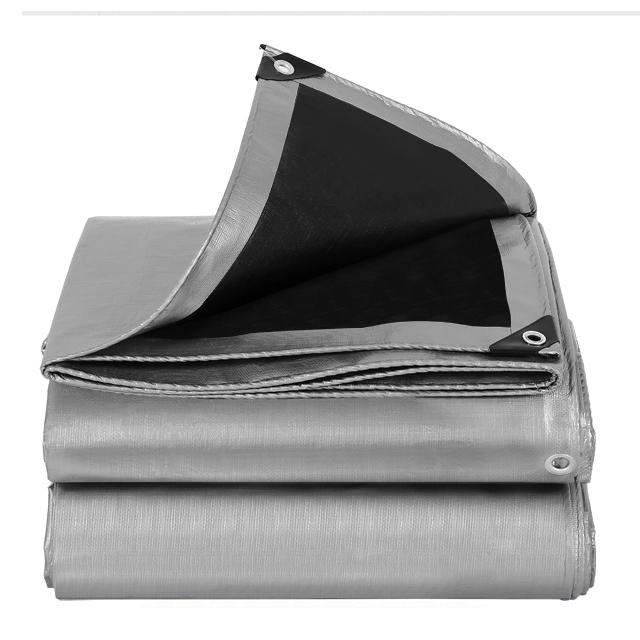
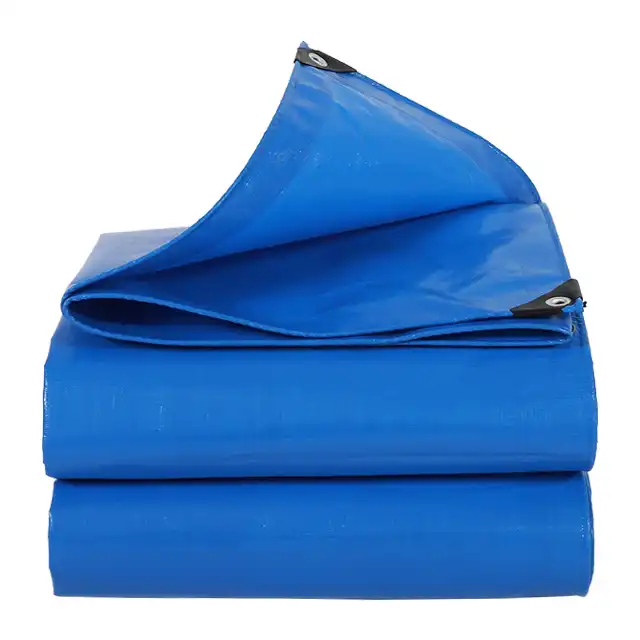
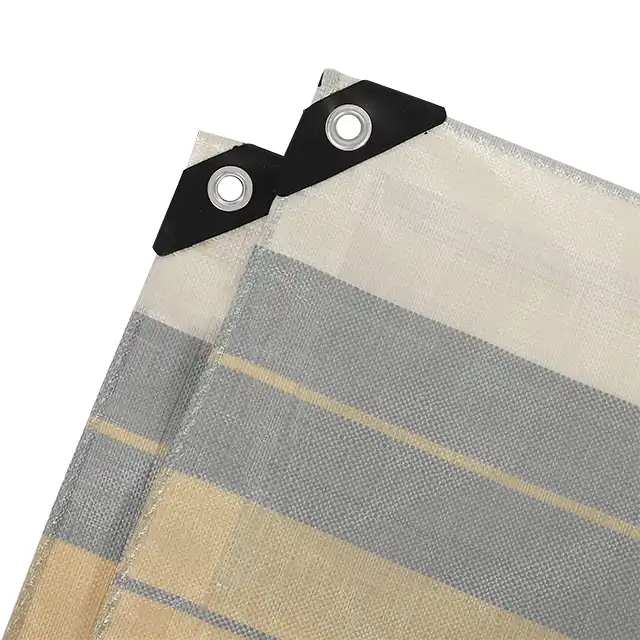
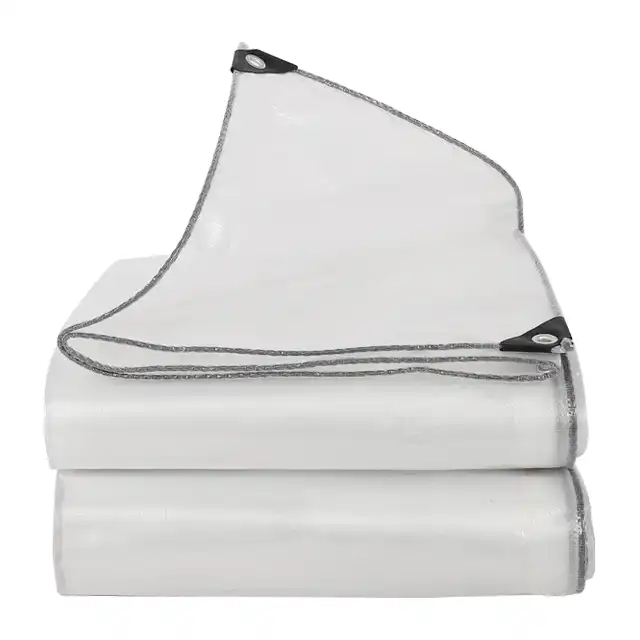
Polyethylene (PE) tarpaulins represent the most common type of protective covering in today's market, featuring HDPE woven fabric combined with LDPE coating for superior durability. These middle-duty poly tarps, typically ranging from 180gsm to 250gsm in weight, offer exceptional waterproof capabilities due to their solid polyethylene coating structure. The unique composition of PE tarpaulin makes it naturally mildew-proof, tear-resistant, and acid-resistant, distinguishing it significantly from traditional canvas alternatives. Unlike canvas tarps, PE materials maintain arctic flexibility, allowing them to withstand freezing temperatures without becoming hardened or brittle. This remarkable characteristic makes PE tarpaulin ideal for year-round outdoor applications, from construction sites to agricultural operations. The polyethylene structure of these tarps requires specific cleaning approaches to maintain their integrity and performance. Heavy-duty tarpaulin with features like 100% waterproof coating, UV treatment ranging from 1% to 7%, and tear-resistant properties demands gentle yet effective cleaning methods. Professional-grade PE tarpaulin often includes built-in grommets along the perimeter, which also require special attention during the cleaning process to prevent damage or corrosion.
-
Canvas vs. Synthetic Material Maintenance Differences
Canvas tarpaulins, whether treated or untreated, require distinctly different maintenance approaches compared to their synthetic counterparts. Untreated canvas tarps offer the advantage of machine washability, allowing for thorough cleaning with gentle laundry detergents in standard washing machines. However, treated canvas materials often require specialized care to preserve their protective coatings and water-resistant properties. The natural fiber composition of canvas makes it more susceptible to mold and mildew growth, particularly in humid environments or when stored improperly. Synthetic tarpaulin materials, including vinyl, PVC, and polyethylene varieties, resist biological growth more effectively but require careful handling to prevent surface damage. These materials often feature specialized coatings that can be compromised by harsh cleaning chemicals or abrasive cleaning tools. Understanding the specific material composition of your tarpaulin is essential for selecting appropriate cleaning methods and maintaining optimal performance throughout its service life.
Essential Pre-Cleaning Preparation for Tarpaulin Maintenance
-
Safety Precautions and Equipment Setup
Before beginning any tarpaulin cleaning process, establishing proper safety protocols protects both the cleaner and the tarp material itself. Personal protective equipment, including chemical-resistant gloves and safety eyewear, prevents exposure to cleaning solutions and potential debris that may have accumulated on the tarp surface. These precautions become particularly important when dealing with tarps that have been exposed to industrial environments or harsh weather conditions for extended periods. Creating an appropriate workspace for tarpaulin cleaning requires adequate ventilation and sufficient space to fully spread the material. Outdoor cleaning areas provide optimal conditions, allowing for thorough rinsing and natural drying processes. When indoor cleaning becomes necessary, ensure proper ventilation to prevent chemical buildup and facilitate complete drying. The cleaning surface should be clean and free from sharp objects or rough textures that could damage the tarp during the cleaning process.
-
Initial Inspection and Debris Removal
Conducting a comprehensive inspection before cleaning reveals potential damage areas that require special attention or repair before washing. Look for tears, holes, or weakened areas in the tarpaulin fabric that might worsen during the cleaning process. Identify any areas with heavy staining, mildew growth, or accumulated debris that may require targeted treatment approaches. This preliminary assessment helps determine the appropriate cleaning intensity and method for your specific tarp condition. Physical debris removal represents the crucial first step in effective tarpaulin cleaning. Using a soft brush or broom, gently remove loose dirt, leaves, and other surface contaminants. For stubborn debris, a plastic scraper can help dislodge materials without damaging the tarp surface. This initial cleaning step prevents debris from spreading during the washing process and ensures more effective penetration of cleaning solutions into stained or soiled areas.
Step-by-Step Tarpaulin Cleaning Process
-
Basic Washing Techniques for Standard Soiling
The foundation of effective tarpaulin cleaning begins with thorough rinsing using a garden hose or pressure washer on low setting. This initial rinse removes surface dirt and prepares the material for deeper cleaning. The water pressure should be sufficient to dislodge loose contaminants but gentle enough to avoid damaging the tarp's protective coating or fabric structure. Pay particular attention to seams, grommets, and areas where debris typically accumulates. Following the initial rinse, prepare a cleaning solution using mild soap or detergent diluted in warm water. Avoid harsh chemicals or abrasive cleaners that can compromise the tarp's protective properties. Using a soft brush or cloth, work the cleaning solution across the entire tarp surface, paying extra attention to heavily soiled areas. The cleaning motion should follow the fabric weave pattern when possible, preventing damage to the material structure. For large tarps, work in manageable sections to ensure thorough coverage and prevent the cleaning solution from drying before rinsing.
-
Advanced Cleaning Methods for Heavy Staining and Mildew
When standard cleaning methods prove insufficient for heavily stained or mildewed tarpaulins, advanced techniques using specialized solutions become necessary. A mixture of white vinegar and water, typically in a 1:1 ratio, provides effective mildew removal while remaining gentle on most tarp materials. This natural solution penetrates mildew growth and helps eliminate both the visible staining and underlying spores that could cause future problems. For persistent stains that resist vinegar treatment, a diluted bleach solution (1 part bleach to 10 parts water) may be necessary for synthetic tarpaulins. However, this approach requires extreme caution, as bleach can damage certain materials and compromise protective coatings. Always test any bleach solution on a small, inconspicuous area first, and never use bleach on canvas or treated materials unless specifically recommended by the manufacturer. After applying any advanced cleaning solution, allow adequate contact time for the treatment to work effectively, typically 10-15 minutes for most applications.
-
Proper Rinsing and Drying Procedures
Thorough rinsing represents one of the most critical aspects of tarpaulin maintenance, as soap residue can attract dirt and compromise the material's performance. Multiple rinse cycles ensure complete removal of all cleaning solutions and loosened contaminants. Use clean, fresh water for rinsing, and continue until the rinse water runs completely clear. Pay special attention to seams, folds, and grommet areas where soap and debris tend to accumulate. The drying process requires careful attention to prevent damage and ensure complete moisture removal. Spread the tarpaulin completely flat in a shaded area with good air circulation, avoiding direct sunlight that can cause UV damage to some materials. For large tarps, periodic repositioning helps ensure even drying and prevents water pooling in low areas. The tarp must be completely dry before storage, as even minimal moisture can lead to mildew growth, material degradation, and unpleasant odors.
Long-Term Tarpaulin Storage and Preservation
-
Optimal Storage Conditions and Environment
Proper storage conditions dramatically impact tarpaulin longevity and performance over time. The storage environment should maintain consistent temperature and humidity levels, avoiding extreme fluctuations that can stress the material and cause premature deterioration. Ideal storage areas remain dry, well-ventilated, and protected from direct sunlight, which can degrade protective coatings and fade colors over extended periods. Temperature control plays a crucial role in maintaining tarp flexibility and preventing material brittleness. Storage areas should avoid freezing temperatures for extended periods, even though quality PE tarpaulins feature arctic flexibility designed to withstand cold conditions. Similarly, excessive heat can soften adhesives, compromise coatings, and accelerate material aging. A climate-controlled environment provides optimal conditions, but well-ventilated sheds, garages, or storage buildings can offer adequate protection when properly managed.
-
Folding and Handling Techniques to Prevent Damage
Proper folding techniques prevent stress concentration and extend tarpaulin service life significantly. Begin by ensuring the tarp is completely clean and thoroughly dry, as folding damp or dirty material can cause permanent staining, mildew growth, or material damage. Large tarps benefit from two-person handling to prevent dragging and maintain control throughout the folding process. The folding method should minimize sharp creases and distribute stress evenly across the material. Start by bringing opposite edges together, creating gentle folds rather than sharp creases that can weaken the material over time. For particularly large or heavy tarps, consider rolling the material around a large tube or pole rather than folding, as this approach eliminates stress concentration points entirely. When folding becomes necessary, alternate the fold directions to prevent permanent creasing in the same locations repeatedly.
Troubleshooting Common Tarpaulin Problems
-
Addressing Mold, Mildew, and Odor Issues
Mold and mildew problems typically arise from improper drying or storage in humid conditions, creating both aesthetic and functional challenges for tarpaulin users. Early detection allows for effective treatment using natural solutions like white vinegar, which penetrates organic growth and eliminates both visible staining and underlying spores. For established mildew problems, create a treatment solution using equal parts white vinegar and water, applying it generously to affected areas and allowing 15-20 minutes of contact time before scrubbing and rinsing. Persistent odor issues often accompany mold and mildew growth, requiring comprehensive treatment to eliminate both the source and lingering smells. Baking soda paste, made by mixing baking soda with small amounts of water, provides natural deodorizing properties while gently abrading surface contaminants. Apply the paste to odorous areas, work it into the material using a soft brush, and allow it to dry completely before brushing away the residue and rinsing thoroughly. For severe odor problems, multiple treatments may be necessary to achieve complete elimination.
-
Repair Techniques for Damaged Areas
Minor tears and punctures in tarpaulin material can often be repaired effectively using appropriate patching materials and techniques. PE tarpaulin repairs typically require vinyl patches or specialized tarp repair tape designed to bond with polyethylene materials. Clean the damaged area thoroughly, ensure complete dryness, and apply the patch according to manufacturer instructions, typically allowing 24-48 hours for full adhesion before returning the tarp to service. Seam repairs represent more complex challenges that may require professional attention or replacement consideration. However, minor seam separation can sometimes be addressed using fabric adhesives or specialized repair tapes designed for the specific tarp material. When attempting seam repairs, ensure the damaged area is completely clean and dry, apply the repair material generously to ensure complete coverage, and allow extended curing time to achieve maximum bond strength.
Conclusion
Proper tarpaulin cleaning and maintenance significantly extends service life while maintaining protective performance. Regular cleaning, appropriate storage, and prompt repairs ensure reliable protection for years.
Cooperate with Linyi Shengde Plastic Co., Ltd.
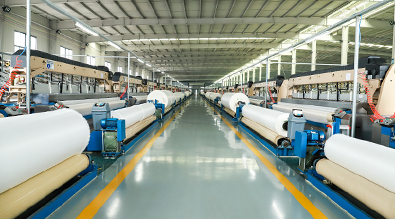
As a leading China tarpaulin manufacturer established in 2003, Linyi Shengde Plastic Co., Ltd. combines two decades of expertise with cutting-edge technology to deliver high quality tarpaulin solutions. Our comprehensive manufacturing capabilities include 400+ Korea-imported automatic water-jet looms and advanced coating machines, enabling production of superior PE tarpaulin products from 100gsm to 250gsm weights. As a trusted China tarpaulin supplier with ISO 9001:2015 certification, we serve over 30 countries worldwide, partnering with prestigious organizations like UNHCR, IOM, ICRC, and UNICEF. Our China tarpaulin wholesale operation offers competitive tarpaulin price points without compromising quality, making us the preferred China tarpaulin factory for businesses seeking reliable protective solutions. Whether you need standard dimensions or custom specifications, our tarpaulin for sale includes truck covers, aquaculture tarps, and specialized applications. Contact our expert team at info@shengdetarp.com for personalized solutions that meet your specific requirements and experience why thousands of clients trust Shengde for their tarpaulin needs.
FAQ
Q: How often should I clean my tarpaulin?
A: Clean your tarpaulin every 2-3 months during active use, or immediately after exposure to harsh conditions like storms or industrial environments.
Q: Can I use bleach to clean my PE tarpaulin?
A: Use diluted bleach (1:10 ratio) sparingly on synthetic tarpaulins only after testing on a small area, never on canvas materials.
Q: What's the most important rule for tarpaulin storage?
A: Always ensure your tarpaulin is completely dry before folding and storing to prevent mold, mildew, and material degradation.
Q: How can I prevent mildew growth on my tarpaulin?
A: Maintain proper ventilation during use, clean regularly with mild soap, and store in dry, well-ventilated areas away from humidity.
References
1. "Tarpaulin Care and Maintenance Guidelines" - Industrial Textile Association Technical Manual
2. "Polyethylene Fabric Cleaning Protocols" - Synthetic Materials Research Institute
3. "Protective Covering Longevity Studies" - Dr. Sarah Mitchell, Materials Science Journal
4. "Canvas and Synthetic Tarp Maintenance Best Practices" - Professional Covering Solutions Handbook