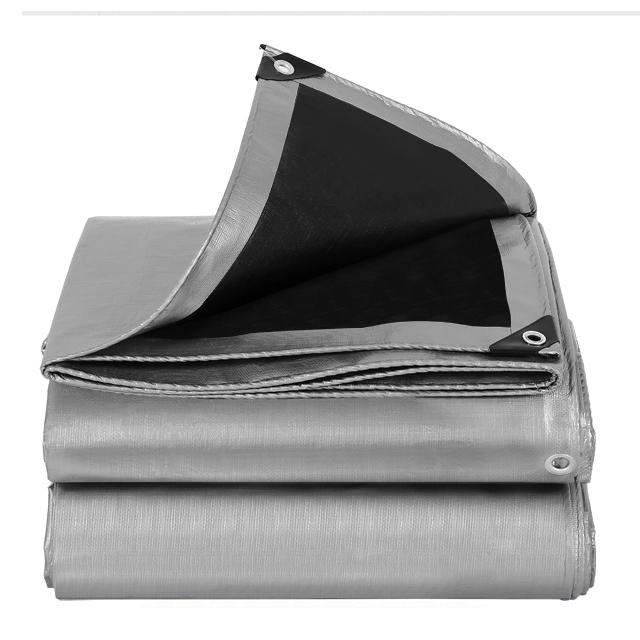
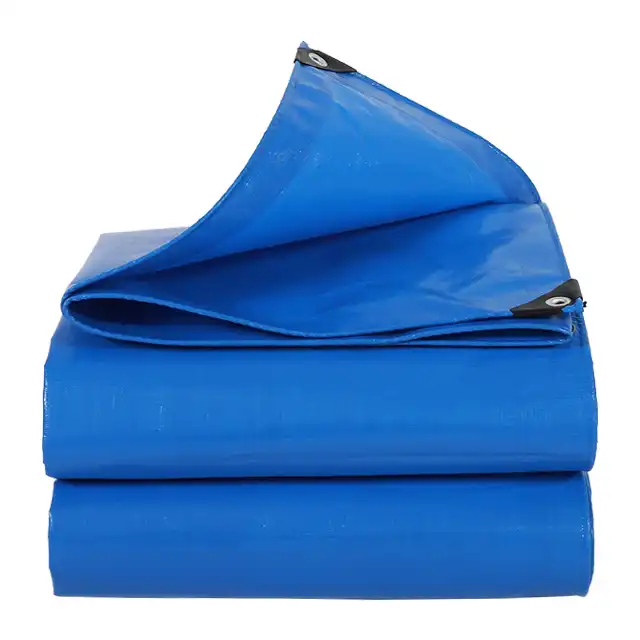
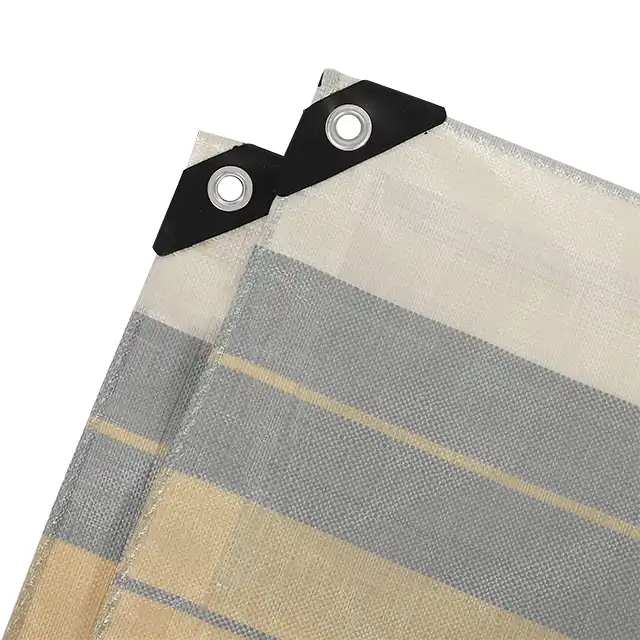
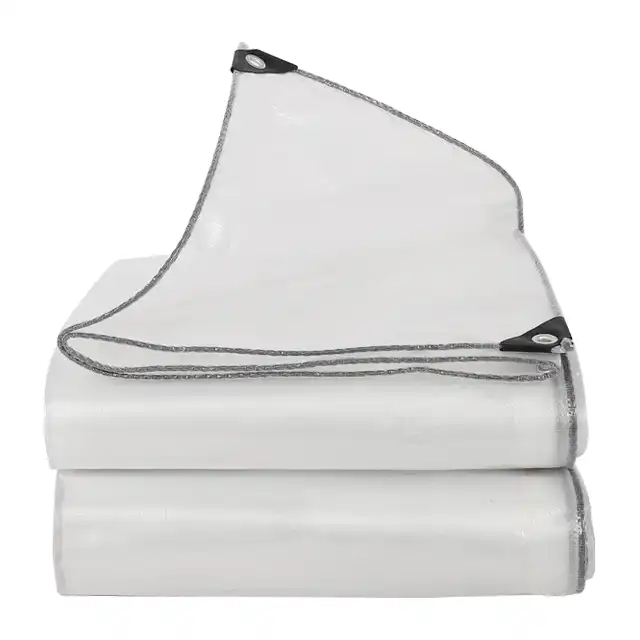
What is PE tarpaulin, and where is it used? PE tarpaulin, short for polyethylene tarpaulin, represents one of the most versatile and widely used protective covering materials in today's market. This waterproof, durable fabric serves countless applications across industries ranging from construction and agriculture to camping and emergency relief. Made from woven polyethylene fibers with specialized coatings, PE tarpaulins deliver exceptional protection against weather elements while maintaining affordability and ease of use. Understanding the scope of PE tarpaulin applications helps businesses and individuals make informed decisions about protective covering solutions for their specific needs.
Understanding PE Tarpaulin: Material Composition and Manufacturing
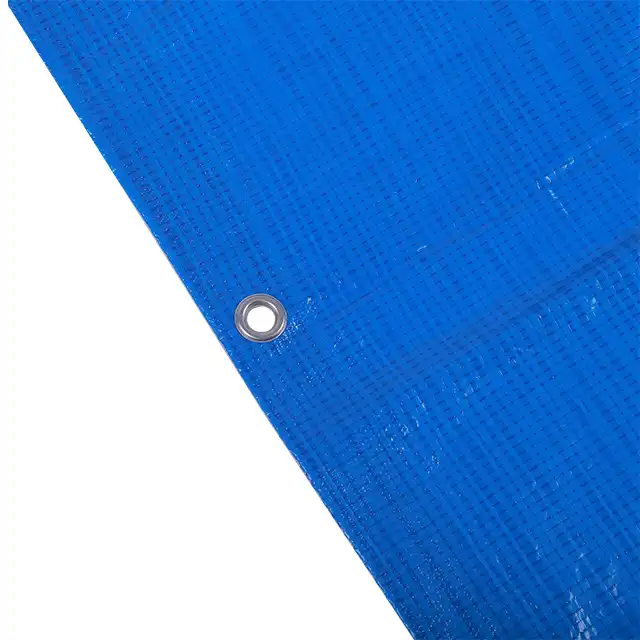
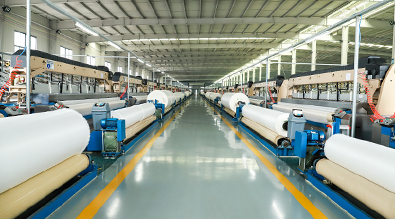
PE covering comprises high-density polyethylene (HDPE) filaments woven into a solid texture base, at then coated with low-density polyethylene (LDPE) on both sides. This dual-layer development makes a boundary that combines adaptability with surprising quality. The weaving process includes drawing polyethylene yarns extending from 400D to 2500D thickness through progressive water-jet looms, making different work checks from 10x10 to 14x14, depending on the intended applications. Advanced fabricating procedures guarantee steady quality over distinctive weights, regularly extending from 65gsm to 280gsm. The coating handle includes applying LDPE layers beneath controlled temperature and weight conditions, making consistent waterproof obstructions. UV stabilizers are incorporated during manufacturing, giving security against destructive UV radiation that would otherwise cause degradation and color fading. Progressed offices utilize Korea-imported programmed water-jet looms and specialized coating machines to accomplish texture widths up to 5 meters without joints. Quality control measures all through the generation guarantee that each covering meets strict strength benchmarks. Heat-sealing methods make fortified edges and grommets, empowering secure connection focuses for different mounting frameworks. The coming about item illustrates surprising tear resistance, ice adaptability, and anti-corrosion properties fundamental for demanding open-air applications.
Essential Problems PE Tarpaulin Solves
Weather protection remains the primary challenge PE tarpaulin addresses across multiple industries. Rain, snow, UV radiation, and wind can cause significant damage to equipment, materials, and structures when left exposed. Traditional covering materials often fail under extreme conditions, leading to costly replacements and potential damage to protected items. PE tarpaulin provides reliable barrier protection that withstands harsh environmental conditions while maintaining structural integrity over extended periods. Cost-effectiveness presents another critical factor driving PE tarpaulin adoption. Many protective covering solutions require substantial investments with limited versatility. PE tarpaulin offers multi-purpose functionality at reasonable prices, enabling businesses to standardize their covering materials across different applications. This versatility reduces inventory complexity while ensuring consistent protection standards. Emergency preparedness scenarios demand immediate access to reliable shelter and protection materials. Natural disasters, humanitarian crises, and temporary construction projects require covering solutions that deploy quickly and perform reliably under stress. PE tarpaulin's lightweight yet durable design makes it ideal for emergency response situations where rapid deployment and dependable performance save lives and property. Transportation and storage challenges benefit significantly from PE tarpaulin solutions. Cargo protection during shipping requires materials that resist punctures, tears, and weather infiltration while remaining easy to handle and secure. The reinforced construction and flexible nature of quality PE tarpaulin enable efficient load covering and uncovering procedures without compromising protection levels.
Core Features and Advanced Functionality
Waterproof performance stands as the cornerstone feature of quality PE tarpaulin. The dual-layer polyethylene coating creates an impermeable barrier, preventing water penetration while allowing controlled flexibility. This waterproof capability extends beyond simple rain protection to include resistance against ground moisture, condensation, and even chemical exposure in industrial settings. Laboratory testing confirms 100% waterproof performance under standard pressure conditions. UV resistance technology incorporates specialized stabilizers during the manufacturing process, typically ranging from 1% to 7% concentration depending on intended exposure levels. These additives prevent polymer chain breakdown caused by ultraviolet radiation, significantly extending service life in outdoor applications. Enhanced UV protection maintains color stability and prevents brittleness that compromises tarpaulin integrity over time. Tear resistance results from the tight weaving pattern and high-strength yarn construction. The interlocked polyethylene fibers distribute stress loads across the fabric structure, preventing small punctures from propagating into large tears. Reinforced edges and heat-sealed seams provide additional strength at critical stress points where attachment hardware creates concentrated loads. Temperature flexibility enables PE tarpaulin performance across extreme climate conditions. Arctic flexibility testing demonstrates continued pliability at temperatures well below freezing, while heat resistance maintains structural integrity under intense summer conditions. This temperature stability ensures reliable deployment and handling regardless of seasonal variations or geographic location. Anti-freeze and shrink-proof properties prevent dimensional changes that could compromise fit and coverage. The polyethylene material maintains consistent dimensions across temperature fluctuations, ensuring secure attachment points remain properly positioned. This stability proves essential for long-term installations where seasonal temperature variations might otherwise affect coverage integrity.
Advanced Manufacturing Technology and Quality Assurance
State-of-the-art expulsion innovation makes steady yarn quality utilizing high-tech machines that absolutely control fiber thickness and diameter. Over 30 units of progressed extruding gear empower the generation of different yarn determinations custom-made to particular execution necessities. Computer-controlled frameworks screen temperature, weight, and bolster rates to guarantee uniform fabric properties throughout each generation run. Texture weaving utilizes special wide-width machines capable of creating consistent materials up to 5 meters wide. This capability dispenses with powerless joints that ordinarily compromise coverage accuracy in large-scale applications. Korea-imported programmed water-jet looms give prevalent weaving accuracy and consistency compared to conventional weaving frameworks, resulting in more tightly work designs and progressed tear resistance. Proficient coating application includes specialized machines working beneath strict natural controls. Four huge coating units, each with progressed 4.4-meter-wide frameworks, apply LDPE layers with exact thickness control. Experienced professionals screen coating parameters persistently, guaranteeing ideal grip and uniform thickness over the whole texture width. Quality checkpoints all through the process confirm coating astuteness and identify potential surrenders some time recently last handling. Heat-sealing innovation makes fortified edges and connection focuses utilizing industrial-grade hardware. Seven generations of lines prepared with enormous heat-sealing machines handle wrapped items according to the client's details. This capability empowers custom measuring, support designs, and strength highlights custom-made to particular application requirements. Over 1000 prepared laborers guarantee that day by day yield surpasses 100 tons while maintaining steady quality benchmarks.
Key Advantages and Competitive Benefits
Superior durability distinguishes quality PE tarpaulin from competing materials through extended service life and reliable performance. The combination of high-density weaving and dual-layer coating creates exceptional resistance to punctures, tears, and environmental degradation. Field testing demonstrates service life extending several years under typical outdoor conditions, providing excellent return on investment compared to frequent replacement of inferior materials. Lightweight portability enables easy handling and installation without requiring heavy equipment or multiple personnel. Despite robust construction, PE tarpaulin maintains manageable weight characteristics that facilitate rapid deployment in emergencies or frequent repositioning in dynamic work environments. This portability advantage proves valuable for contractors, farmers, and emergency responders who need efficient coverage solutions. Chemical resistance properties protect against exposure to oils, mild acids, and agricultural chemicals commonly encountered in industrial and farming applications. The polyethylene material demonstrates excellent compatibility with various substances, preventing degradation that might compromise protective performance. This chemical stability extends useful life in challenging environments where other materials quickly deteriorate. Cost-effectiveness delivers exceptional value through a combination of reasonable pricing and extended service life. Volume production capabilities and efficient manufacturing processes enable competitive pricing without sacrificing quality standards. The multi-purpose nature reduces total covering material inventory requirements while providing consistent performance across diverse applications. Customization flexibility accommodates specific requirements through adjustable dimensions, colors, and performance characteristics. Manufacturing capabilities support custom orders ranging from small specialty items to large-scale commercial installations. This adaptability ensures optimal fit and performance for unique applications where standard products might prove inadequate.
Understanding Limitations and Practical Considerations
Temperature extremes can influence PE covering execution in spite of progressed definitions planned for climate strength. Drawn out introduction to temperatures surpassing 180°F may cause softening and dimensional changes, whereas extraordinary cold below -40°F can diminish adaptability briefly. Clients ought to consider application temperature ranges when selecting fitting PE covering determinations and installation strategies. Sharp question introduction presents continuous dangers in spite of tear-resistant development. Whereas PE covering stands up to punctures superior to numerous choices, coordinate contact with sharp edges, apparatuses, or flotsam and jetsam can cause harm requiring repair or substitution. Appropriate establishment methods and defensive measures offer assistance to minimize cut dangers in high-hazard situations. Wind stacking calculations have become basic for expansive establishments where inadequate securing seems to result in auxiliary stress or relocation. PE tarpaulin's lightweight nature, whereas beneficial for dealing with, requires satisfactory securing frameworks to avoid wind-induced development. Designing an examination may be fundamental for lasting establishments in high-wind areas. Capacity necessities incorporate security from rodents and sharp objects that might compromise fabric judgment, sometimes previously arranged. Legitimate collapsing methods anticipate lasting wrinkles that might cause weak points, whereas clean, dry capacity avoids contamination that might influence execution. Standard assessment plans offer assistance in recognizing potential issues; sometimes, they compromise field execution. Natural transfer contemplations include capable taking care of of polyethylene materials at the end of the service life. Whereas PE covering gives great solidness and life span, possible substitution requires fitting reusing or transfer strategies, consistent with neighborhood environmental controls. A few producers offer take-back programs for large-volume clients looking for economical fabric administration arrangements.
Target Applications and Ideal Use Cases
Construction industry applications encompass temporary roof protection, equipment covers, and debris containment systems where reliable weather protection proves essential. PE tarpaulin provides cost-effective solutions for protecting building materials, covering incomplete structures, and creating temporary work shelters. The tear-resistant properties withstand construction site hazards while maintaining protective integrity throughout the project duration. Agricultural applications include crop protection, hay covers, livestock shelters, and aquaculture pond liners, where weather resistance and chemical compatibility ensure optimal performance. Farmers rely on PE tarpaulin for protecting harvested crops from moisture damage, creating temporary storage areas, and providing livestock wind protection. The UV-resistant formulation maintains effectiveness under constant sun exposure typical in agricultural settings. Transportation industry usage covers cargo protection, truck covers, and equipment shields, where secure attachment and weather protection prevent damage during shipping. The reinforced construction withstands highway wind loads while maintaining waterproof protection against road spray and precipitation. Custom sizing capabilities accommodate various vehicle configurations and cargo types. Emergency response scenarios utilize PE tarpaulin for temporary shelters, equipment protection, and crowd control where rapid deployment and reliable performance prove critical. Humanitarian organizations depend on quality tarpaulins for refugee camps, disaster relief operations, and emergency facility construction. The lightweight yet durable design enables efficient transportation and distribution in crises. Recreational applications encompass camping groundsheets, picnic covers, and outdoor event protection where portability and weather resistance enhance user experience. The flexible nature enables easy setup and breakdown while providing reliable protection against ground moisture and precipitation. Multi-purpose functionality allows single tarpaulins to serve various roles during outdoor activities.
Frequently Asked Questions
Q1: How long does PE tarpaulin typically last in outdoor applications?
A: Quality PE tarpaulin with proper UV treatment typically lasts 3-7 years in continuous outdoor exposure, depending on climate conditions and usage intensity. Factors affecting lifespan include UV exposure levels, temperature extremes, mechanical stress, and maintenance practices. Premium grades with enhanced UV protection can exceed these timeframes significantly.
Q2: Can PE tarpaulin be repaired if damaged?
A: Yes, PE tarpaulin accepts various repair methods, including heat-sealing patches, adhesive repairs, and mechanical fasteners. Small punctures repair easily with polyethylene tape or patches, while larger tears may require professional heat-sealing equipment. Proper repair techniques can restore full waterproof performance and extend service life considerably.
Q3: What weight PE tarpaulin should I choose for my application?
A: Light-duty applications (65-100gsm) suit temporary covers and indoor use, while medium-duty grades (100-180gsm) handle most outdoor applications effectively. Heavy-duty specifications (180gsm+) provide maximum durability for permanent installations and extreme conditions. Consider wind loads, attachment methods, and expected service life when selecting appropriate weight grades.
Partner with Shengde for Premium PE Tarpaulin Solutions
Choosing the right PE tarpaulin manufacturer determines the success of your protective covering projects. Shengde stands as China's leading PE tarpaulin manufacturer with over 20 years of expertise delivering superior polyethylene solutions worldwide. Our advanced manufacturing facilities utilize cutting-edge technology, including Korea-imported water-jet looms and precision coating equipment, to produce tarpaulins meeting the highest quality standards. Our commitment to excellence shows through ISO 9001:2015 certification and partnerships with prestigious organizations, including UNHCR, IOM, ICRC, and UNICEF. These relationships demonstrate our ability to meet stringent quality requirements for critical applications where reliability cannot be compromised. From emergency relief operations to commercial construction projects, Shengde tarpaulins deliver consistent performance under demanding conditions. Comprehensive customization capabilities enable solutions tailored to your specific requirements. Whether you need specialty dimensions, custom colors, or enhanced performance characteristics, our experienced engineering team develops products that optimize protection for your unique applications. Our production capacity exceeds 100 tons daily, ensuring a reliable supply for projects of any scale. Quality assurance remains our top priority through comprehensive testing and continuous monitoring throughout production. Every tarpaulin undergoes rigorous inspection, ensuring waterproof performance, tear resistance, and UV protection meet specified standards. Our reputation for delivering exceptional products at competitive prices has earned customer loyalty across more than 30 countries worldwide. Contact us at info@shengdetarp.com to discuss your PE tarpaulin requirements and discover why leading organizations trust Shengde for their critical protection needs.
Conclusion
PE tarpaulin represents an indispensable solution for protective covering needs across diverse industries and applications. From construction sites to emergency response operations, these versatile polyethylene covers deliver reliable weather protection, durability, and value that traditional materials cannot match. Understanding the key features, applications, and selection criteria enables informed decisions that optimize protection while controlling costs. The continued advancement in manufacturing technology and material science promises even better performance and expanded applications for PE tarpaulin solutions in the future.