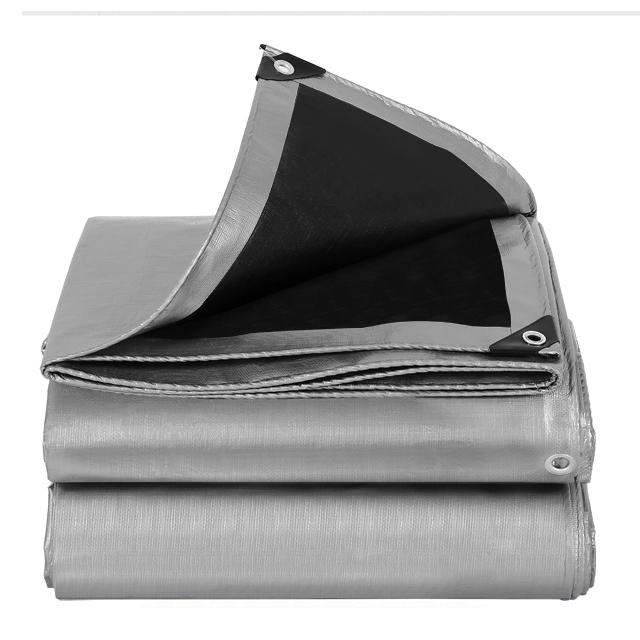
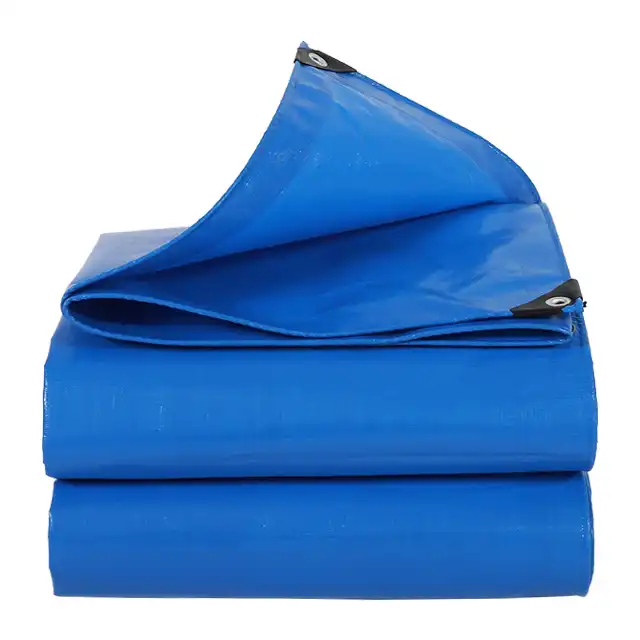
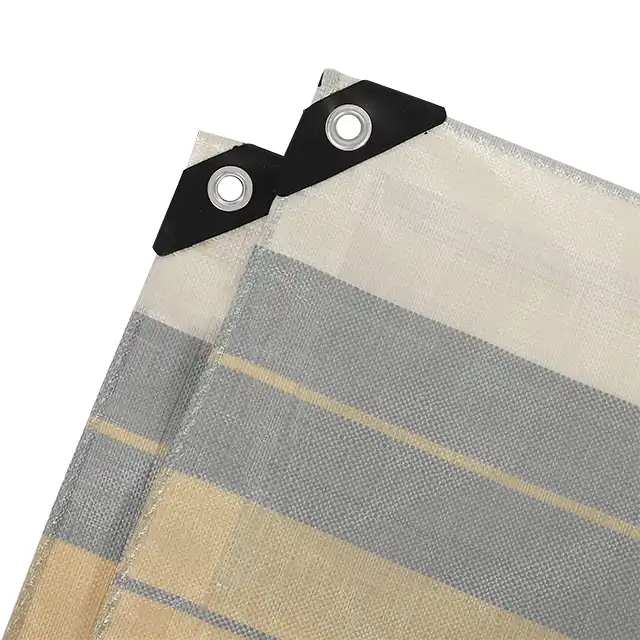
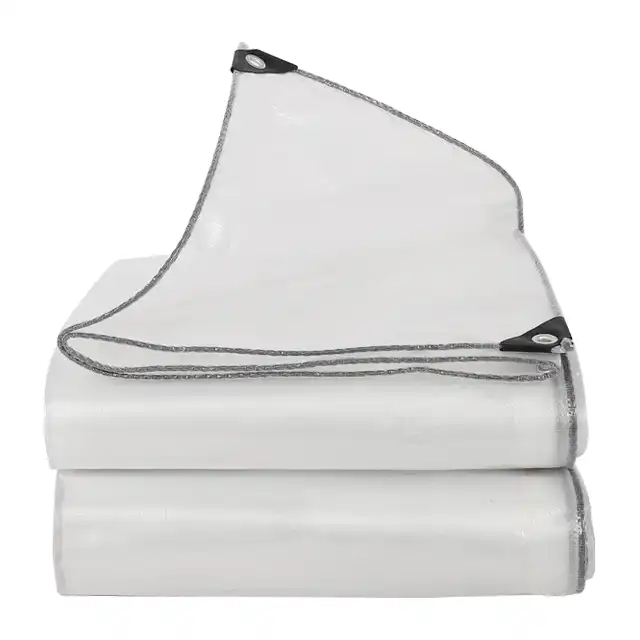
Understanding what tarpaulin GSM is and how to choose the right specification can make the difference between reliable protection and costly failures. GSM (grams per square meter) measures the weight and density of tarpaulin material, directly affecting its strength, durability, and application suitability. Choosing the correct GSM ensures your tarp provides adequate weather protection while remaining cost-effective for your specific needs. The weight typically ranges from 65gsm for lightweight covers to 280gsm for heavy-duty industrial applications.
Understanding Tarpaulin Fundamentals

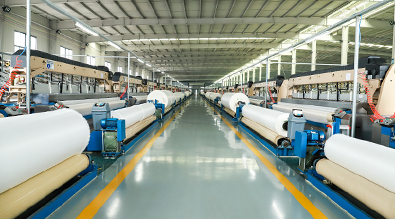
A tarpaulin represents a large sheet of strong, flexible, water-resistant material crafted from high-density polyethylene (HDPE) woven fabric with LDPE coating. This protective cover serves countless applications across construction, agriculture, transportation, and outdoor activities. Modern tarps combine advanced polymer technology with traditional weaving techniques to create versatile shelters that withstand harsh environmental conditions. The manufacturing process begins with extruding polyethylene yarns through specialized machines, creating fibers ranging from 400D to 2500D thickness. These yarns undergo tight weaving using water-jet looms, forming a robust fabric foundation. The resulting material receives a waterproof coating on both sides, creating an impermeable barrier against moisture, wind, and UV radiation. Quality tarps incorporate UV-resistant additives that prevent material degradation under prolonged sunlight exposure. The laminated structure provides tear resistance while maintaining flexibility across temperature extremes. This combination of properties makes tarpaulins indispensable for protecting valuable equipment, covering construction materials, and creating temporary shelters in emergencies. Contemporary tarpaulin production employs sophisticated quality control systems throughout every manufacturing stage. Professional technicians monitor yarn consistency, weaving patterns, coating thickness, and heat-sealing processes to ensure consistent performance standards. This attention to detail distinguishes premium tarps from inferior alternatives that may fail during critical applications.
The Critical Role GSM Plays in Performance
GSM estimation decides covering weight per square meter, serving as a dependable marker of fabric thickness, solidity, and defensive capability. Lower GSM evaluations (65-100gsm) show lightweight tarps appropriate for transitory covering or light-duty applications. Medium-weight choices (100-180gsm) give adjusted security for common development and open-air utilize. Heavy-duty details (200-280gsm) offer the greatest quality for mechanical applications requiring extraordinary toughness. Weight specifically connects with fabric thickness and fiber number. Higher GSM tarps contain more polyethylene per unit area, resulting in expanded cut resistance and tear quality. This thickness, moreover, influences waterproof execution, with heavier materials giving predominant moisture barriers under pressure conditions. The work check, extending from 10x10 to 14x14, works near the GSM to decide the general texture quality. Thickness estimations complement GSM appraisals, ordinarily traversing 7-12 mil for different applications. Thicker materials stand up to scraped areas way better and keep up basic astuteness beneath overwhelming loads. In any case, expanded thickness also diminishes adaptability and compactness, requiring careful thought of application necessities versus dealing with comfort. Understanding GSM makes a difference in forecasting tarp life expectancy under particular conditions. Lightweight covers may final months in secure situations but break down rapidly in severe climate conditions. Heavy-duty choices withstand a long time of open-air utilize while keeping up defensive properties. This relationship between weight and life span adds up to a toll of proprietorship calculations.
Essential Factors for Smart Tarpaulin Selection
Effective tarp determination requires assessing different variables beyond GSM evaluations. Application environment altogether impacts fabric necessities, with open-air establishments requesting higher UV resistance and climate assurance. Indoor capacity applications may prioritize cost-effectiveness over extraordinary solidness details. Load-bearing prerequisites determine the lowest quality determinations for truck covers, development boundaries, and gear assurance. Overwhelming apparatus scope requests strong materials able to withstand wind loads and mechanical stresses. Alternatively, transitory plant assurance amid ice events requires lightweight, easily taken care of choices that give satisfactory thermal obstructions. Climate conditions influence fabric determination over different measurements. Extraordinary temperature changes require tarps with ice-adaptability properties to avoid splitting during cold snaps. Tall muggy situations advantage from improved waterproof coatings that stand up to dampness infiltration. UV introduction levels directly add vital security measures to avoid untimely corruption. Estimate and movability considerations impact the viability of ease of use. Large-area scope may require heavy-duty materials in spite of taking care of challenges, whereas habitually moved covers take advantage of lighter materials. Color determination influences warm retention and perceivability prerequisites, with lighter shades lessening sun-powered warming and darker choices giving superior concealment. Budget limitations frequently drive detail compromises, making cost-per-use calculations fundamental. Premium tarps command higher starting costs but provide expanded benefit life and predominant execution. Economic choices suit short-term applications where substitution costs remain satisfactory.
Advanced Material Technology and Manufacturing Excellence
Modern tarpaulin manufacturing incorporates cutting-edge technology to enhance performance characteristics beyond traditional specifications. Advanced polymer formulations improve chemical resistance, enabling use in corrosive environments where standard materials would degrade rapidly. Specialized UV stabilizers extend outdoor service life by neutralizing harmful radiation effects on polymer chains. The coating process utilizes precision-controlled machinery to ensure uniform thickness distribution across the entire fabric width. This consistency prevents weak spots that could compromise waterproof integrity under stress conditions. Multi-layer coating systems provide redundant protection against moisture penetration while maintaining material flexibility. Heat-sealing technology creates permanent bonds between overlapping sections, eliminating traditional sewing vulnerabilities. These thermally welded seams resist water penetration and mechanical separation under load conditions. Quality control systems monitor seal strength throughout production to maintain consistent performance standards. Contemporary manufacturing facilities employ automated quality testing equipment that measures tensile strength, tear resistance, and waterproof performance on every production batch. This systematic approach ensures consistent material properties regardless of production timing or external factors.
Competitive Advantages of Professional-Grade Tarpaulins
Proficient covering producers recognize their items through predominant crude fabric determination and progressed preparation methods. High-quality polyethylene gums give improved chemical resistance and mechanical properties compared to reused or low-grade options. This fabric establishment specifically influences long-term execution and toughness characteristics. Accuracy weaving utilizing imported water-jet looms makes reliably tight texture structures that stand up to extending and distortion under load. The controlled pressure and design precision achievable with cutting-edge hardware outperform manual or semi-automated choices. This fabricating exactness translates into unsurprising execution characteristics across the entire range. Comprehensive quality administration frameworks guarantee each generation arrange meets established guidelines. From yarn expulsion through last bundling, orderly observing avoids flawed items from coming to clients. ISO 9001:2015 certification gives free confirmation of quality management effectiveness. Broad testing conventions approve execution claims through third-party research facility assessments. These appraisals cover waterproof astuteness, UV resistance, tear quality, and dimensional stability under different natural conditions. Normal testing keeps up certainty in item determinations and identifies improvement opportunities.
Application-Specific Considerations and Best Practices
Different applications demand specific tarpaulin characteristics that go beyond basic GSM specifications. Truck covers require excellent tear resistance and secure fastening options to withstand highway wind forces. Aquaculture applications need food-grade materials with enhanced chemical resistance for fish farming environments. Construction sites benefit from high-visibility colors and flame-retardant properties for safety compliance. Agricultural covers must resist UV degradation while allowing controlled ventilation for crop protection. Each application presents unique challenges requiring tailored material specifications and design features. Proper installation techniques maximize tarpaulin performance regardless of material quality. Adequate support structures prevent excessive stress concentrations that could cause premature failure. Regular inspection and maintenance identify developing issues before catastrophic failures occur. Storage and handling practices significantly affect tarpaulin lifespan. Clean, dry storage prevents mold growth and material degradation during non-use periods. Proper folding techniques avoid permanent creases that could compromise waterproof integrity. Temperature-controlled storage extends material life in extreme climate regions.
Frequently Asked Questions
Q1: What GSM rating should I choose for truck covers?
A: Truck covers typically require 140-200gsm tarpaulins, depending on load type and travel conditions. Heavy machinery transport demands higher GSM ratings (180-200gsm) for maximum durability, while general cargo applications perform well with 140-160gsm materials. Consider wind exposure, loading/unloading frequency, and cargo value when selecting specifications.
Q2: How does UV treatment percentage affect tarpaulin longevity?
A: UV treatment ranging from 1-7% significantly extends outdoor service life by protecting polyethylene from solar radiation degradation. Higher treatment percentages provide better protection for permanent installations exposed to intense sunlight. Standard 3-5% treatment suits most general applications, while specialized environments may require maximum protection levels.
Q3: Can I use lightweight tarps for heavy-duty applications?
A: Lightweight tarps (65-100gsm) lack sufficient strength for heavy-duty applications and may fail catastrophically under load conditions. Using inadequate specifications compromises protection effectiveness and could result in expensive damage to covered items. Always match tarpaulin specifications to actual application requirements rather than minimizing initial costs.
Partner with Shengde for Premium Tarpaulin Solutions
Shengde stands as your trusted covering producer with over two decades of fabricating brilliance and demonstrated execution over differing applications. Our comprehensive GSM extends from 65-280gsm, guaranteeing ideal arrangements for each necessity, supported by progressive generation capabilities and thorough quality control frameworks. Our state-of-the-art office highlights 400+ Korea-imported water-jet looms and specialized 5-meter width machines that create consistent texture without joints. This progressive gear, combined with 1000+ gifted laborers, empowers a steady generation of premium-grade coverings assembly worldwide benchmarks. Key associations with UNHCR, IOM, ICRC, and UNICEF illustrate our commitment to quality and unwavering quality. Custom determinations suit one of a kind extend necessities through our experienced investigation and development team. Whether you require specialized UV assurance, upgraded tear resistance, or particular color requirements, we provide custom-fitted arrangements that surpass expectations. Our specialized ability guarantees ideal fabric determination for your particular application requests. Encounter the Shengde advantage through comprehensive support from detailed determination, through progressing specialized support. Contact us at info@shengdetarp.com to talk about your covering necessities and find out why clients in over 30+ nations select Shengde for basic security applications.
Conclusion
Understanding tarpaulin GSM and selection criteria empowers informed decisions that balance performance requirements with cost considerations. GSM ratings provide reliable indicators of material strength and durability, while application-specific factors determine optimal specifications for successful outcomes. Professional-grade manufacturing processes and quality management systems ensure consistent performance across diverse environmental conditions. Partnering with experienced manufacturers like Shengde provides access to technical expertise and proven solutions that protect valuable assets while delivering exceptional value.