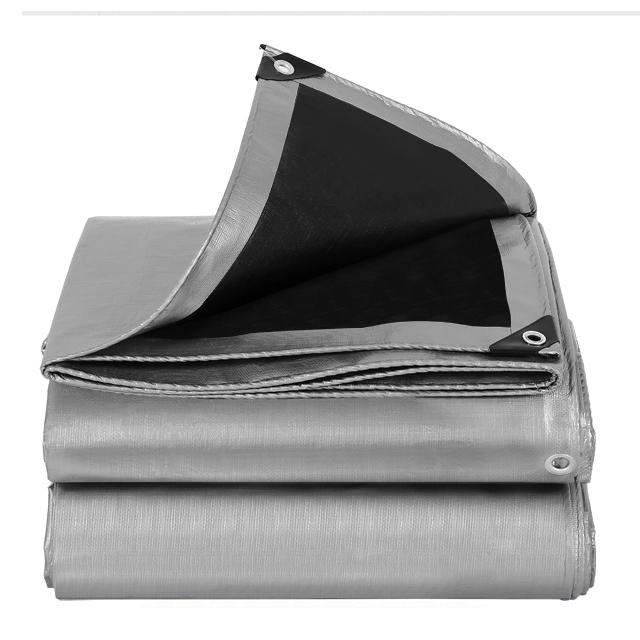
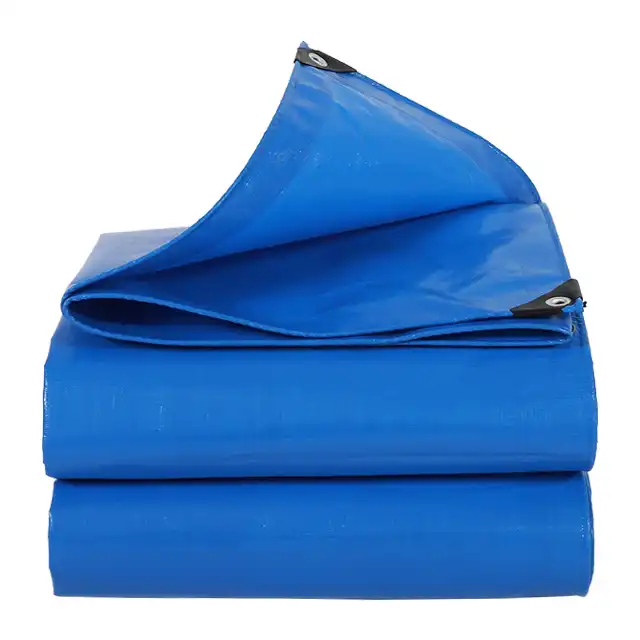
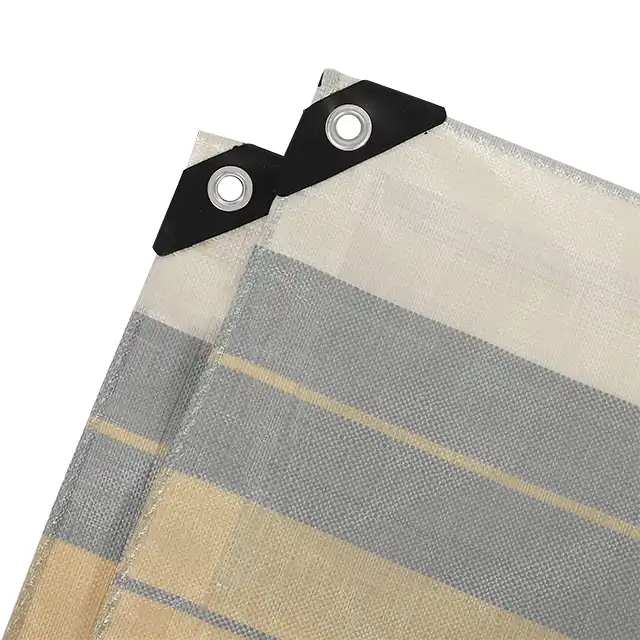
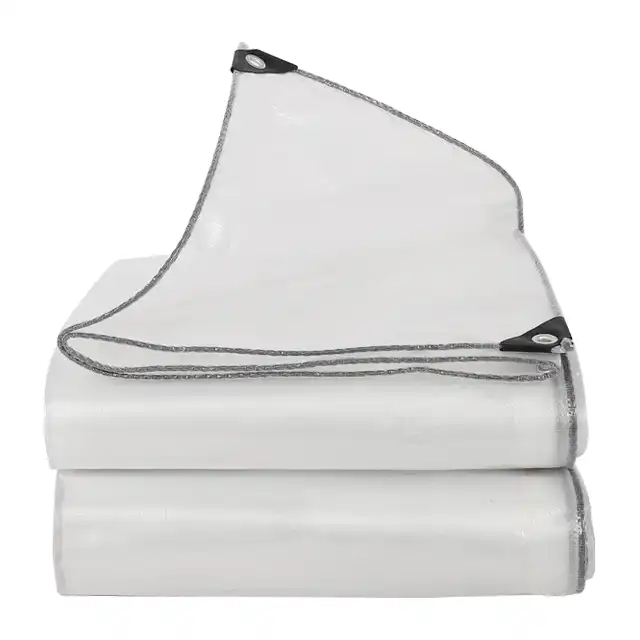
For temporary roofs, what kind of tarp is best? For emergency roof protection, heavy-duty plastic blankets with UV protection, tear resistance, and strengthened grommets are the best choice. If you use these protective covers for a long time, they will keep their shape and protect you from rain, wind, and other bad weather. Roofing tarps of good quality have several layers of protective cover that keep your property dry until the lasting fixes can be made.
Understanding Roofing Tarps and Their Purpose
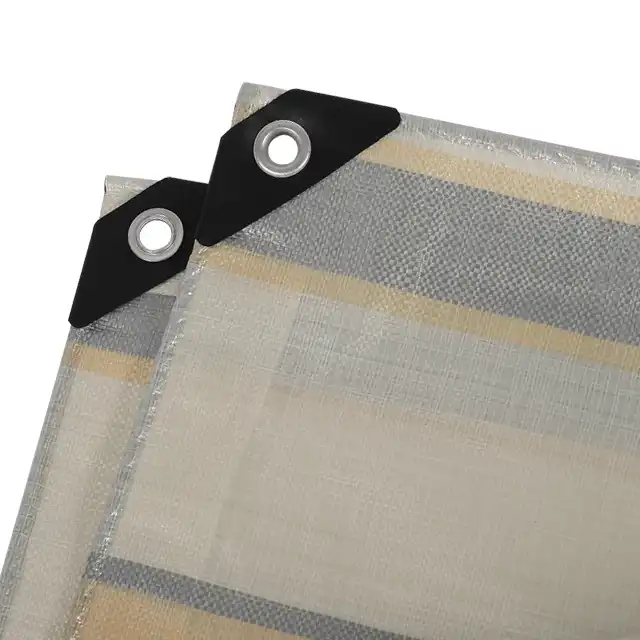
Roofing tarps are very important for protecting your home or business in case of emergency harm. These specialty covers protect people from the weather right away, in the time between the accident and the repair. Roofing materials, unlike regular blankets, have to be able to handle harsh weather, UV light, and constant stress from wind lifting. Roofing tarps that work well are made of many layers of plastic cloth that are carefully stitched together. Through this process, a shield is made that can't be punctured, torn, or wet. Manufacturers of good products use improved sealing methods to make their products last longer and be more resistant to the weather. The mils (inches) of thickness of the material directly affect how well it protects and how long it lasts. Both professional roofers and individuals know how important it is to have reliable temporary roof options on hand. Storms, natural disasters, and downed trees can all suddenly make roof systems weak. Being ready for an emergency means knowing which protection materials are the strongest, most weatherproof, and easiest to put up. These days, roofing tarps have stronger ends, grommets set carefully, and weave designs that don't tear. These parts make sure that the connection places are safe and stop stress concentrations that could cause the material to break. The development of these protected plates is the result of decades of technical progress and tests in harsh environments.
Critical Problems Emergency Roof Protection Solves
Property loss from water is one of the worst things that can happen to homes and businesses. During storms, even small holes in the roof can let hundreds of gallons of water in. This seepage of water damages the structure, encourages mold growth, poses an electrical risk, and destroys personal items. Putting up an emergency roof covering stops these problems from getting worse by blocking water right away. More and more, insurance companies want property owners to take acceptable steps to stop more damage from happening after an accident. Failure to set up temporary safety can lead to claims being denied or payments being lowered. Coverage choices and the time it takes to process claims are often affected by professional recording of protection measures. If you don't protect your roof right away, it will cost you a lot more in the long run. Water damage can weaken ceilings, insulation, and finishes inside a home. Electronics, furniture, and personal things that can't be replaced can be damaged by water getting into them. Putting up a good roofing tarp quickly lowers these secondary harm risks by a large amount. When it's bad weather and skilled repair services aren't available or are too busy, emergencies often happen. If you have the right safety gear on hand, you can act right away without having to wait for a worker to become available. This ability to depend on oneself is very helpful during large-scale disasters, where getting skilled help may take days or weeks.
Essential Features and Performance Characteristics
There are a number of performance features that make heavy-duty roofing tarps different from regular covers. Tolerance against tears is an important condition because wind forces put a lot of stress on damage points. Good materials are woven in a way called ripstop that stops small holes from getting bigger and causing big problems. Its UV-resistant qualities make sure that it will work well even after being in direct sunlight for a long time. UV light breaks down plastic materials that aren't covered, making them weak and eventually breaking. Modern UV blockers built into the structure of the cloth give months of solid protection without breaking down. For long-term temporary placements, this feature is very important. How well something is waterproof depends on both the materials used and how well they were made. Using more than one covering layer makes double shields against wetness that work even in harsh circumstances. The material's quick ability to shed water keeps it from pooling, which could put stress on the roof structure below or make installation more difficult. Installation safety and wind resistance are directly affected by how far apart and how strong the grommets are. Brass or stainless steel grommets are placed every 18 to 24 inches along the edges of professional-grade materials. These connection points spread out stress loads evenly and give ropes, bungee cords, or mechanical closures safe places to attach themselves. Size flexibility lets you handle a range of emergencies, from small leak fixes to covering the whole roof. For small fixes, the standard size is 8x10 feet, and for big damage, it's 20x30 feet or bigger. Custom-sizing choices let you get the exact covers you need without any extra material that could cause wind sail effects or make fitting harder.
Advanced Materials Technology Explained
These days, high-density polyethylene (HDPE) resins are used to make polyethylene roofing tarps, which are stronger and more resistant to weather. In the making process, polymer threads are pushed out of a die to exact sizes, and then computer-controlled looms weave these threads into cloth. With this level of accuracy, the material qualities of each blanket will be the same. Lamination technology uses heat and pressure to join several layers of cloth together. This process makes a single material that is stronger against tears and holes. Modern companies use fire-resistant ingredients that make the spread of flames slower and meet building code requirements for short-term setups. When acidic weather, industrial pollutants, or cleaning agents come in contact with the material while it is being used, its chemical resistance traits protect it. These defensive qualities keep the material's purity and stop it from breaking down in ways that could affect its performance. Common outdoor pollutants and cleaning products have been tested in a lab to make sure the resistance is real. Coating formulas have plasticizers in them that keep the coating flexible over a wide range of temperatures. This flexibility keeps it from cracking in cold weather and keeps its working properties while it's being installed. Stable performance at all temperatures, from the cold of the Arctic to the hot desert.
Key Advantages of Professional-Grade Roofing Protection
Professional sheet materials for roofing tarps are much better than regular covers or solutions that were made on the spot. When something is more durable, it lasts longer and costs less to repair during long emergencies. Common ways that materials fail include edge breaking, eyelet pullout, and UV degradation. When specifically made roofing safety is used, installation speed goes up by a huge amount. Stronger connection points, the right size, and easy handling make release faster in an emergency. When working in dangerous situations or trying to beat storms that are coming, this level of speed is very important. By large amounts, their wind resistance is much higher than that of regular blankets. Professional materials stay strong in continuous winds of more than 50 mph if they are placed correctly. When bad weather hits, this level of performance gives people faith that the products will hold up. Cost-effectiveness comes from less additional damage and longer use. Even though the original cost may be higher than simple options, the long-term value is great because it protects and can be used again. Quality products can often be used in more than one emergency over the course of a few years. Professionally made roofing security systems are better for safety reasons. Risks during installation and use are lower when the material behaves in a predictable way, there are safe ways to connect it, and it works reliably. When emergency repairs are done by people who aren't pros, these safety gaps become even more important.
Important Limitations and Usage Considerations
Only temporary repairs should not be used in place of permanent ones, and they shouldn't stay in place forever. Long-term exposure to weather changes breaks down even the best materials. Depending on the rules in your area, building codes usually only allow temporary installs for a certain amount of time. This time range is usually between 90 and 180 days. Because of the needs of the installation, safety measures and correct methods must be carefully followed. There are risks that come with working on broken roofs that can only be avoided with the right safety gear and experience. Professional placement may be needed for buildings with a lot of stories or damage that is hard to see. Installation times and efficiency are affected by the weather. Strong winds, ice, and heavy rain make working conditions dangerous and lower the quality of the job. Setting the date and time of the work around the weather report makes it safer and more likely to go well. When thinking about costs, you need to think about both the materials and the work needed to put them together. It costs more to buy high-quality roofing tarp materials than cheaper ones. However, this investment usually ends up being worth it when you compare it to the costs of secondary damage and multiple replacements. How the material is stored and handled affects how long it lasts and how well it works. Proper storage in cool, dry places keeps materials' working qualities and extends their life. Using folding methods and storage bins can help keep things from getting damaged or dirty.
Material Comparison and Selection Guidance
When it comes to emergencies, polyethylene roofing tarps are a better deal than canvas or plastic options. Canvas is a great material for roof protection because it lets air flow through it, but it's not waterproof. Vinyl choices are great because they are waterproof, but they can get weak in cold weather. The thickness standards have a direct effect on cost and function. For most household uses, materials between 6 and 12 mils are enough to protect. In business or industry settings, thicker materials (up to 20 mils) may be needed to make things last longer and be less likely to get punctured. Colors have effects on how heat is absorbed and how well they can be seen. Blue materials are easy to see, which is good for safety, and they don't absorb too much heat. Options that are silver or white successfully reflect sunshine, preventing heat buildup that could damage the roof's materials below or make the inside uncomfortable. Patterns of reinforcement are different for different makers and uses. The strength of cross-hatch weave is the same in all directions, while the strength of linear strengthening is better in certain directions. The best way to choose reinforcements is to understand how stress will be distributed in planned sites.
Target Applications and Optimal Use Cases
When emergency roofing security is needed, it's most often for storm damage. Damage to the roof from hail, falling trees, and wind-blown debris can happen quickly and needs to be fixed right away. Quality roofing tarps protect reliably while insurance agents look at the damage, and repair workers make plans for how to fix it. When building or remodeling, it's common to need temporary weather protection while the roof system is being fixed or upgraded. Because of these planned uses, it is possible to choose the right materials and use professional construction methods. For longer building times, you need high-quality products that are more resistant to UV light and last longer. Large-format roofing security is used for equipment sheds and portable structures in commercial and industrial buildings. Custom size and better fastening methods are often needed for these uses because of the way buildings are set up and the wind loads in the area. Agricultural uses include protecting crops, sheltering tools, and adding to the living of animals. Professional replacement services may not be available right away in rural areas. This means that reliable temporary security systems are needed to keep operations going. Keeping the right roofing safety supplies on hand can help emergency planners for cities, aid groups, and big property owners. Having high-quality materials on hand makes it easier to respond quickly to disasters and lowers the overall cost of damage.
Conclusion
Selecting the optimal roofing tarp requires balancing performance requirements, installation conditions, and cost considerations. Heavy-duty polyethylene materials with UV resistance, tear-resistant properties, and reinforced attachment systems provide the best combination of protection and value for most applications. Quality materials prevent secondary damage while maintaining reliable performance throughout extended emergencies. Investing in professional-grade roofing protection delivers superior results compared to improvised solutions, ultimately reducing total restoration costs and protecting valuable property assets.
Frequently Asked Questions
Q1: How long can a temporary roofing tarp remain installed safely?
A: Quality roofing tarps can remain installed for 3-6 months under normal conditions, though building codes typically limit installations to 90-180 days. UV-resistant materials last longer than standard options, but permanent repairs should be completed as soon as possible to maintain structural integrity and insurance compliance.
Q2: What size roofing tarp do I need for my damaged roof area?
A: Measure the damaged area and add 2-4 feet on all sides for proper overlap and secure attachment. Common sizes include 10x12 feet for minor damage, 16x20 feet for moderate areas, and 20x30 feet or larger for extensive damage. Custom sizes are available for unique situations.
Q3: Can I install a roofing tarp myself, or should I hire a professional?
A: Simple installations on single-story buildings with minimal damage can often be handled by experienced homeowners using proper safety equipment. Complex damage, multi-story buildings, or dangerous conditions require professional installation. Always prioritize safety over cost savings when working at heights.
Partner with SENDOW TARPAULIN for Premium Roofing Protection Solutions
SENDOW TARPAULIN delivers industry-leading roofing tarp solutions backed by over two decades of manufacturing excellence and innovation. Our heavy-duty polyethylene materials undergo rigorous quality testing to ensure superior performance in emergency roofing applications. With ISO 9001:2015 certification and partnerships with international relief organizations, including UNHCR and UNICEF, we maintain the highest standards of quality and reliability.
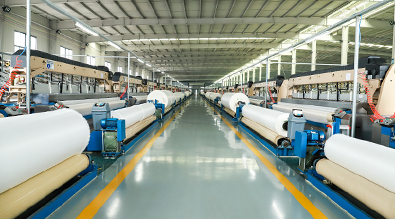
Our advanced manufacturing capabilities include specialized 4-meter and 5-meter width fabric weaving machines that produce seamless roofing tarp materials without joints or weak points. This technology ensures maximum coverage area with optimal strength characteristics. Professional contractors and emergency response teams worldwide trust our products for critical protection applications.
As a leading roofing tarp manufacturer, we offer comprehensive customization options to meet specific project requirements. Our research and development team continuously develops enhanced fire prevention functions, superior waterproof capabilities, and ultra-wide format options. Whether you need standard dimensions or custom specifications, our production capacity exceeds 100 tons daily to meet urgent delivery schedules.
Quality assurance remains our fundamental commitment, with comprehensive testing protocols and third-party laboratory verification ensuring consistent performance. Our global export experience spanning over 30 countries demonstrates our ability to meet diverse market requirements and regulatory standards. Contact us at info@shengdetarp.com to discuss your emergency roofing protection needs and discover why professionals choose SENDOW TARPAULIN for reliable, cost-effective solutions.
References
1. American Society for Testing and Materials. "Standard Specification for Polyethylene Tarpaulins." ASTM D5261-20.
2. National Roofing Contractors Association. "Emergency Weather Damage Procedures and Protocol Guide." NRCA Manual, 2023 Edition.
3. Federal Emergency Management Agency. "Temporary and Emergency Repairs Handbook." FEMA Publication 348.
4. Insurance Information Institute. "Property Protection and Claims Prevention Strategies." Commercial Property Guidelines, 2023.
5. International Code Council. "Temporary Structures and Equipment Installation Standards." IBC Chapter 31 Requirements.
6. Building Performance Institute. "Weather Protection Systems for Damaged Structures." Technical Bulletin Series, Volume 12.