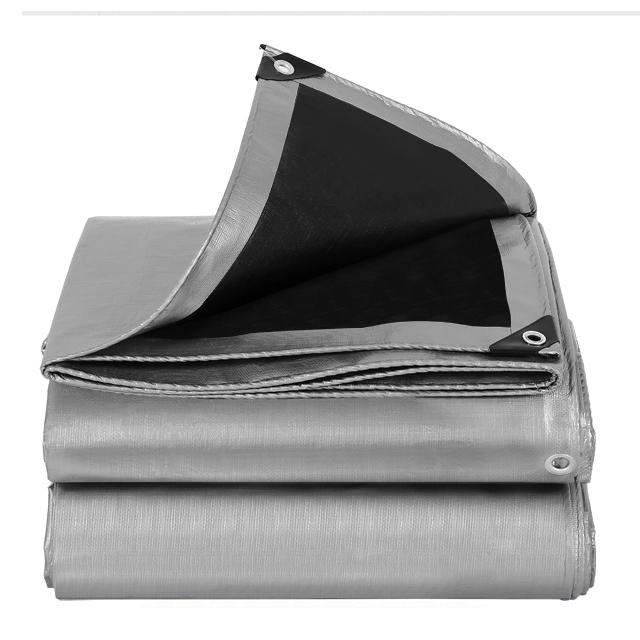
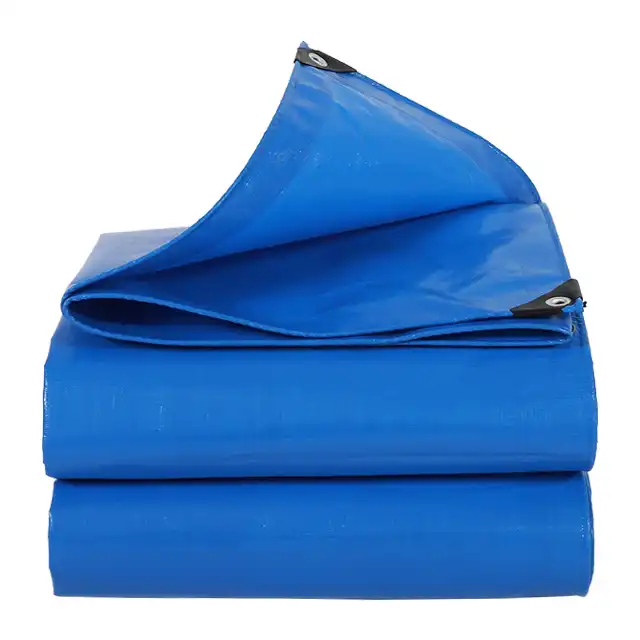
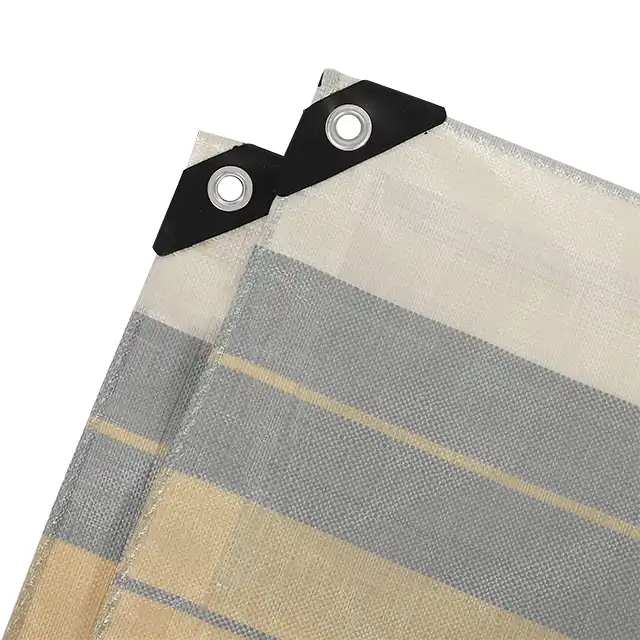
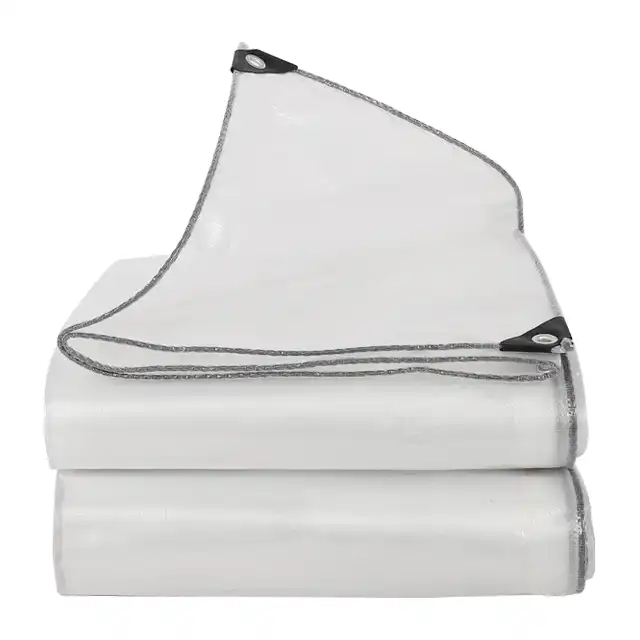
Because tarpaulin rolls are less expensive per square meter and produce less trash, they usually provide greater value than sheets when considering cost-effectiveness for industrial applications. Manufacturing economies and bulk packing efficiency are the sources of this cost advantage. The ultimate choice, however, is contingent upon particular project specifications, storage capacities, and application techniques that differ across various business processes. In many different sectors, such as manufacturing, construction, logistics, and agriculture, tarpaulins are essential protective solutions. They provide crucial protection against environmental harm to priceless objects. A fundamental procurement query that buying managers, engineers, distributors, and OEM customers often face is addressed in this extensive reference. In order to optimize purchasing choices in B2B situations and guarantee that your investment yields maximum value, we seek to make cost and use factors more clear.
Understanding Tarpaulin Rolls and Sheets: Key Differences
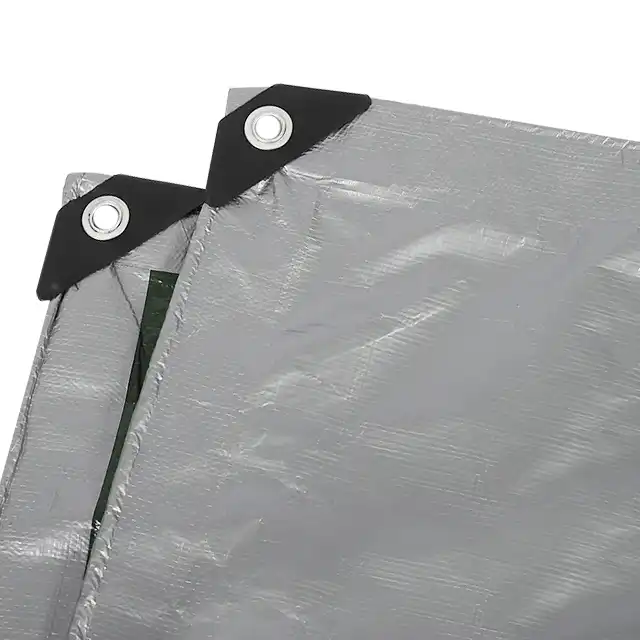
The shape, elasticity, and usefulness of tarpaulin sheets and rolls vary greatly depending on the industrial setting. Procurement experts may make well-informed judgments that optimize costs and meet operational needs by being aware of these basic variances.
Form Factor and Application Flexibility
Tarpaulin rolls provide continuous lengths that are great for covering vast areas without seams, which makes them ideal for protecting construction sites, warehouses, and huge agricultural activities. Potential water penetration spots that can jeopardize the integrity of protection are eliminated by the seamless nature. On the other hand, sheets are available in predetermined dimensions, making them ideal for segmented projects where accurate sizing is more important than continuous coverage.
Material Composition Impact on Performance
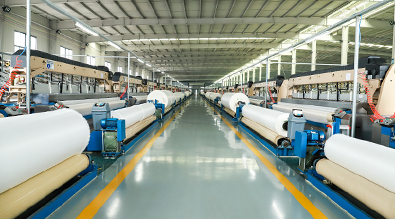
Durability and price structures are impacted by the material composition, which includes polyethylene, PVC, canvas, fire retardant, and UV-resistant varieties. To guarantee uniform material qualities across all product forms, our production plant at SENDOW TARPAULIN makes use of cutting-edge coating machinery and quality control systems. There is flexibility to meet individual strength needs with budgetary limits because to the yarn thickness possibilities, which range from 400D to 2500D.
Volume Pricing Behavior Analysis
The behavior of volume pricing differs greatly throughout formats. For big projects, rolls can provide greater unit cost reductions because of their efficient manufacture and lower packing costs. Sheets are simpler to handle for smaller applications, but since they need more processing and packing, they may cost more per unit. Procurement teams may improve their buying strategy by having a better understanding of these price trends.
Cost Comparison: Are Tarpaulin Rolls Actually Cheaper?
Assessing true cost efficiency requires comprehensive evaluation beyond initial purchase price, encompassing total cost of ownership factors that significantly impact long-term value.
Direct Price Per Square Meter Analysis
Because of production efficiencies and the benefits of bulk purchase, rolls constantly show cheaper unit pricing. These cost savings are made possible by our manufacturing facility's efficient processing on specialist equipment, such as huge coating machines and water-jet looms with a width of 4.25 meters. However, assessments of overall expenses may be impacted by unstated expenses such as shipping, storage, and handling needs.
Durability and Long-term Value Considerations
Long-term value propositions are greatly impacted by durability. Better tarpaulins increase return on investment by lowering maintenance costs and replacement frequency. Our strict quality control procedures and ISO 9001:2015 certification guarantee reliable performance that reduces unforeseen replacement expenses. Our production-wide continuous monitoring system ensures that each meter satisfies predetermined durability requirements.
Real-world Cost Analysis Example
sheets of tarpaulin cost $1.10 per square meter, tarpaulin rolls may cost $0.85 per square meter. When quicker installation periods and less seaming needs are taken into account, the initial $1,250 savings becomes even more substantial. When maintenance and replacement requirements are taken into consideration, rolls may result in a 15-20% overall cost reduction during a three-year lifespan when compared to sheets.
How to Choose Between Tarpaulin Rolls and Sheets for Your Business Needs?
Selecting the optimal tarpaulin format requires careful evaluation of specific application scenarios, operational constraints, and strategic procurement objectives.
Application-Specific Requirements Assessment
Different methods to material selection are required for different applications. Rolls that remove seam vulnerabilities are useful for continuous, large-area coverage applications. In order to provide continuous covering for large areas without joints, our research and development team has created ultra-wide width products up to 5 meters. Despite greater unit prices, sheets are often used for segmented installations or applications that need exact fit.
Material Properties Alignment
Thickness, waterproofing capacity, and UV resistance are examples of material qualities that must precisely match project requirements and environmental exposure. Our state-of-the-art testing apparatus guarantees that items fulfill predetermined performance standards. Our R&D efforts have produced fire retardant qualities that provide industrial applications more safety margins. UV-resistant compositions greatly increase service life by guarding against deterioration in outdoor settings.
Procurement Strategy Considerations
Strategic procurement factors including minimum order quantities, lead times, and supplier reliability play crucial roles in ensuring consistent supply while minimizing operational disruption. Our global export experience spanning over 30 countries demonstrates reliability in meeting delivery commitments. The partnerships we maintain with international organizations like UNHCR and UNICEF validate our capability to handle large-scale procurement requirements efficiently.
Installation, Maintenance, and Storage: Influence on Total Cost of Ownership
Beyond initial purchase costs, installation practicality, maintenance requirements, and storage considerations significantly influence total cost of ownership calculations.
Installation Efficiency Factors
There are significant differences in installation techniques across formats. Rolls provide for smooth coverage, but wider widths—especially our 4-meter and 5-meter wide products—may need specific handling equipment. For large coverage areas, the continuous nature shortens the installation time. Sheets are ideal for smaller teams or precise installations since they provide a more straightforward, modular application with more human handling options.
Maintenance Requirements and Cost Implications
Tarpaulin lifetime is significantly increased by appropriate maintenance routines that include cleaning, waterproofing replenishment, and prompt repairs. Our quality control system guarantees that goods continue to function as intended for the duration of their designated service life. Frequent maintenance and inspection procedures safeguard original investments and guarantee ongoing dependability. Compared to lower-grade alternatives, the better material quality attained via our production procedures lowers the frequency of maintenance.
Storage Optimization Strategies
Proper storage proves vital for maintaining material integrity, particularly for tarpaulin rolls susceptible to moisture and UV exposure during storage periods. Our packaging systems protect products during transport and storage phases. Climate-controlled storage prevents material degradation and ensures readiness for deployment. These storage requirements must factor into total cost calculations, as improper storage can necessitate premature replacement.
Procurement Insights: Sourcing Tarpaulin Rolls and Sheets From Trusted Suppliers
Reliable supplier identification depends on certifications, manufacturing standards adherence, and proven quality control processes that ensure consistent product performance.
Quality Assurance and Certification Standards
Supplier evaluation must prioritize quality management systems and relevant certifications. SENDOW TARPAULIN maintains ISO 9001:2015 certification and comprehensive quality monitoring throughout production processes. Our partnerships with international humanitarian organizations demonstrate capability to meet stringent quality requirements consistently. Third-party testing laboratory results validate our products' performance characteristics across diverse applications.
Value-Added Services and Customization Capabilities
Leading suppliers offer value-added services including custom printing capabilities that differentiate brands and improve traceability. Our printing equipment enables custom graphics, logos, and identification markings. The flexibility to accommodate specific sizing requirements and material specifications adds significant value for specialized applications. Custom fire retardant treatments and enhanced waterproofing formulations address unique operational requirements.
Global Sourcing and Logistics Considerations
International procurement requires understanding of logistics options, shipping costs, and delivery reliability. Our export experience since 2009 demonstrates proven capability in managing global supply chains effectively. The comprehensive shipping network we maintain ensures timely delivery to over 30 countries. Competitive pricing combined with reliable delivery performance provides procurement teams with predictable cost structures for budget planning purposes.
Conclusion
Tarpaulin rolls generally provide superior cost efficiency compared to sheets, particularly for large-scale applications requiring extensive coverage. The manufacturing economies, reduced material waste, and elimination of seaming requirements create compelling economic advantages. However, optimal selection depends on specific application requirements, storage capabilities, and operational constraints unique to each procurement scenario. Quality remains paramount regardless of format choice, as superior materials deliver enhanced durability and reduced total cost of ownership. Partnering with experienced manufacturers like SENDOW TARPAULIN ensures access to both cost-effective solutions and the technical expertise necessary for successful procurement outcomes.
Frequently Asked Questions
Q1: What factors make tarpaulin rolls more cost-effective than sheets?
A: Tarpaulin rolls offer lower per-square-meter pricing due to manufacturing efficiencies, reduced packaging costs, and elimination of seaming requirements. The continuous production process creates economies of scale that benefit buyers, particularly for large-quantity purchases.
Q2: Are there applications where sheets provide better value than rolls?
A: Yes, sheets excel in applications requiring precise sizing, easy handling by small teams, or modular installations. When coverage areas are irregular or require frequent reconfiguration, sheets often provide superior flexibility despite higher unit costs.
Q3: How do storage requirements differ between rolls and sheets?
A: Rolls require more careful storage to prevent crushing and moisture penetration, particularly for larger widths. Sheets typically stack more efficiently and resist damage during storage, making them suitable for operations with limited storage facilities.
Optimize Your Tarpaulin Procurement Strategy With SENDOW TARPAULIN
SENDOW TARPAULIN stands ready as your trusted tarpaulin rolls supplier, offering comprehensive solutions that optimize procurement outcomes across diverse industrial applications. Our 20-year manufacturing expertise, ISO 9001:2015 certification, and proven track record with international organizations ensure reliable product quality and delivery performance. The advanced production capabilities including ultra-wide width manufacturing and custom fire retardant treatments, provide flexibility to meet specialized requirements. Our research and development team continues developing innovative solutions that enhance performance while maintaining competitive pricing. Whether you need extensive roll coverage or precise sheet dimensions, our product range accommodates diverse operational needs. Global shipping capabilities and established logistics networks ensure timely delivery regardless of location. Contact us at info@shengdetarp.com to discuss your specific requirements, request samples, and receive detailed quotations tailored to your procurement objectives. Experience the difference that quality manufacturing and dedicated customer service make in optimizing your tarpaulin investment.
References
1. Industrial Textiles and Nonwovens Quarterly, "Cost Analysis of Tarpaulin Manufacturing Formats," Vol. 45, No. 3, 2023.
2. Peterson, M. & Chen, L., "Comparative Study of Roll vs. Sheet Tarpaulin Applications in Agriculture," Journal of Agricultural Engineering, 2023.
3. Global Procurement Institute, "B2B Purchasing Strategies for Industrial Textiles," Annual Report, 2023.
4. Thompson, R., "Total Cost of Ownership Analysis for Protective Covering Materials," Industrial Materials Research, 2022.
5. International Standards Organization, "Quality Management Systems for Textile Manufacturing," Technical Publication ISO-9001-2015-TX, 2022.
6. Martinez, A. et al., "Economic Efficiency in Large-Scale Tarpaulin Procurement," Supply Chain Management Quarterly, Vol. 18, No. 2, 2023.