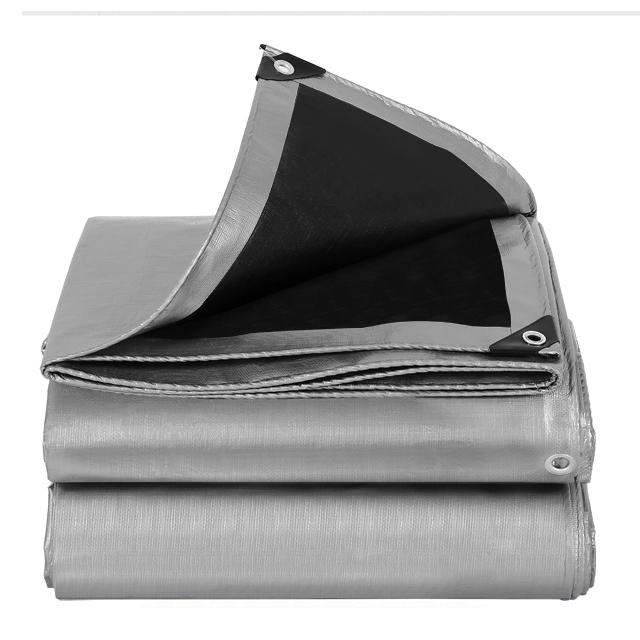
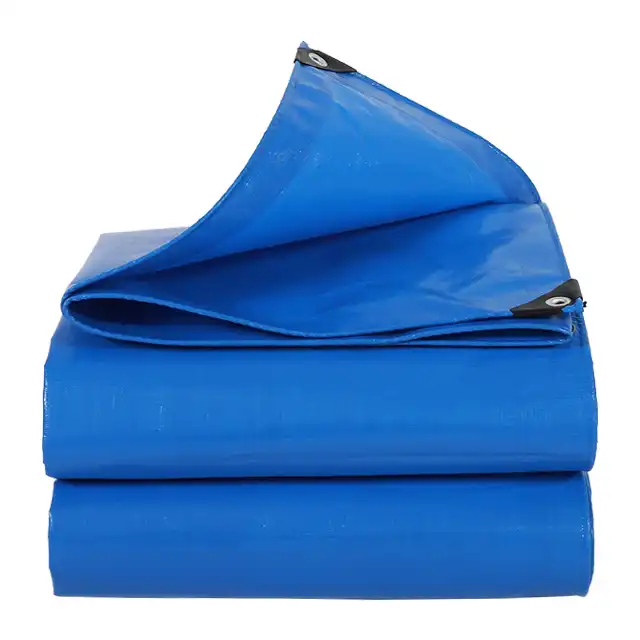
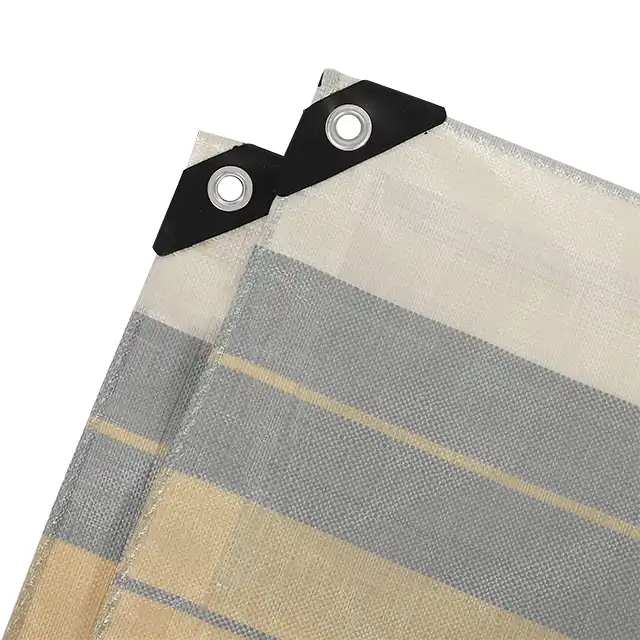
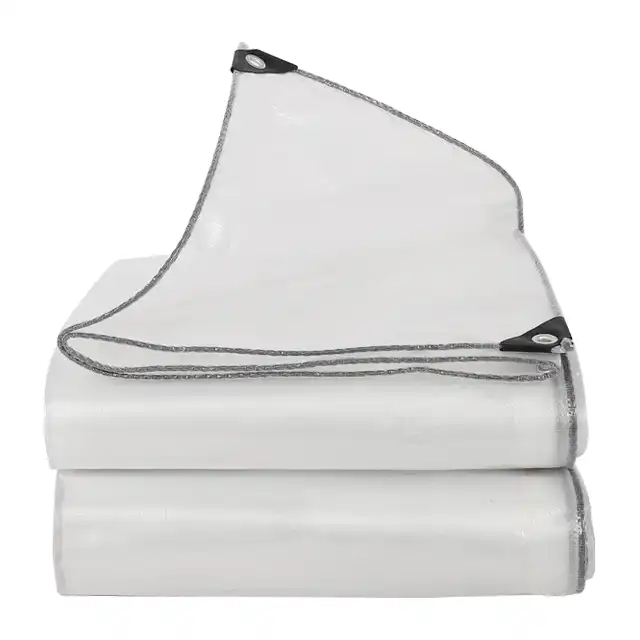
Good agricultural tarpaulins protect crops from bad weather, UV rays, and other natural hazards. These weatherproof sheets can be used for many things, like covering greenhouses and giving animals a place to stay. They are essential tools for modern farms. The right crop cover can make a big difference in the quality of the crop yield while also cutting down on losses caused by unpredictable weather. Professional-grade tarps protect against damage from UV rays, water, and wear and tear better than regular covers.
Why Agricultural Tarpaulins Are Essential for Modern Farming?
Climate change, extreme weather events, and environmental stressors pose problems to modern farms that have never been seen before. Farmers all over the world know that traditional ways aren't enough to protect their investments. Good farmland shelter systems are now an important part of farming that lasts. Losses of crops cost the economy billions of dollars every year. Studies have shown that using heavy-duty cloth to protect crops properly can cut down on weather-related losses by as much as 40%. This protection does more than just cover against rain; it also protects against pests and keeps the soil's quality by blocking wetness. Professional farm covers do a lot of different things during the growing season. These tools can be used in many ways. They can protect seedlings during vulnerable stages of growth, shield grown crops from hail damage, and create controlled environments for specialty crops. When you buy good protective materials, your money usually pays for itself in just one growing season because you get more crops and lose less.
Essential Selection Criteria for Agricultural Tarpaulins
Choosing the right agricultural safety means giving a lot of things a lot of thought. Composition has a direct effect on how long something lasts and how well it works, especially when selecting agricultural tarpaulin for long-term outdoor use. The PE (polyethylene) structure is very waterproof and resistant to UV light, which makes it perfect for use outside. In agricultural settings, thickness standards are very important. Heavy-duty choices with protection levels ranging from 120GSM to 300GSM are available. For short-term uses, lighter weights work best, while heavier grades are better for long-term installs and harsh weather. Another important factor is size freedom. For modern farming, covers are needed for everything from small garden plots to huge fields. Widths that can go up to 5 meters without any joints get rid of weak spots that could damage the integrity of the protection. Resistance to weather affects long-term value. Quality tarp materials that are immune to UV light keep their shape even when they are exposed to the sun all the time. The waterproof qualities must be able to stand up to heavy rain without letting water in. Temperature protection makes sure that performance stays the same throughout the year.
Top Agricultural Tarpaulin Solutions for Crop Protection
Heavy-Duty PE Agricultural Covers
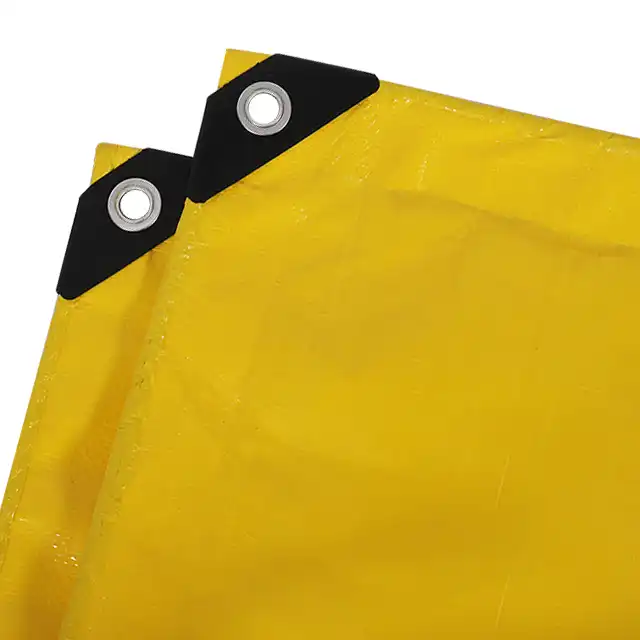
When it comes to protecting crops, professional-grade PE farm covers are the best. Advanced polymer technology is used in these reinforced tarp systems to make them work better in harsh agricultural settings. UV protectors are built into the material, so it doesn't break down when it's exposed to the sun all the time. As part of the manufacturing process, the ends are reinforced with double-folded hems that keep the fabric from tearing in the wind. Corner reinforcements add extra layers of cloth to handle tie-down points without breaking. Its woven base structure gives it great tensile strength while still allowing for a lot of different mounting options. Using waterproof coatings protects against all kinds of wetness. The lamination process makes walls that are seamless and keep water out while still letting air flow properly in greenhouses. This mix between protection and breathability keeps moisture from building up, which could hurt crops that are sensitive to it. Size choices meet the needs of a wide range of farmers. Widths that are standard run from 2 meters for small gardens to 5 meters for large businesses. Custom cutting services make it possible to fit irregular field forms perfectly. The seamless structure gets rid of weak joints that weaken the protection. Testing for durability shows that things last a very long time in farming settings. When quality materials are used over many seasons, they keep their structural stability. UV protection keeps materials strong and stops them from becoming brittle, which can cause them to break early. With regular upkeep, most things will last longer than five years.
Specialized Greenhouse Covers
For greenhouse operations, special covering materials are needed that protect while still letting light through. Modern designs for farming tarpaulins include light-diffusing features that make growing conditions better while still protecting crops from the weather. These covers make controlled environments that are needed for work all year round. Quality greenhouse covers are different from regular blankets because they let air flow through them. Micro-perforation designs let air flow in and out in a controlled way without removing the waterproofing. This air keeps condensation from building up, which can help fungi grow and crop diseases spread. Different greenhouse designs can be installed using different methods. Strong grommets, rope loops, and hook-and-loop systems are some ways to attach things. Professional installation instructions make sure that the right tension is used to prevent damage from the wind and keep the best coverage. Maintaining the right temperature is an important job for greenhouses. During the summer, reflective coats keep things cooler, and in the winter, clear coatings let more light through. This power to control temperature makes growing seasons longer and crops better. With good greenhouse covers, you won't have to do much maintenance. Light transmission qualities are kept up by regular cleaning. Simple changes can fix small problems without having to replace the whole thing. Seasonal changes are made to account for changing crop needs and weather factors.
Multipurpose Farm Equipment Protection
It is important to keep agricultural equipment protected from the weather because it is a big expense. Multipurpose tarp systems cover a lot of ground for outdoor work and storing equipment. These covers keep the plates from rusting and causing mechanical damage from being exposed to the elements. Size flexibility lets different kinds of tools work. Covers for small tools need to be less than 6 meters long, while covers for big tractors need to be longer. Customizing the size makes sure that there is enough cloth to cover everything without getting in the way of wind resistance. Secure attachment methods keep things from moving in the wind while they are being stored. Industrial-strength rings placed at regular intervals give you more than one way to tie things down. With elastic ropes and bungee attachments, you can set up your equipment quickly and safely. Chemical resistance keeps damage from farm sprays and fuel spills at bay. Good PE construction doesn't break down easily when exposed to cleaning agents and petroleum products. This resistance keeps the material's integrity during normal repair tasks on equipment. Features for portability let you use it in the field during activities. The lightweight design makes it easy for single users to move. When covers aren't being used, they take up less space because they fold up compactly. When the weather changes, quick deployment methods cut down on the time it takes to set up.
Global Market Characteristics and Regional Considerations
Agricultural tarpaulin markets are very different in different parts of the world because of differences in temperature, farming methods, and the economy. Heavy-duty applications for large-scale processes are popular in North American markets. Precision agriculture uses with specialized covering solutions are what the European markets are mostly about. The fast growth of Asian markets is due to the development of traditional farming methods. More and more people are growing plants in greenhouses, which increases the need for specialized crop cover materials. In growing economies, market growth is driven by government programs that encourage farmers to use their land more efficiently. Different parts of the world have different product specs because of their climate. Better UV resistance and moisture control are needed in tropical places. In temperate zones, methods need to be flexible enough to deal with changes in the seasons. In dry areas, applications that save water and protect the land are given top priority. Regulatory standards affect what products are available and how they are made. EU rules stress the importance of being eco-friendly and recyclable. The main focus of North American standards is on efficiency and safety. Knowing the area rules is important for making sure you follow them and choosing the right product.
Professional Purchasing Recommendations
To successfully buy farm tarpaulin, operational needs must be carefully considered. First, figure out what kind of protection you need based on the crops, field size, and local weather trends. This study helps with choosing materials and making decisions about sizes. Quality control makes sure that efforts in agriculture will pay off in the long run. Ask for information about the material, such as its tensile strength, UV protection, and waterproofing. Reputable makers back up their performance claims with detailed technical documentation. Buying a tarpaulin is much more valuable when you get installation help services. Professional installation advice guarantees the best performance and stops failures before they happen because of bad deployment. Maintenance programs keep warranties valid and extend the useful life of things. When making a budget, you should think about the total cost of ownership, not just the original purchase price. Quality products that cost more up front often offer better long-term value through longer service life and better performance. When comparing choices, think about how often they need to be replaced. The dependability of suppliers has a big effect on ongoing activities. Build relationships with manufacturers that will always have products in stock and offer technical help. International providers with a lot of experience exporting agricultural tarpaulin know what the needs of farmers around the world are and can meet them.
Industry Trends and Summary
Agricultural protection continues evolving with advancing materials science and changing farming practices. Smart agricultural covers incorporating sensor technology enable automated deployment based on weather conditions. Biodegradable options address environmental concerns while maintaining performance standards. These innovations represent the future direction of crop protection technology, combining traditional durability with modern sustainability requirements.
Conclusion
Selecting appropriate agricultural tarpaulins significantly impacts farming success and crop protection effectiveness. Quality materials, proper sizing, and reliable suppliers create the foundation for successful agricultural operations. The investment in professional-grade protective covers pays dividends through improved yields, reduced losses, and extended equipment life. Modern farming demands require advanced materials that withstand environmental challenges while providing versatile protection solutions. Partnering with experienced manufacturers ensures access to innovative products and technical expertise supporting agricultural success.
Frequently Asked Questions
1. What thickness agricultural tarpaulin works best for crop protection?
Heavy-duty options between 150GSM to 250GSM provide optimal protection for most agricultural applications. Lighter weights around 120GSM suit temporary coverage, while 300GSM materials handle extreme weather conditions and permanent installations.
2. How long do quality agricultural tarpaulins typically last?
Professional-grade PE agricultural covers with UV stabilizers maintain performance for 3-5 years under normal farming conditions. Proper maintenance and seasonal storage extend useful life significantly, while harsh climates may reduce longevity.
3. Can agricultural tarpaulins be customized for specific farm requirements?
Yes, reputable manufacturers offer customization services, including specific dimensions, reinforcement patterns, and attachment systems. Custom sizing eliminates waste while ensuring complete coverage for irregular field shapes and specialized equipment.
Partner with Shengde for Premium Agricultural Protection Solutions
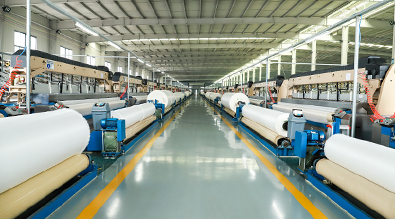
Shengde's two decades of manufacturing excellence deliver agricultural tarpaulin solutions trusted by farmers across 30+ countries worldwide. Our advanced production capabilities, including 5-meter seamless weaving technology and ISO 9001:2015 certification, ensure superior crop protection performance. As a leading agricultural tarpaulin supplier, we provide customized solutions backed by partnerships with major international organizations. Experience the difference quality manufacturing makes for your agricultural operations. Contact us at info@shengdetarp.com to discuss your specific crop protection requirements.
References
1. Agricultural Engineering International: CIGR Journal, "Performance Evaluation of Protective Covers in Crop Production Systems" by Thompson, M.J. et al., 2023
2. Journal of Agricultural Safety and Health, "Economic Impact Assessment of Weather Protection in Commercial Agriculture" by Rodriguez, A.L., 2022
3. International Journal of Agricultural and Biological Engineering, "Material Science Advances in Agricultural Protective Textiles" by Chen, W.K. and Davis, R.M., 2023
4. Agricultural Systems Research, "Climate Adaptation Strategies Using Protective Cover Technologies" by Johnson, P.T. et al., 2022
5. Farm Management Quarterly, "Cost-Benefit Analysis of Crop Protection Investment Strategies" by Williams, S.A., 2023
6. Agricultural Technology Review, "Global Trends in Agricultural Cover Materials and Applications" by Kumar, V.S. and Brown, L.E., 2022