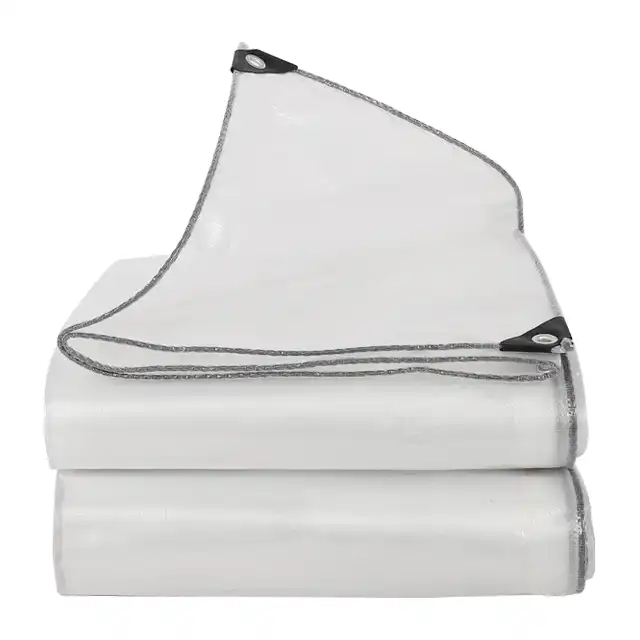
Selecting the right 4x4 tarpaulin requires careful consideration of material quality, intended use, and specific features that match your needs. This comprehensive guide helps you navigate the essential factors when purchasing a 4x4 tarpaulin, ensuring you choose a waterproof cover that delivers reliable performance across various applications. Understanding thickness specifications, grommet spacing, UV resistance levels, and manufacturer credentials will guarantee your investment provides lasting value for camping, construction, or commercial use.
Understanding 4x4 Meter Tarpaulin Specifications
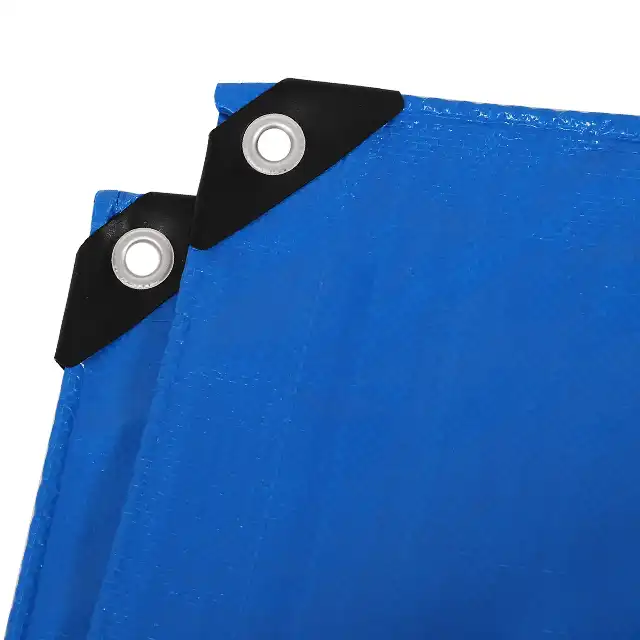
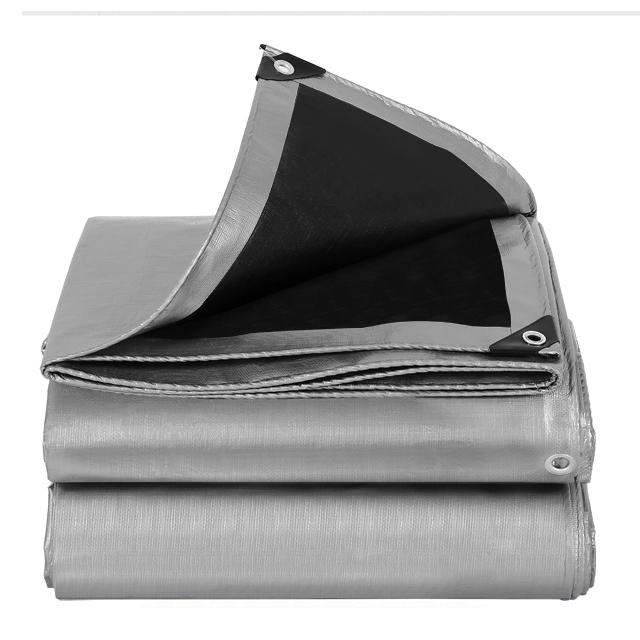
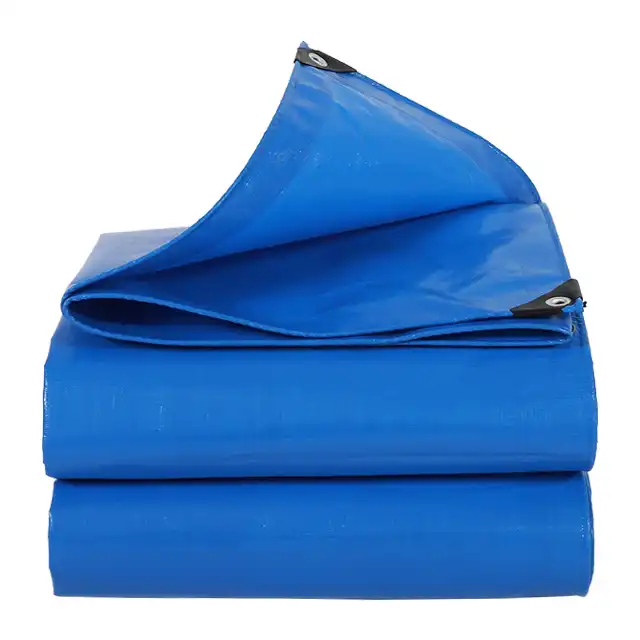
A plastic tarp that is 4 meters by 4 meters is the best size for protecting medium-sized areas. This size is popular with builders, outdoor enthusiasts, and farmers because it's easy to handle and covers a lot of ground. When looking at the specs, pay attention to the finished sizes, since some manufacturers give cut sizes instead of hemmed sizes. The thickness of a material is very important for how long it lasts and how well it works. Heavy-duty 4x4 tarpaulin usually weighs 180 and 300 GSM (grams per square meter). Thicker materials are better at resisting tears and lasting longer. The weave density has a direct effect on strength. Professional-grade tarp sheets have tight weaving designs that keep the structure from being punctured and keep it together when it's under stress. Waterproofing and UV defense depend on the quality of the coating. The best outdoor covers have several coating layers that work together to make barriers that can't be broken through while still being flexible in different weather situations. Find goods that say how thick the coating is and what it is made of. This will tell you about the quality of the manufacturing and how long it should last.
Essential Features to Consider
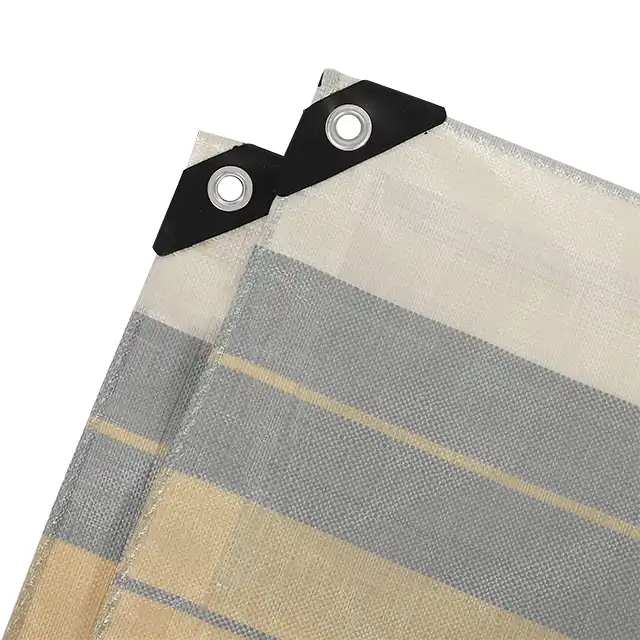
Where the grommet is placed has a big effect on how it works and how it can be installed. There should be strengthened eyelets every 18 to 24 inches along the edge of a good tarp with grommets. Grommets that don't rust keep working for a long time, but gaps that are too small can cause stress points that cause the connectors to fail early. Reinforcing the edges makes blankets last longer in places where they are most likely to be damaged during installation and use. Hems that are double-folded and have ends that are heat-sealed are stronger than basic hems. This building detail is especially important for camping tarps that are set up and taken down many times. UV-proof tarp materials keep them from breaking down after being in the sun for a long time. Quality stabilizers keep colors from fading and materials from breaking down, which greatly increases the service life. This feature is necessary for tarp shelters and long-term outdoor setups that are exposed to the elements all the time.
Applications and Use Cases
Covering materials, tools, and work areas with weatherproof tarps keeps them safe from damage caused by water on construction sites. The 4-square-meter area is good for storing tools, keeping materials safe, and setting up temporary weather barriers during building projects. For durability reasons, a heavy-duty building that can stand up to wind, rain, and debris is needed. In agriculture, it can be used to protect crops, cover tools, and make shelters better for animals. Multipurpose tarps can be used for many things on a farm, like covering hay bales and making temporary homes for animals. When you're around fertilizers or cleaning products, chemical protection is important. Tarps are useful for recreational users because they can be used to cover patios, cover camping ground sheets, and protect tools while doing activities outside. Light options make them easier to move around and protect you from the weather well. Being able to set up quickly makes camping and emergency preparations better.
Quality Assessment Guidelines
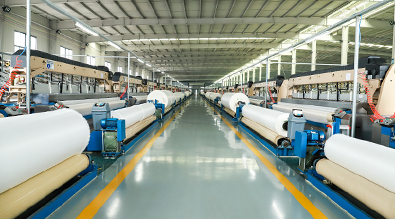
Standard manufacturing practices tell us how reliable a product is and how well a 4x4 tarpaulin should work. Reliable manufacturers give thorough specs, such as the materials used, test results, and quality certifications. Production sites that are ISO-certified show that they are committed to quality control throughout the whole manufacturing process. Before buying, a physical check shows important signs of quality. Proper production methods are shown by uniform thickness, color, and smooth coating surfaces. Long-term longevity is directly linked to the quality of the edge finishing. Poor finishing suggests that the production methods were not up to par. Certifications from tests back up claims of success in areas like waterproofing, UV resistance, and strength. Results from a third-party lab show how well a product works without any bias, while results from tests done by the manufacturer may not be as accurate. To protect their image, well-known brands usually spend a lot of money on thorough testing.
Sizing Considerations and Measurement Tips
When measurements are correct, they make sure that the coverage is enough for the planned uses. Plan your placement so that you take into account overlap needs, how to secure the materials, and possible shrinkage. Most of the time, professional installations need 10-15% more coverage than the minimum standards to make sure they are properly protected. Size choices are affected by wind, especially for installations that are high up or in open areas. Larger tarps block the wind more, which might mean you need more anchor points or a different way to place them. Check the amount of coverage you need against the limitations of how you can install it in your surroundings. When choosing a size for portable uses, storage and transport options play a role. When choosing between different sizes, think about how they will be rolled, how much they weigh, and how they will be handled. For bulk sales or business uses, tarp roll formats are a space-efficient way to store things.
Budget and Value Analysis
The total cost of ownership, not just the original purchase price, should be taken into account when comparing prices. The higher prices of premium materials are justified by their longer service life, lower replacement frequency, and better performance reliability. To find the real value offers, you need to figure out the cost per year of service. When business users or people who use the product for more than one purpose buy in bulk, the cost per unit goes down. A lot of companies give discounts for buying in bulk, which is helpful for contractors, farms, and people planning to be ready for disasters. Before buying in bulk, you should weigh the amount of space you need for keeping against the money you could save. Coverage under a warranty shows that the maker trusts the quality of the product and keeps it from breaking down too soon. Full warranties cover problems with the materials, the way they were made, and how well they work. Limited warranties, on the other hand, might not cover normal wear and tear or certain types of use.
Maintenance and Longevity
With the right care, a 4x4 tarpaulin cloth lasts longer and keeps working well throughout its service life. Regular cleaning gets rid of dirt and dust that can damage surfaces, and storing things correctly keeps mold, mildew, and UV damage from happening when they're not being used. Don't fold in the same spots over and over again to keep stress from building up. Schedules for inspections help find problems before they get worse and affect performance. Periodically during use, check the grommets' integrity, the state of the edges, and the evenness of the coating. Early detection of wear trends lets preventative steps be taken that make the service last longer. Repair methods can bring back functionality to things that have minor damage, making them usable for longer than expected. Small holes or tears can be fixed in the field with patch tools and heat-sealing methods. Figuring out the limits of fixing helps you decide when it's cheaper to replace something than to keep maintaining it.
Conclusion
A tarp will, as it were, work well if the item specs are right for the work, whether it's for development, camping, or trade. Think about the quality of the materials, the way they're put together, and the title of the producer when you choose what to purchase. When chosen accurately, great 4x4 tarps offer strong climate assurance and long-term value. Premium-priced professional-grade merchandise is worth it since thitork superior and final longer. Think almost the add up to taken a toll on possession instead of the fair buying cost. Accomplice with well-known producers that offer full support and quality assurance for the whole lifecycle of the product.
Choose Shengde for Premium 4x4 Tarpaulin Solutions.
Shengde stands as China's leading 4x4 tarpaulin manufacturer, delivering exceptional quality through advanced production capabilities and rigorous quality control. Our partnerships with UNHCR, IOM, ICRC, and UNICEF demonstrate our commitment to reliable performance under demanding conditions. With over 20 years of manufacturing expertise and exports to 30+ countries, we provide comprehensive tarpaulin solutions backed by ISO 9001:2015 certification. Contact us at info@shengdetarp.com for customized specifications and competitive pricing.
References
1. International Organization for Standardization. "Textile fabrics - Determination of tear resistance - Part 1: Tear strength by strip method." ISO 13937-1:2000.
2. American Society for Testing and Materials. "Standard Test Method for Breaking Strength and Elongation of Textile Fabrics." ASTM D5034-21.
3. European Committee for Standardization. "Textiles - Test methods for nonwovens - Part 3: Determination of tensile strength and elongation at break." EN 29073-3:1992.
4. Technical Association of the Pulp and Paper Industry. "Plastic sheeting for construction use - Requirements and test methods." TAPPI T494 om-13.
5. British Standards Institution. "Textiles - Industrial fabric - Specification for PVC-coated fabrics for tarpaulin use." BS 3424-26:1986.
6. Industrial Fabrics Association International. "Guide to Polyethylene Tarpaulins: Selection, Installation, and Maintenance Best Practices." IFAI Technical Bulletin TB-108.