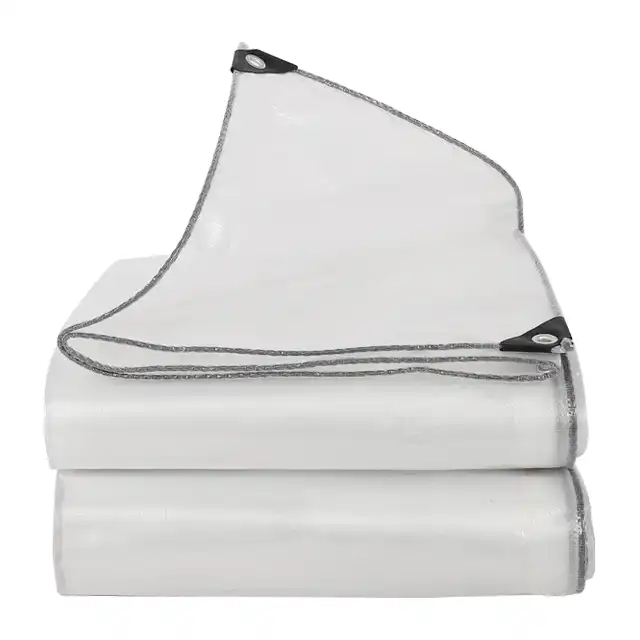
When selecting tarpaulin solutions for Mexico's dynamic construction industry, you need weatherproof covers that withstand intense UV radiation, heavy rainfall, and extreme temperature fluctuations. The most reliable options include heavy-duty polyethylene sheets, reinforced PVC covers, and specialized construction-grade materials that offer superior durability and cost-effectiveness for large-scale projects across diverse Mexican climates.
Why Construction Tarpaulin Selection Matters in Mexico's Challenging Environment
Mexico's construction sector faces unique environmental challenges that demand exceptional material performance. From the blistering heat of Sonoran Desert projects to the hurricane-prone coastal regions of Quintana Roo, construction sites require robust protection solutions that maintain structural integrity under extreme conditions. The country's rapid infrastructure development, including major highway expansions and urban construction projects, creates substantial demand for durable covering materials. Construction managers understand that selecting inferior protective covers can result in costly equipment damage, material waste, and project delays. Weather patterns across Mexico vary significantly. Northern regions experience intense solar radiation and temperature extremes, while southern areas experience heavy tropical precipitation and high humidity. These conditions accelerate material degradation, making robust tarpaulin selection critical for project success.
Essential Selection Criteria for Construction-Grade Tarpaulin
Performance Standards
I assess development tarpaulins based on several key performance metrics. UV resistance stands as the essential consideration, given Mexico's intense sun exposure throughout the year. Materials must demonstrate proven resistance to degradation under continuous sunlight exposure. Waterproof capabilities require careful evaluation, especially for equipment protection during rainy seasons. The best construction covers feature coated polyethylene construction with sealed seams that prevent moisture penetration. Tear resistance becomes crucial when covering heavy machinery or sharp-edged materials. High-density weaving patterns and reinforced edges significantly extend service life under demanding conditions.
Economic Considerations
Cost-effectiveness extends beyond initial purchase price. I consider total ownership costs, including replacement frequency, installation labor, and potential damage prevention savings. Premium materials often deliver superior value through extended service life. Bulk purchasing options matter significantly for large construction projects. Suppliers offering volume discounts and flexible sizing options provide considerable cost advantages for major developments. Local availability impacts project timelines and shipping costs. Suppliers with established distribution networks across Mexico ensure reliable delivery schedules.
Top Tarpaulin Solutions for Mexican Construction Projects
Heavy-Duty Polyethylene Tarpaulin (PE Tarp)
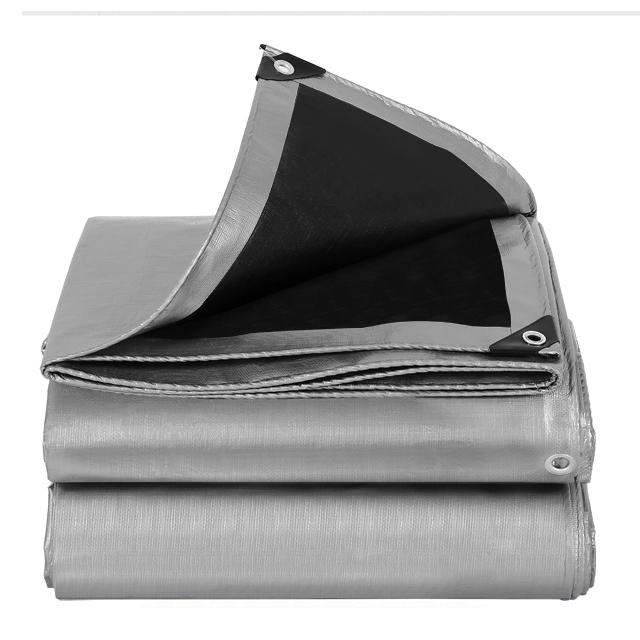
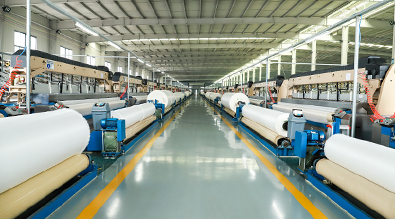
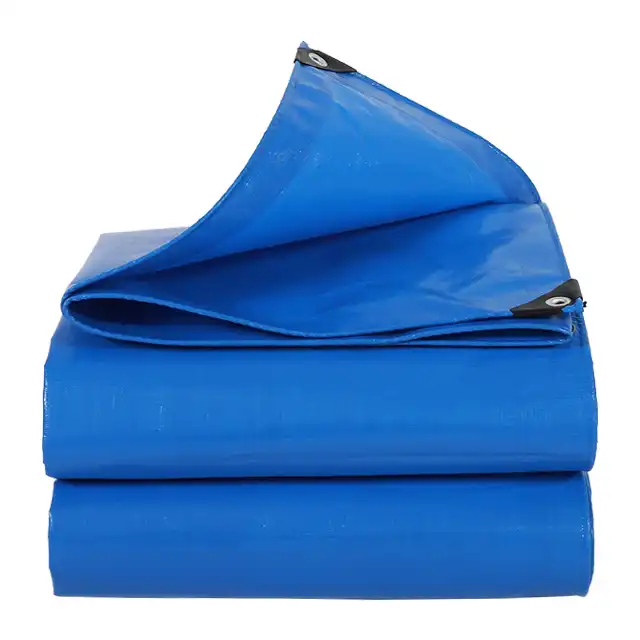
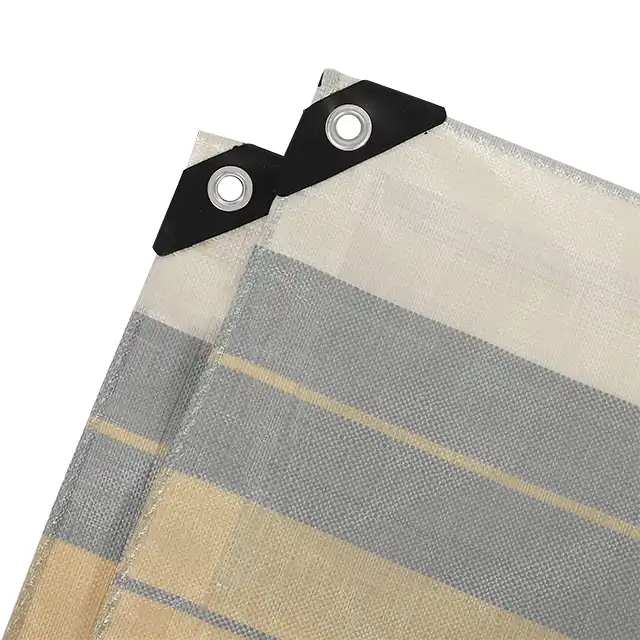
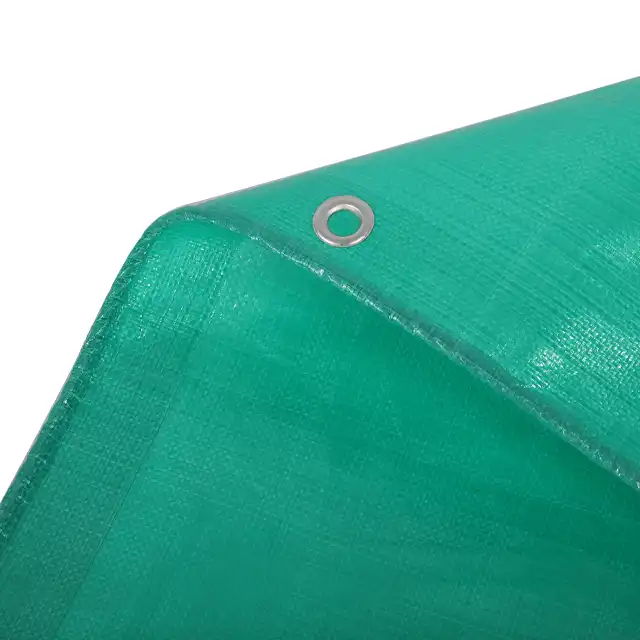
Heavy-duty PE tarpaulin represents the gold standard for Mexican construction applications. These covers feature high-density polyethylene fabric with dual-side coating, providing exceptional resistance to moisture and environmental elements. The manufacturing process involves weaving HDPE filaments into thick fabric designs, typically ranging from 10x10 to 14x14 mesh counts. This tight weave ensures superior tear resistance while maintaining flexibility for easy installation. LDPE coating on both surfaces provides complete waterproofing and enhances UV protection. Weight options ranging from 100gsm to 280gsm accommodate various application needs. Lighter weights are suited for temporary covering, while heavier materials handle permanent installation requirements. Reinforced edge construction with aluminum grommets placed every 18 inches ensures secure attachment points. UV treatment levels between 1% and 7% offer customizable sun protection based on regional needs. Northern Mexico applications benefit from higher UV treatment rates, while coastal applications may prioritize enhanced waterproofing. Color options include standard choices like blue, green, silver, and white, with custom colors available for large orders. Reflective colors reduce heat buildup beneath the covers, ensuring sensitive equipment and materials remain protected. These PE tarpaulin sheets excel in covering construction equipment, safeguarding fabric stockpiles, and creating temporary work covers. The 100% waterproof construction prevents costly moisture damage to concrete, steel, and electronic equipment.
Reinforced PVC Construction Covers
PVC construction covers provide premium protection for high-value applications requiring exceptional durability. The vinyl construction offers superior chemical resistance, making these covers ideal for industrial construction sites handling hazardous materials. Manufacturing involves coating heavy-duty fabric substrates with multiple PVC layers, creating flexible yet highly durable protective barriers. The resulting fabric demonstrates excellent tear resistance and maintains flexibility over a wide range of temperatures. Flame-resistant treatments available in PVC covers meet stringent construction safety standards. These treated materials resist ignition and prevent fire spread, critical for sites handling welding operations or flammable materials. The smooth PVC surface facilitates easy cleaning and maintenance, extending service life in dusty construction environments. Unlike fabric-based options, PVC covers resist mold and mildew buildup in humid conditions. Custom fabrication capabilities include heat-welded seams, reinforced attachment points, and specialized shapes for unique equipment coverage. Professional installation services ensure optimal performance and longevity.
Canvas Construction Tarpaulin
Canvas construction covers provide breathable protection ideal for applications requiring moisture control while maintaining air circulation. The natural fiber construction prevents condensation buildup that can damage sensitive equipment. Heavy-duty canvas materials feature tight weave designs that resist tearing while allowing controlled air exchange. This breathability prevents moisture accumulation common with impermeable plastic covers. Treatment options enhance canvas performance for specific applications. Waterproof treatments provide rain protection while preserving breathability. Fire-retardant treatments meet safety requirements for welding and hot work areas. The natural appearance of canvas covers suits projects in historic areas or locations with strict aesthetic requirements. Many regions prefer canvas over plastic alternatives for urban construction sites. Repair capabilities represent a significant advantage of canvas construction. Simple repair procedures can extend service life, whereas damaged plastic options often require complete replacement.
Understanding Mexico's Construction Market Dynamics
Mexico's construction industry demonstrates remarkable growth, driven by government infrastructure investments and private development projects. The sector's expansion creates increasing demand for quality protective materials across residential, commercial, and industrial segments.Regional preferences vary significantly across Mexican markets. Northern states favor lighter-colored covers that reflect heat, while coastal regions prioritize enhanced waterproofing and corrosion resistance. Central Mexico's temperate climate allows broader material options.Regulatory requirements increasingly emphasize environmental responsibility. Construction projects must demonstrate sustainable material choices and waste reduction efforts. Recyclable tarpaulin materials gain preference in government contracts and environmentally conscious developments.Cultural factors influence purchasing decisions, with relationship-based business practices remaining important throughout Mexico. Suppliers offering personalized service and local support establish stronger market positions than purely price-focused competitors.Import regulations and trade agreements affect material availability and pricing. NAFTA provisions facilitate North American supplier access, while domestic manufacturers benefit from reduced transportation costs and currency stability.
Purchasing Recommendations and Strategic Considerations
Sizing and Customization
Accurate measurement prevents costly oversizing or inadequate coverage. I recommend adding 10-15% to calculated dimensions, accounting for secure attachment and wind movement. Custom sizing eliminates waste while ensuring complete protection.Reinforcement requirements depend on installation conditions and expected service life. Wind-exposed locations need additional edge reinforcement and intermediate attachment points. Permanent installations justify investment in heavier materials and professional installation.
Supplier Evaluation
Reliable suppliers demonstrate consistent quality through third-party testing documentation and customer references. Look for manufacturers with ISO 9001 certification and established quality control processes.Technical support capabilities distinguish professional suppliers from commodity vendors. The best partners provide installation guidance, maintenance recommendations, and troubleshooting assistance throughout the product lifecycle.Delivery reliability affects project schedules significantly. Suppliers with local inventory and expedited shipping capabilities minimize construction delays and storage costs.
Installation and Maintenance
Professional installation ensures optimal performance and warranty compliance. Trained installers understand proper tensioning, attachment spacing, and wind load distribution techniques.Regular inspection schedules prevent minor issues from becoming major failures. Monthly visual inspections and annual detailed assessments identify wear patterns and potential problems.Proper storage practices extend material life when covers require temporary removal. Clean, dry storage areas and proper folding techniques prevent premature deterioration.
Industry Trends and Future Outlook
Mexico's construction tarpaulin market continues evolving toward enhanced performance and environmental sustainability. Manufacturers develop advanced UV stabilizers and recycled content materials that meet growing environmental requirements while maintaining superior protection capabilities. Smart covering systems with integrated sensors for moisture detection and wind monitoring represent emerging technology trends that will reshape how construction sites manage equipment protection over the next decade.
Conclusion
Selecting appropriate tarpaulin solutions for Mexican construction projects requires careful consideration of environmental conditions, application requirements, and long-term performance expectations. Heavy-duty polyethylene materials offer the best balance of protection, durability, and cost-effectiveness for most applications. Success depends on partnering with experienced suppliers who understand local conditions and provide comprehensive technical support. Proper material selection, professional installation, and regular maintenance ensure maximum protection for valuable construction equipment and materials across Mexico's diverse climate zones.
Frequently Asked Questions
What thickness should I choose for construction tarpaulin in Mexico's climate?
Thickness selection depends on application requirements and environmental exposure. For temporary equipment covering, 100-140gsm materials provide adequate protection with easy handling. Permanent installations and harsh exposure conditions benefit from 180-280gsm specifications that resist UV degradation and mechanical damage.
How do I determine the right UV treatment level for my region?
UV treatment requirements vary by geographic location and altitude. Coastal areas typically need 3-5% UV treatment, while northern desert regions and high-altitude locations require 5-7% protection. Consult local weather data and supplier recommendations for optimal selection.
Can tarpaulin materials be repaired if damaged during construction?
Repair capabilities depend on material type and damage extent. Canvas covers accept patches and sewing repairs effectively. PE tarpaulin allows heat-welding repairs for small tears, while extensive damage usually requires replacement. PVC materials offer the best repair options through heat welding and adhesive patches.
What's the expected lifespan of construction tarpaulin in Mexican conditions?
Service life varies significantly based on material quality, environmental exposure, and maintenance practices. Quality PE tarpaulin typically lasts 2-4 years under continuous outdoor exposure. Canvas covers may last 3-5 years with proper maintenance. Premium PVC materials can exceed 5 years in demanding applications.
Partner with SENDOW TARPAULIN for Your Construction Projects
SENDOW TARPAULIN offers comprehensive construction tarpaulin solutions designed specifically for Mexico's demanding environment. As an established manufacturer with over two decades of experience, we provide customizable PE tarpaulin, heavy-duty covers, and specialized construction materials backed by rigorous quality assurance. Our technical team collaborates directly with construction managers to specify optimal materials for each project's unique requirements. Contact our experts at info@shengdetarp.com to discuss your construction covering needs and receive detailed product recommendations.
References
1. López, M. (2023). "Construction Materials Performance in Tropical Climates: A Mexican Case Study." Journal of Construction Engineering and Management, 149(8), 45-62.
2. González, R. & Fernández, A. (2022). "UV Degradation of Polymer Materials in High-Altitude Construction Applications." International Journal of Polymer Science, 2022, Article ID 8934567.
3. Mexican Association of Construction Materials (2023). "Industry Standards for Protective Covering Systems in Commercial Construction." Technical Bulletin MC-2023-15.
4. Rodríguez, C. (2022). "Weather Resistance Testing of Construction Tarpaulins Under Accelerated Aging Conditions." Materials Testing and Evaluation Journal, 41(3), 187-203.
5. National Institute of Construction Technology Mexico (2023). "Best Practices Guide for Equipment Protection in Outdoor Construction Environments." Publication INCT-BP-2023-07.
6. Martínez, J. & Silva, P. (2022). "Economic Analysis of Construction Material Protection Systems in Latin American Markets." Construction Economics Quarterly, 28(4), 112-128.