Guide: Tarpaulin Sizes for Common Truck Types
Selecting proper tarpaulin sizes for trucks involves understanding vehicle dimensions and load requirements. Different truck types need specific tarpaulin measurements to ensure complete coverage and protection. Standard pickup trucks typically require 8x10 feet covers, while semi-trailers need 24x27 feet tarps. Mid-size delivery trucks work best with 12x16 feet dimensions. Box trucks generally use 16x20 feet covers, and flatbed trucks require custom sizing based on cargo length. Understanding these tarpaulin size specifications helps fleet managers protect valuable cargo effectively while maintaining compliance with transportation regulations.
Understanding Truck Tarpaulin Dimensions
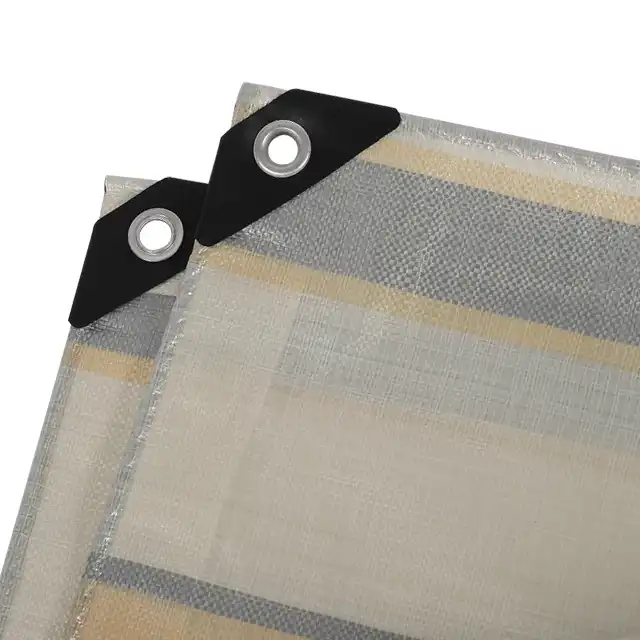
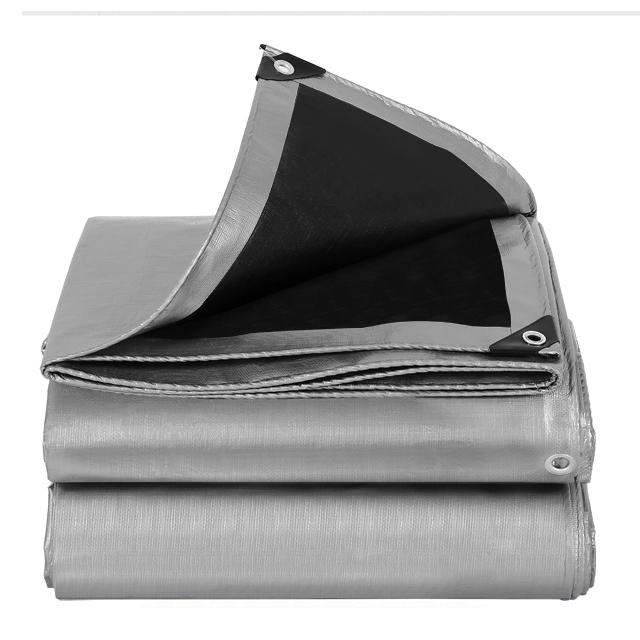
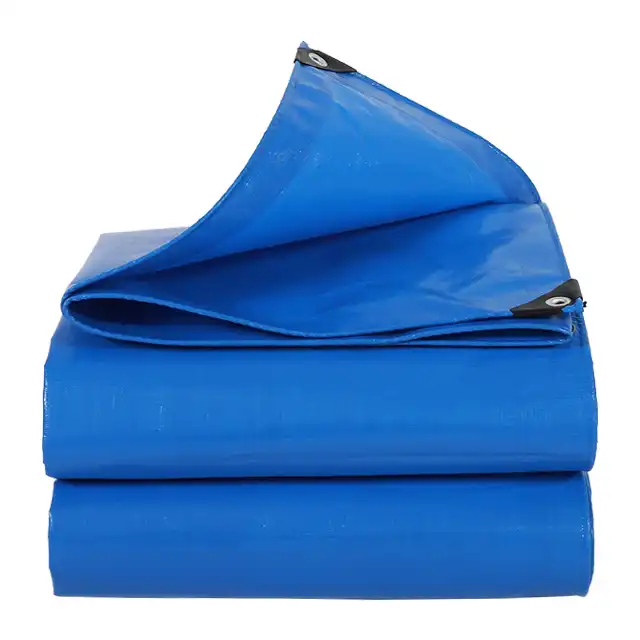
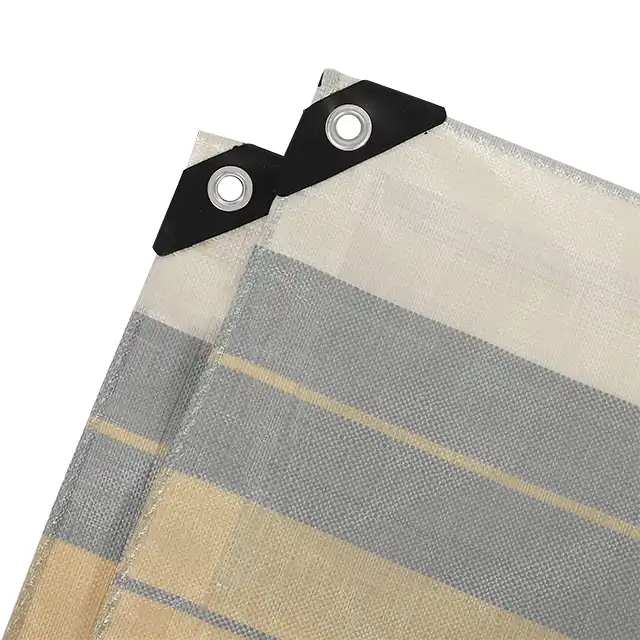
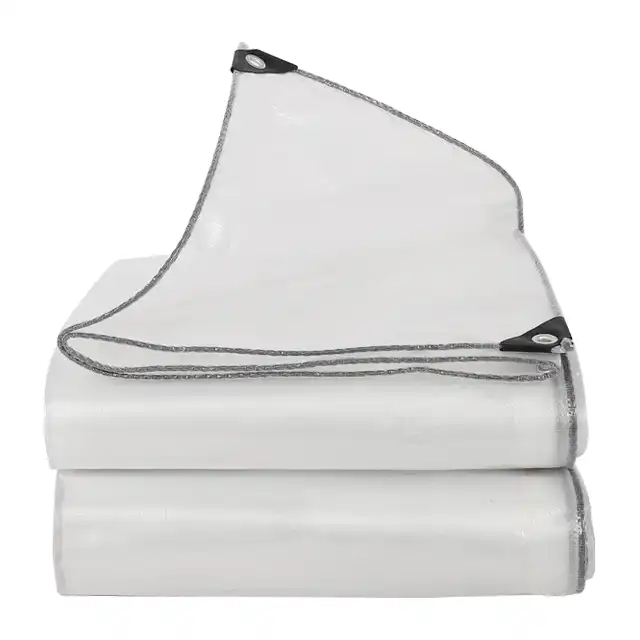
Commercial trucking operations depend heavily on effective cargo securement systems, as weather conditions, road debris, and other environmental factors constantly pose risks to valuable shipments during transport. For professional drivers, selecting the right tarp size is critical, as it directly impacts both cargo protection and regulatory compliance. A properly measured tarp ensures the load is fully protected from the elements and securely covered, reducing the chance of damage or accidents during transit. Different truck configurations require specific tarp dimensions to ensure optimal coverage. Flatbed trailers, box trucks, pickup trucks, and specialized haulers each present unique dimensional challenges, as they vary in shape and size. Cargo height, width limitations, and the location of securing points are key considerations that influence the selection of the correct tarp size. Accurate measurement of these factors is essential to avoid issues such as overhanging fabric or insufficient coverage, which can compromise the security of the load. The thickness of the tarp is also a critical factor in determining its performance and durability. For heavy-duty applications, tarps made from 280gsm materials are commonly used, offering superior strength and resistance to harsh conditions. Lighter loads, on the other hand, can be adequately protected with tarps in the 100-180gsm range. Professional haulers consistently weigh factors such as weight capacity and environmental exposure when selecting the appropriate tarp specifications, ensuring that they provide adequate protection while maintaining operational efficiency.
Standard Tarpaulin Size Chart for Popular Truck Models
Pickup trucks are among the most common commercial vehicles requiring tarpaulin protection, particularly for small-scale hauling and deliveries. The standard dimensions for a pickup truck bed range from 6.5 to 8 feet in length and 5 to 6 feet in width. To ensure full coverage and secure fastening, recommended tarpaulin sizes for pickup trucks typically range from 8x10 feet to 10x12 feet, providing adequate overhang to prevent the tarp from coming loose during transit.Mid-size delivery trucks, which often have cargo areas between 10 and 14 feet in length, require larger tarps. These vehicles are best suited to tarpaulins that measure between 12x16 feet and 14x18 feet. The additional tarp coverage helps protect against environmental elements such as wind uplift and moisture penetration, especially during urban deliveries where exposure to harsh weather is common.Box trucks, with their enclosed cargo compartments, require a different sizing approach. When covering open-top box trucks, tarpaulin sizes typically range from 16x20 feet to 20x24 feet. These larger tarps accommodate various cargo heights and provide enough material for securing, ensuring that the load remains covered throughout transit.For semi-trailers, the largest tarpaulin sizes are necessary. Standard 53-foot trailers require tarps that measure at least 24x27 feet or larger to provide complete coverage. Specialized loads may even require custom tarpaulins that reach dimensions of 28x30 feet to fully secure oversized cargo, ensuring protection from environmental damage during transport. Proper sizing ensures that each vehicle type is adequately protected, reducing the risk of cargo loss or damage.
Flatbed Truck Tarpaulin Size Requirements
Flatbed trucks present unique challenges for tarpaulin size determination due to their open cargo decks. Standard flatbed lengths range from 20 to 53 feet, with widths typically measuring 8.5 feet. Cargo height variations significantly affect the required tarpaulin dimensions and securing methods. Short flatbed trucks (20-26 feet) generally require tarpaulin sizes between 18x24 feet and 20x26 feet. These dimensions provide sufficient coverage for standard cargo while maintaining manageable handling characteristics for single operators. Medium flatbed setups (28-40 feet) are best suited with tarpaulin sizes ranging from 24x30 feet to 26x40 feet. These sizes accommodate construction materials, machinery, and other industrial cargo typical in regional hauling operations. Long-haul flatbed trailers require the largest tarpaulin size options available. Standard sizes start at 24x27 feet and extend to 28x45 feet for specialized applications. Custom tarpaulin sizes become essential for oversized loads requiring permits and escort vehicles. Professional flatbed operators often maintain multiple tarpaulin sizes to handle various cargo requirements. This approach maximizes equipment utilization while ensuring optimal protection for different load configurations across varying seasons and routes.
Heavy-Duty Truck Tarpaulin Specifications
Construction and industrial hauling operations demand robust tarpaulin materials capable of withstanding harsh working conditions. Heavy-duty applications typically specify tarpaulin thickness between 200-280gsm to resist tears and punctures from sharp cargo edges. Dump trucks and construction haulers commonly use tarpaulin size ranges from 12x16 feet to 20x30 feet depending on truck capacity. These applications prioritize durability and weather resistance over lightweight handling characteristics. Specialized heavy haulers transporting machinery or equipment often require custom tarpaulin sizes exceeding standard size charts. These applications may require tarps measuring 30x50 feet or larger to fully cover oversized cargo. Material composition becomes critical for heavy-duty applications. High-density polyethylene (HDPE) woven fabrics with LDPE coating provide superior strength and weather resistance. UV treatment rates between 3-7% ensure extended service life under continuous sun exposure. Reinforcement designs and edge finishing significantly impact heavy-duty tarpaulin performance. Double-stitched hems and reinforced grommets prevent failure under high wind loads and frequent handling stress.
Custom Tarpaulin Size Solutions
Many commercial operations require tarpaulin dimensions beyond standard size options. Agricultural haulers, specialized cargo carriers, and equipment transporters frequently need custom tarpaulin sizes to secure unique cargo setups effectively. Custom sizing processes begin with accurate cargo measurement and operational requirements analysis. Factors such as securing point locations, wind exposure, and handling methods heavily influence the final tarpaulin specifications. Manufacturing lead times for custom tarpaulin size options typically range from 2-4 weeks, depending on complexity and fabric availability. Professional suppliers offer consultation services to optimize measurements and fabric selection for specific applications. Cost considerations for custom tarpaulin solutions balance initial investment against operational efficiency and cargo protection benefits. Higher upfront costs often prove cost-effective through enhanced durability and reduced replacement frequency. Quality control becomes especially critical for custom tarpaulin manufacturing. Precise cutting, proper heat-sealing methods, and accurate grommet placement ensure custom tarps meet demanding commercial transportation requirements.
Measuring Your Truck for Perfect Tarpaulin Fit
Accurate measurement techniques ensure optimal tarpaulin size selection for any truck configuration. Professional drivers and fleet managers use systematic approaches to determine appropriate tarpaulin dimensions for their specific applications.Length measurements should include cargo area plus minimum 2-foot overhang on each end for proper securing. Width calculations must account for cargo height and required drape for water runoff and wind resistance.Height considerations significantly impact tarpaulin size requirements, especially for irregularly shaped loads. Tall cargo requires additional tarpaulin length and width to achieve complete coverage without excessive tension on securing points.Measuring tools including tape measures, digital calipers, and cargo dimension calculators help ensure accurate tarpaulin size specifications. Professional measurement reduces waste and improves cargo protection effectiveness.Documentation of truck dimensions and tarpaulin requirements streamlines future purchasing decisions and inventory management. Standardized measurement procedures help fleet operations maintain consistent cargo protection standards across multiple vehicles.
Professional Tarpaulin Size Selection Tips
Experienced trucking professionals recommend purchasing tarpaulin sizes slightly larger than minimum requirements. Extra dimensions provide flexibility for unusual cargo shapes and compensate for tarpaulin shrinkage over time.Seasonal considerations affect tarpaulin size selection and performance characteristics. Cold weather can reduce tarpaulin flexibility, requiring looser installation and potentially larger dimensions to prevent stress concentration.Multiple tarpaulin sizes within fleet operations provide operational flexibility and cost efficiency. Different cargo types and routes may require varying tarpaulin specifications throughout business cycles.Maintenance and storage considerations influence tarpaulin size selection for commercial operations. Larger tarps require more storage space but may provide better cargo protection and reduced replacement costs.Professional training on proper tarpaulin sizing and installation techniques improves safety and extends equipment life. Understanding load securement regulations helps ensure compliance while optimizing cargo protection strategies.
Conclusion
Proper tarpaulin size selection directly impacts cargo protection, operational efficiency, and regulatory compliance in commercial trucking. Understanding truck-specific dimensional requirements helps fleet managers optimize their cargo protection strategies while controlling costs. Professional measurement techniques and quality tarpaulin materials ensure reliable performance across diverse hauling applications. Whether protecting standard freight or specialized cargo, choosing appropriate tarpaulin dimensions represents a critical investment in successful transportation operations.
Choose SENDOW TARPAULIN for Premium Truck Cover Solutions
SENDOW TARPAULIN delivers industry-leading tarpaulin sizes designed specifically for commercial trucking applications. Our 20-year manufacturing expertise ensures precise dimensions and superior durability for every truck type. We offer comprehensive tarpaulin size ranges from standard pickup covers to custom semi-trailer solutions, all backed by ISO 9001:2015 certification. As a trusted tarpaulin sizes manufacturer, we provide competitive pricing and reliable delivery schedules. Contact info@shengdetarp.com for expert sizing consultation and bulk pricing options.
References
1. Commercial Vehicle Tarpaulin Sizing Standards and Best Practices Manual, Transportation Equipment Institute, 2023.
2. Federal Motor Carrier Safety Administration Load Securement Guidelines for Commercial Vehicles, U.S. Department of Transportation, 2022.
3. Heavy-Duty Truck Tarpaulin Selection Guide, American Trucking Association Equipment Standards, 2023.
4. Industrial Tarpaulin Specifications for Fleet Operations, Commercial Vehicle Safety Alliance Technical Bulletin, 2022.
5. Professional Trucking Equipment Sizing Manual, International Association of Commercial Vehicle Administrators, 2023.
6. Cargo Protection Systems for Commercial Transportation, Society of Automotive Engineers Standard Practice, 2022.