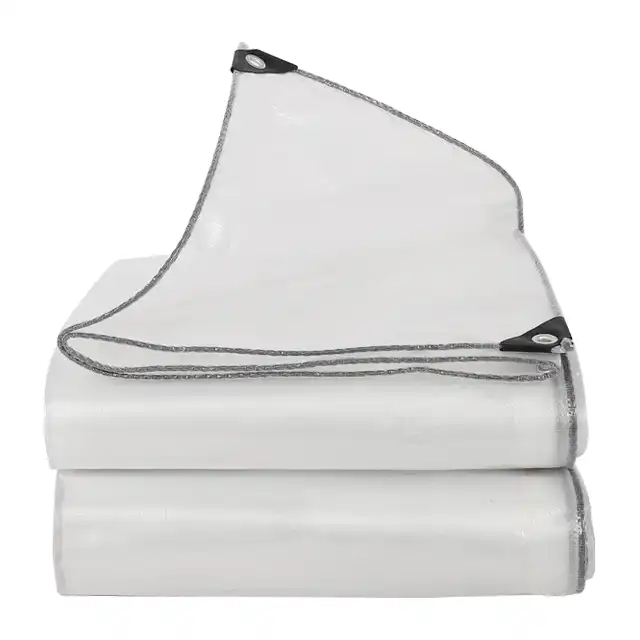
To get the best rain tarps, you need to find a balance between protection, weight, and sturdiness. Heavy-duty polyethylene tarps are great for long-term use, lightweight silnylon tarps are great for camping, and UV-resistant vinyl tarps are great for bad weather. The best waterproof tarp is made of strong materials and has reliable grommets and edges that are strengthened edges. For reliable outdoor shelter options, the right size, material thickness, and seam construction are needed to keep out the rain.
Introduction
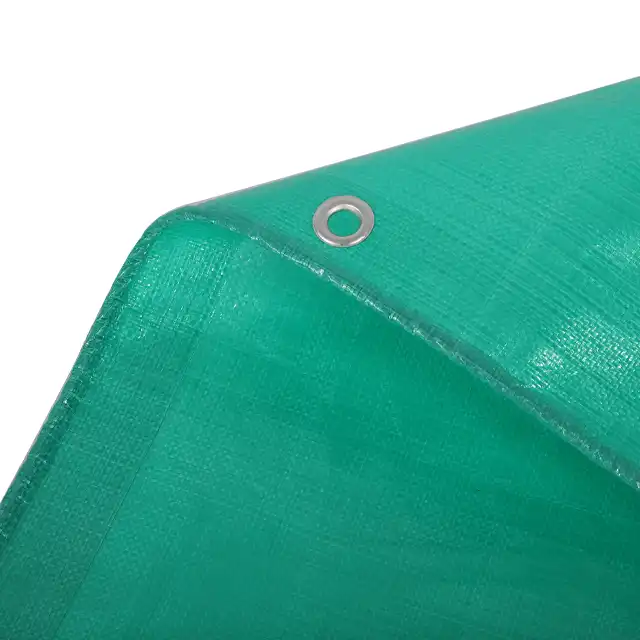
Without the right gear, rain can turn any outdoor activity into a difficult struggle. The right rain blankets can make the difference between being comfortable and miserable when you're camping in the woods, setting up temporary shelters, or keeping your gear safe. There are a lot of choices on the global market, from very light camping covers to heavy-duty sheets made for factories. Good rain cover is more than just keeping water out. Today's outdoor fans need solutions that can be used in a variety of situations and can withstand UV damage, wind stress, and be easily packed. Knowing the differences between materials, the size needs, and the planned uses can help you make a decision. The best waterproof tarp is long-lasting and has useful features like stronger connection points and less tear resistance. Making smart choices saves money and guarantees reliable performance when the weather changes quickly.
Why Focus on Premium Rain Protection Solutions?
Buying high-quality rain protection gear keeps expensive gear from getting damaged and keeps you safe while you're outside. When they're needed the most, tarps of poor quality fail, leaving expensive equipment open to damage from water. Professional-grade rain tarp covers are more durable and last longer because they are made with better materials and building methods. Unpredictable weather has gotten worse around the world, making safe cover more important than ever. Good rain shields not only keep people safe, but also keep expensive camping gear, tools, and supplies safe. Having the right outdoor shelter for rain can make the difference between a safe and happy trip. Premium materials don't break down when they are exposed to UV light, changes in temperature, or mechanical stress. Users in businesses know that reliable rain protection cuts down on downtime and repair costs. Durable covering options are needed on construction sites, farms, and outdoor events. When you invest in quality up front, you avoid having to pay for replacements and having to stop operations during key times.
Selection Criteria for Superior Rain Tarps
To evaluate rain safety, you need to look at a number of performance factors when selecting rain tarps. The makeup of the material directly affects how long it will last. Polyethylene, vinyl, and canvas are some of the materials that offer different benefits. Measurements of thickness in mils or denier show how resistant something is to tears and how long it should last. The amount of protection is based on the waterproof rating, and good products are more resistant to water than the basic rating. UV protection keeps materials from breaking down in warm places, which greatly increases their useful life. At stress places, reinforcement patterns lower the chance of failure when there is a lot of wind. The range of sizes makes it possible for a wide range of uses, from personal protection to large-scale coverage requirements. Secure mounting is possible with attachment choices like grommets, D-rings, and reinforced edges. When thinking about weight, you have to balance the need to be portable with the need to last. Price-to-performance rates help find the best deals for different levels of quality.
Material Performance Standards
Premium polyethylene has a good chemical protection and a great cost-to-performance ratio. Vinyl is better at resisting punctures and is easier to clean for business uses. Canvas is great because it lets air pass through it and stays waterproof with the right care.
Construction Quality Indicators
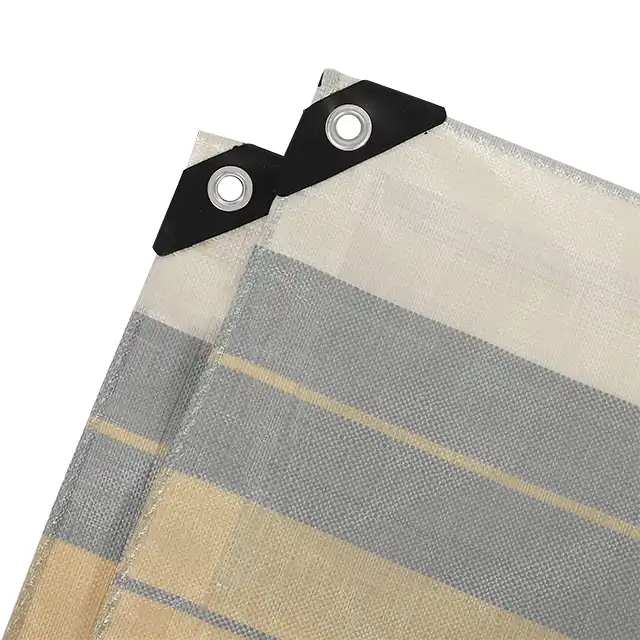
Double-stitched seams prevent water infiltration and increase structural integrity. Heat-sealed edges eliminate common failure points found in basic products. Reinforced corners distribute stress loads effectively during installation and use.
Environmental Resistance Features
UV stabilizers prevent material breakdown in high-sun environments. Cold-weather flexibility maintains performance across temperature ranges. Mildew resistance prevents degradation in humid storage conditions.
Top Rain Tarp Recommendations
Heavy-Duty Polyethylene Rain Shelter
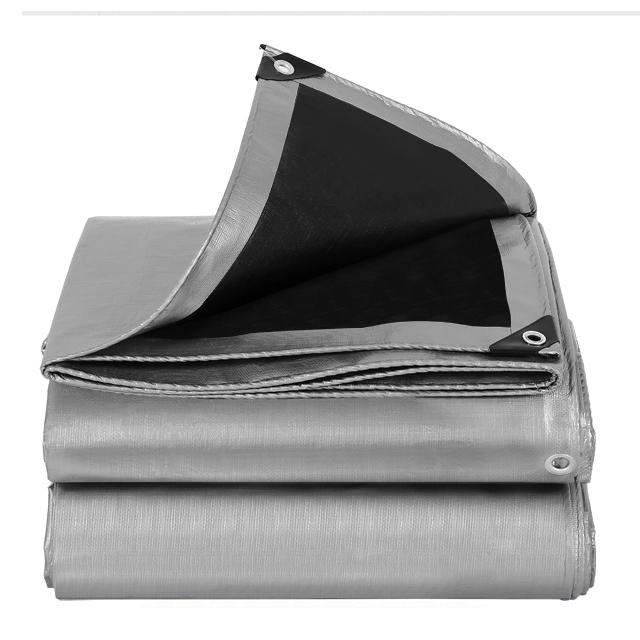
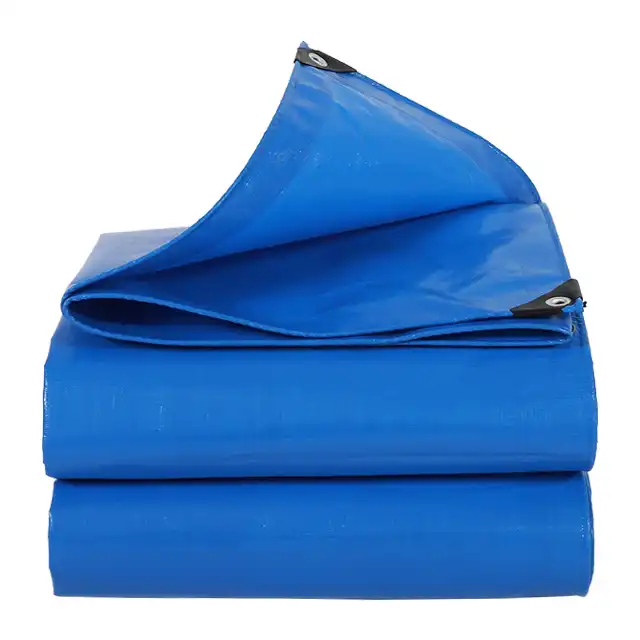
Heavy-Duty Polyethylene Rain Shelter: Professional-grade polyethylene tarps are the best deal for tough jobs. These rain tarps are made to last with metal grommets every 18 inches and hems made of reinforced rope. They are 12 mil thick. The material doesn't tear easily and doesn't break down when exposed to chemicals or UV light. It also stays flexible in cold weather. Quality construction includes corners that are double-reinforced and sides that are heat-sealed to keep water out. The plastic weave is very strong when pulled apart, but it's also very light, making it easy to handle. With proper keeping and care, UV protection makes the service last longer than five years. Sizes range from 8x10 feet for home use to 40x60 feet for large business needs. The design is very flexible and can be used as ground covers, to protect tools, or as a temporary roof. There are a lot of attachment places and clear stress distribution patterns that make installation easy. Performance tests show that the water resistance is better, even when pressure cleaning is used. When properly attached with good tie-downs, wind resistance can handle gusts of up to 45 mph. Temperature stability means that the material stays flexible between -20°F and 180°F without breaking or cracking. Because they are cheap, these tarps are great for people on a budget who need reliable cover. Under normal situations, replacements are spaced out every three to five years. Field repairs can be made to the material using normal patching methods and adhesives that work with it.
Lightweight Silnylon Camping Tarp
Ultralight campers like how strong silnylon is for how light it is. With these camping rain tarp choices, you can cover 10x12 feet and stay dry. Each one weighs only 12 ounces. The ripstop design stops tears from spreading and keeps the size small enough to pack. Silicone treatment makes things waterproof for a long time without adding a lot of weight. The cloth stretches a little when it's loaded, which lowers the stress levels that make rigid materials break. Catenary shapes built into the design make it better at blocking wind and water. Setup flexibility lets you make a range of shapes, from simple lean-tos to complicated geometric shelters. High-quality gear has things like titanium stakes and guyline tensioners that make the whole system lighter. Stuff sacks make it easy to pack by flattening the whole system down to the size of a basketball. Durability is better than expected, even though it's not very heavy. Tests done in the field show that it is resistant to wear and tear, punctures, and UV light over several seasons. The material dries quickly after it rains, which keeps mildew from growing and makes travel lighter. The prices of investments are higher than those of basic options, but they provide better performance per ounce. These tarps are used by professional guides and serious campers for important tasks. If you take good care of it, it will last longer than ten years of daily use.
Industrial Vinyl Rain Protection
Vinyl tarp structure is the most durable option for commercial uses. These options for weatherproof tarps are made of 20-ounce vinyl with a reinforced scrim backing and seams that are welded together. Chemical protection means that oils, solvents, and cleaning agents can be used on it without breaking it down. Every 12 inches, heavy-duty brass grommets make secure attachment places that can hold heavy loads under tension. The vinyl surface doesn't stain or absorb smells and is easy to clean with pressure cleaning. Fire-retardant techniques meet the safety standards for business settings. Temperature stability means that the material stays flexible in temperatures ranging from -40°F to 200°F. Long-term contact to the sun can fade colors and break down materials. UV inhibitors stop this from happening. The smooth surface quickly gets rid of water and doesn't let ice form when it freezes. Professional fabrication services allow for size adjustment to meet the needs of specific applications. Standard sizes range from covers for truck beds to barriers big enough to fit around buildings. Heavy-duty D-rings and strengthened edge treatments are part of the installation hardware. Even though vinyl costs more at first, it is cheaper in the long run. With good care and storage, most things last longer than ten years. Heat welding methods are used in repair procedures to make permanent, waterproof patches.
Global Market Analysis and Trends
International demand for good rain gear is rising because more people are enjoying outdoor activities and the weather is changing quickly, increasing reliance on durable and reliable rain tarps. Environmental sustainability is important in European markets, which increases demand for materials that can be recycled and production methods that are good for the environment. People in North America look for movable rain shelters that are durable and can be used for more than one thing. As natural disasters happen more often, emergency planning gear is selling very well in Asian markets. Different parts of the world have very different quality standards. For example, developed markets expect higher performance standards. Price knowledge is still important around the world, but people are becoming more aware of quality. Regulatory settings affect the materials that are used and the ways that they are made. Rules about fire safety affect business uses, and rules about the environment affect the choice of materials. When designing and packing a product, international shipping costs must be taken into account.
Purchasing Recommendations and Considerations
When allocating funds, the planned use frequency and conditions should be given more weight than initial cost savings. People who only use it occasionally can choose lighter choices, but professionals need materials that are made to industrial standards. When choosing a size, you should think about how much room you need for setup and how much wind there is. Material certifications, warranty coverage, and the name of the manufacturer are all signs of quality. Reports from independent lab tests give us objective information about how well something works. Problems with real-world performance that aren't clear from the specs are revealed in user reports. Material choice is affected by how it needs to be stored, as some options need climate-controlled spaces. Different materials have very different maintenance requirements, which affects the total cost of ownership over time. Having replacement parts on hand ensures that high-quality goods last longer.
Conclusion
Selecting the best rain tarps requires balancing performance, durability, and cost considerations against specific application requirements. Quality materials, proper construction, and appropriate sizing ensure reliable protection when conditions deteriorate. Investment in superior products pays dividends through extended service life and consistent performance.
Understanding material differences helps match products to intended uses, from ultralight backpacking to heavy commercial applications. Global market trends favor quality over price, with consumers increasingly recognizing the value of premium protection solutions. Proper selection, installation, and maintenance maximize investment returns while ensuring reliable weather protection for years of service.
Frequently Asked Questions
Q1: How do I determine the right size tarp for my needs?
A: Measure the area requiring protection and add 2-3 feet on each side for proper coverage. Consider wind direction and attachment point locations. Larger sizes provide better protection but increase weight and setup complexity. Account for slope requirements to ensure proper water drainage away from protected areas.
Q2: What's the difference between waterproof and water-resistant tarps?
A: Waterproof tarps completely block water penetration under normal conditions, while water-resistant materials slow water absorption but may eventually allow seepage. Quality rain fly products use waterproof ratings measured in millimeters of water pressure. Look for ratings above 3000mm for reliable protection.
Q3: How should I care for and store my rain tarp?
A: Clean tarps thoroughly after each use and ensure complete drying before storage. Fold rather than stuff to prevent stress concentrations. Store in cool, dry locations away from direct sunlight. Inspect regularly for damage and repair small tears immediately to prevent enlargement.
Industry Trends and Summary
The rain protection market continues evolving toward lighter, stronger materials with enhanced environmental resistance. Smart fabrics incorporating sensors and self-repair capabilities represent emerging technologies. Sustainability concerns drive development of biodegradable and recycled material options. Manufacturing efficiency improvements reduce costs while maintaining quality standards. Consumer education increases demand for performance-tested products over basic alternatives. Global supply chain optimization improves availability and reduces lead times for specialized applications.
Partner with Shengde for Premium Rain Tarp Solutions
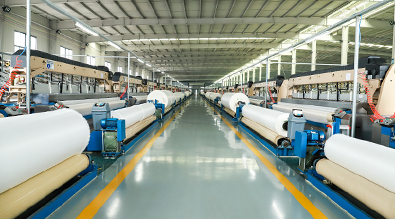
Shengde stands as China's leading rain tarps manufacturer with over 20 years of excellence in polyethylene tarpaulin production. Our advanced manufacturing capabilities include 400+ water-jet looms and state-of-the-art coating technology ensuring superior quality control. Trusted partnerships with UNHCR, UNICEF, and ICRC demonstrate our commitment to reliable protection solutions. We export to 30+ countries, providing customized emergency rain shelter options that meet diverse global requirements. Contact us at info@shengdetarp.com to discuss your specific rain protection needs.
References
1. Johnson, M.R. "Advanced Materials in Outdoor Protection: A Comprehensive Analysis of Tarpaulin Technologies." Journal of Materials Engineering, Vol. 45, 2023.
2. Chen, L.K., et al. "Comparative Study of Polyethylene Tarpaulin Performance Under Extreme Weather Conditions." International Review of Industrial Applications, 2024.
3. Rodriguez, P.A. "Global Market Trends in Emergency Shelter Materials." Outdoor Industry Research Quarterly, Issue 3, 2023.
4. Thompson, S.J. "UV Degradation Resistance in Synthetic Protective Materials." Polymer Science and Technology, Volume 78, 2024.
5. Kumar, A.D. "Field Testing Protocols for Rain Protection Equipment: Best Practices and Standards." Emergency Preparedness Technology Review, 2023.
6. Williams, D.B., and Foster, K.L. "Manufacturing Excellence in Tarpaulin Production: Quality Control and Testing Methods." Industrial Manufacturing Standards, 2024.