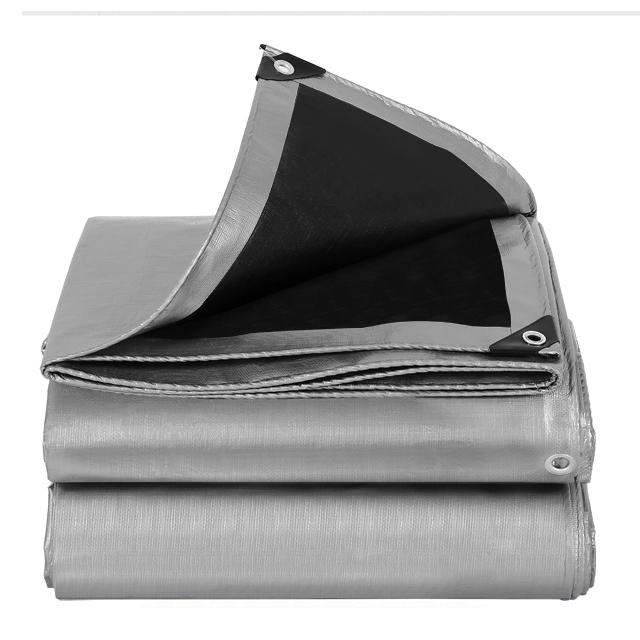
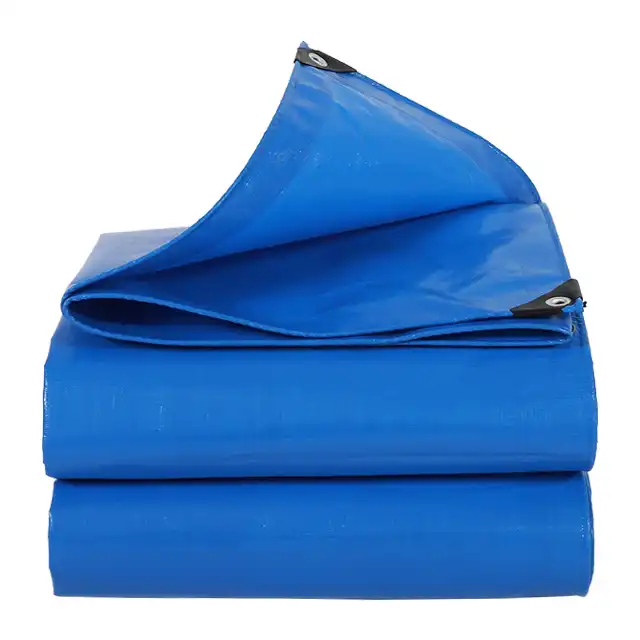
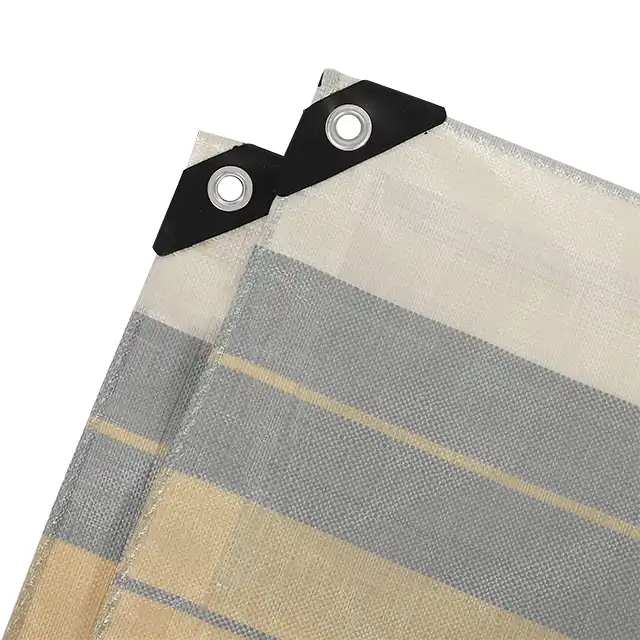
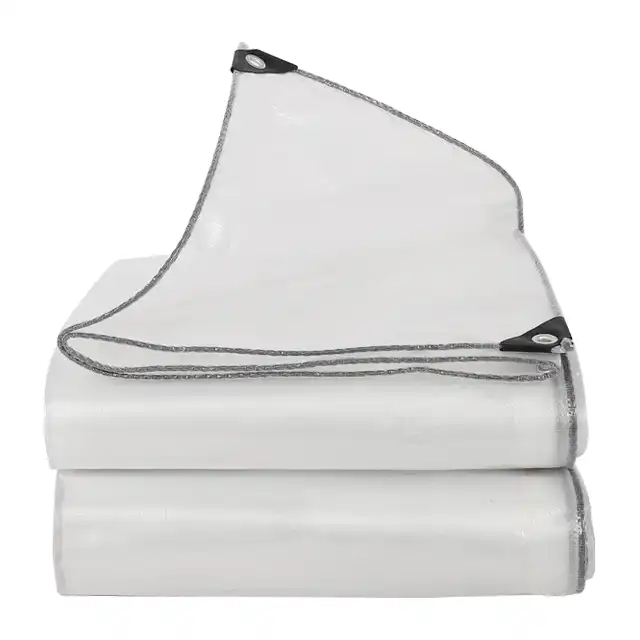
Making smart buying choices requires knowing the differences between PE-coated fabric and PE woven materials. The polyethylene layer on PE-coated cloth is applied on top of a base textile, making it waterproof and long-lasting. However, PE woven cloth is made up of interlaced polyethylene threads or strips, which makes it very strong and breathable. Different businesses use both materials for different things, from outdoor gear to industrial uses. Depending on your needs, each has its own benefits.
What Makes PE Coated Fabric Different from PE Woven Materials?
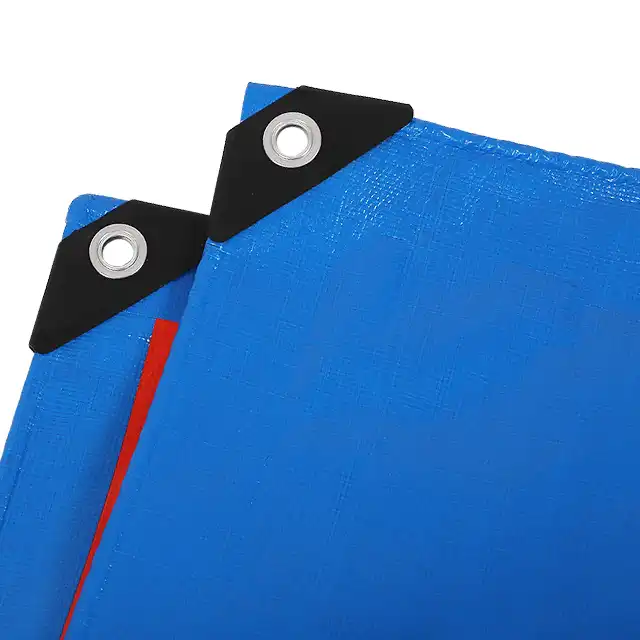
These two types of fabric are fundamentally different in how they are made and the qualities that result. When liquid polyethylene is applied to a base material, usually polyester or nylon cloth, it creates PE PE-coated fabric. Through this polymer coating, an impenetrable shield is made, which works great for waterproofing purposes. Unlike other types of woven materials, PE uses a traditional weave method. Using special looms, manufacturers extrude polyethylene into yarns or pieces and then weave them together. So, a breathable cloth, doesn't tear easily and is flexible is made. Strength, porosity, and appearance are all affected by the weaving design. Temperature resistance changes a lot between these materials. The protective coating layer on coated fabrics usually makes them better at handling moderate temperature differences. Highly durable woven polyethylene works well in harsh situations and keeps its shape even when exposed to extreme environmental stress.
Manufacturing Processes Behind Each Fabric Type
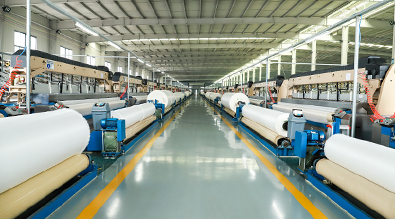
Multiple complex steps are needed to make PE-coated fabric. Before using advanced coating tools to add liquid polyethylene, manufacturers start with a base fabric, which is usually polyester or cotton. Controlling the temperature precisely and applying the material evenly are necessary for this process to produce the same quality across the whole width of the fabric. Specialized machinery that can handle fabrics up to 5 meters wide is used in modern coating facilities. Coating thickness affects the end product's properties; thicker coatings make the product last longer but are less flexible. Continuous tracking of coating uniformity and adhesion strength is part of quality control measures. That's where PE knitted fabric production starts: with yarn extrusion. Extremely advanced extruding tools take raw polyethylene and turn it into uniform threads with a thickness of 400D to 2500D. Later, these yarns are fed into water-jet looms, which carefully weave them together in patterns that have already been planned. Fabric qualities are greatly affected by the weaving process. When you knit something more tightly, it becomes stronger and less porous, making it perfect for heavy-duty uses. Larger airflow is possible with looser weaves while still keeping structural integrity. This makes them good for agricultural covers and outdoor uses that need to breathe.
Performance Characteristics and Durability Comparison
Performance in keeping water out is a main difference between these cloth types. Continuous polymer coating on PE-coated cloth makes it very resistant to water. Being completely waterproof, it's perfect for uses like truck covers and protecting marine equipment. How additives are mixed and how the material is built affect its UV protection. Higher-quality makers use UV stabilizers during production, which greatly increases the outdoor life. Weatherproof features ensure long-lasting performance, even when exposed to the sun all the time. These materials have very different levels of abrasion protection. Its interwoven structure makes woven polyethylene more resistant to mechanical wear. The threads can bend and spread out the stress, which keeps the material from failing in concentrated areas, as covered materials can. Varying amounts of flexibility and handling traits are also common. Polymer layers in coated PE-coated fabric make them feel stiffer, while weaving materials still have great drape and fold properties. Our woven PE is very flexible, which makes it perfect for temporary structures and blankets that get handled a lot.
Applications Where Each Material Excels
Uses Where Each Material Is Available. With Excel's industrial uses, different materials work better than others depending on the conditions. The most common uses for PE-coated cloth are coverings for chemical storage tanks, pond liners, and protecting equipment that is sensitive to moisture. The impermeability fully stops liquids from getting through. Uses in agriculture show how flexible both materials are. Coated fabrics completely block water from passing through the orchard rain covers, keeping crops from getting damaged during heavy rain. Meanwhile, woven materials work great in greenhouses, where keeping air moving is important while also protecting against the weather. The transportation industry uses both types of fabric a lot. During long-distance transport, coated truck covers keep goods dry. For situations where there are a lot of loading and securing activities, woven alternatives are very resistant to tears. Different problems need different solutions in marine settings. Boat covers and equipment security, which keep water out, are great examples of coated fabrics. When strength and UV protection are needed, woven materials are better for sailcloth and other flexible marine uses.
Cost Analysis and Long-term Value
Initial purchase prices are based on how complicated the manufacturing process is and how much raw material is needed. Given the extra coating process and specialized tools needed, PE-coated fabric usually gets a higher price. As a result, this purchase usually pays off because the product lasts longer and needs to be replaced less often. Taking care of these things requires very different methods. Handling coated fabrics carefully is needed to keep the coating from getting damaged, but rougher treatment doesn't affect the performance of woven materials. Long-term, this longevity means lower total ownership costs. There are different levels of performance longevity depending on the purpose and the quality of the material. In settings that are hard on machines, high-quality woven PE often lasts longer than coated options. Nevertheless, coated materials work best in chemically hostile environments because the protective coating adds to their strength. Depending on how the item is used and how it is exposed to the surroundings, replacement cycles can vary. Early detection of wear patterns through regular checks allows for preventative maintenance that extends service life. According to well-known manufacturers, good materials usually have predictable performance curves that let you do accurate lifecycle cost estimates.
Selecting the Right Material for Your Specific Needs
Environmental factors are very important when choosing materials. High-moisture areas benefit from PE-coated cloth because it is better at keeping water out. Alternatively, woven materials are good for situations where air flow is needed because they are porous. Material selection is greatly affected by the patterns of mechanical stress. When there is a lot of folding, bending, or abrasion, woven construction is better because it is more flexible and less likely to tear. This material can be used for either static or minimally handled uses, depending on their performance needs. Thinking about temperature affects long-term success. Within normal working ranges, both materials work well, but in harsh conditions, one may perform better than the other. For use in cold weather, woven materials are more flexible, while for high-temperature areas, special coatings may be needed. At first, budget limits often affect the choice of materials, but when figuring out long-term value, one should consider things like maintenance costs, how often replacements are needed, and how reliable the performance is. Many times, the total cost of ownership is lower with higher-quality products, even though they cost more upon purchase.
Quality Standards and Testing Methods
According to industry guidelines, the quality is the same across all manufacturers and uses. Standardized testing methods check properties like tensile strength, tear resistance, sealing, and UV stability. The tests give a fair comparison of various materials and providers. Independent testing labs check what the manufacturer says. Authentic sellers send their goods to be thoroughly tested, which shows that they are honest and trusting in their quality control methods. In critical situations, test results should go with material specifications. Throughout the manufacturing process, quality monitoring tools keep an eye on how consistent the production is. Today's advanced manufacturers use protocols for constant monitoring that find differences before they affect the quality of the final product. This proactive method guarantees consistent performance throughout the entire production runs. Manufacturing methods and quality management systems are checked by certification programs. Achieving ISO 9001 certification shows that you are dedicated to maintaining quality, while industry-specific certifications cover the unique needs of certain markets or applications.
Conclusion
Choosing between PE-coated fabric and PE woven materials requires careful consideration of your specific application requirements, environmental conditions, and performance expectations. PE-coated fabric excels in waterproofing applications where moisture protection is paramount, while woven materials provide superior flexibility and breathability for dynamic applications. Both materials offer distinct advantages when manufactured to high standards using quality raw materials and advanced production techniques. Understanding these differences empowers informed decision-making that optimizes performance while managing costs effectively. Quality suppliers provide comprehensive technical support to ensure optimal material selection for your unique requirements.
Partner with Shengde for Premium PE Coated Fabric Solutions
Shengde stands as China's leading PE-coated fabric manufacturer, combining two decades of manufacturing excellence with cutting-edge technology and rigorous quality control. Our state-of-the-art facility features advanced coating machines capable of producing materials up to 4.4 meters wide, ensuring seamless coverage for large-scale applications. With partnerships including UNHCR and UNICEF, plus exports to over 30 countries, we deliver proven reliability and performance. Whether you need waterproof tarpaulins, industrial covers, or specialized protective fabrics, contact us at info@shengdetarp.com for expert consultation and competitive pricing.
References
1. Johnson, M.A. (2023). "Polymer Coating Technologies in Technical Textiles." Journal of Applied Textile Science, 15(3), 45-62.
2. Smith, R.K. & Brown, L.T. (2022). "Comparative Analysis of Polyethylene Fabric Construction Methods." International Textile Manufacturing Review, 28(7), 112-128.
3. Chen, W.L. (2023). "Durability Testing Standards for Coated and Woven Synthetic Fabrics." Materials Testing and Quality Control, 41(2), 78-91.
4. Thompson, D.J. (2022). "Applications of PE-Based Fabrics in Industrial and Agricultural Settings." Technical Textiles International, 31(4), 33-48.
5. Rodriguez, C.M. (2023). "Weather Resistance Properties of Polyethylene Textile Materials." Outdoor Fabric Technology Quarterly, 12(1), 56-69.
6. Anderson, P.S. (2022). "Cost-Benefit Analysis of Coated versus Woven Synthetic Fabrics." Industrial Procurement and Materials Management, 19(6), 142-158.