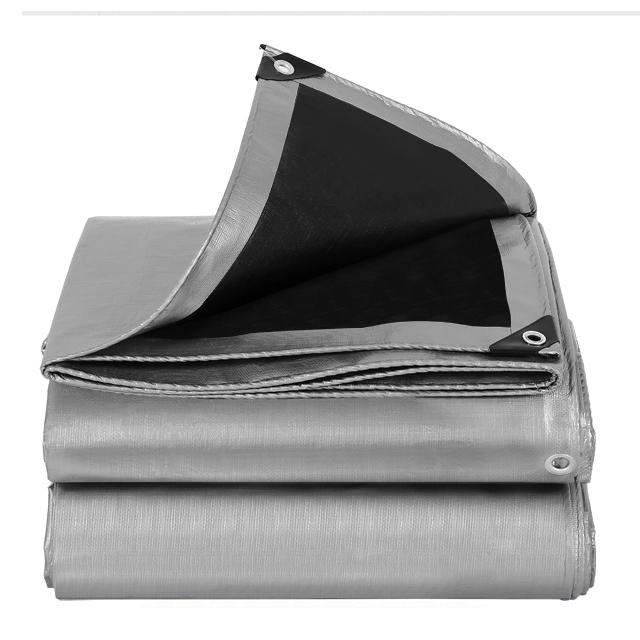
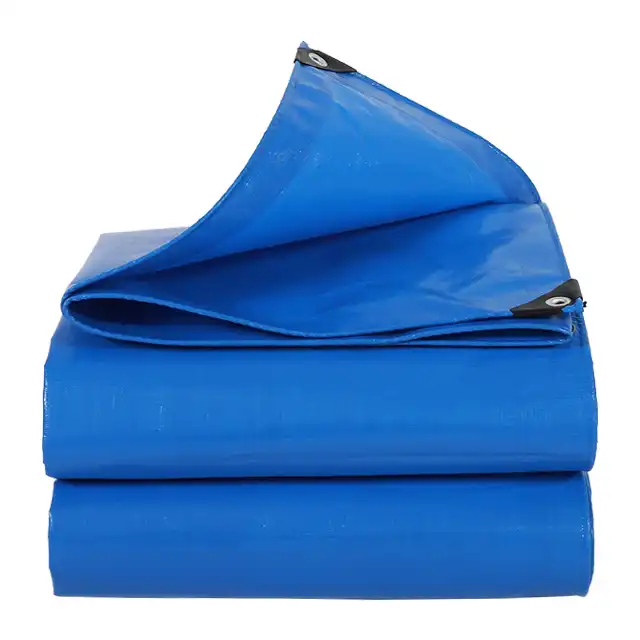
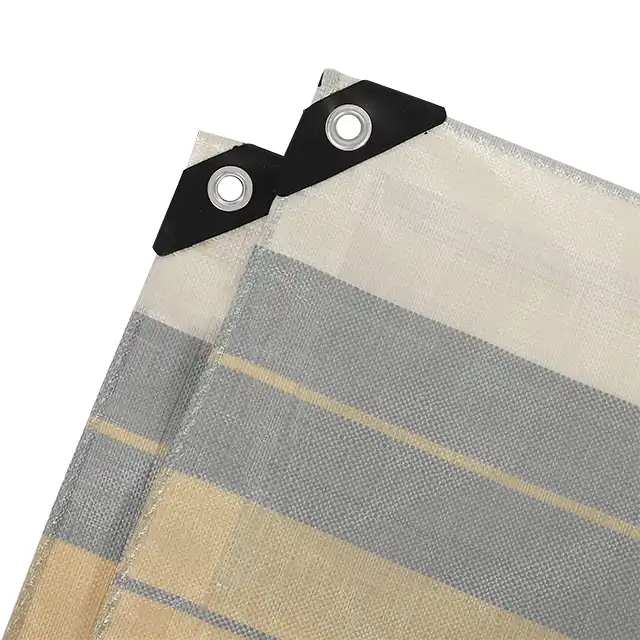
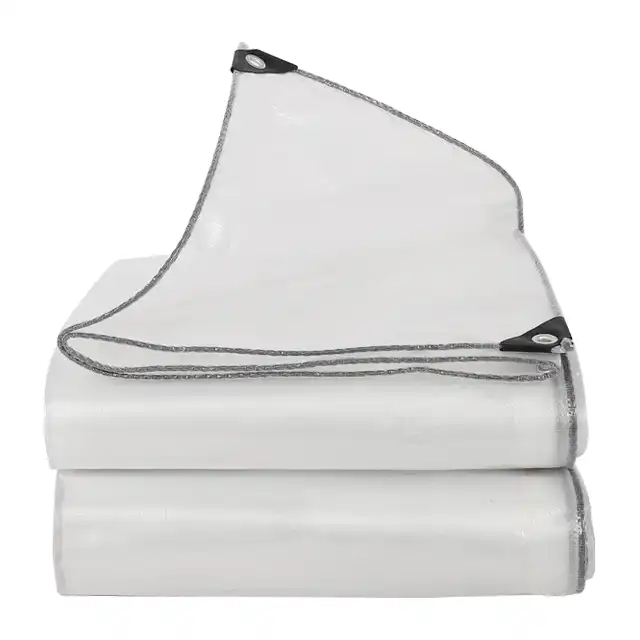
The best UV-treated tarps for hot climates combine superior sun protection with exceptional durability, making them essential for outdoor applications in harsh environments. These specialized covers feature advanced UV stabilization technology that prevents degradation from intense sunlight and extreme temperatures. Quality UV-treated tarps maintain their strength and flexibility even after prolonged exposure to scorching conditions, protecting valuable equipment, vehicles, and materials while delivering long-lasting performance that justifies the investment.
Why UV Protection Matters in Hot Climate Applications?
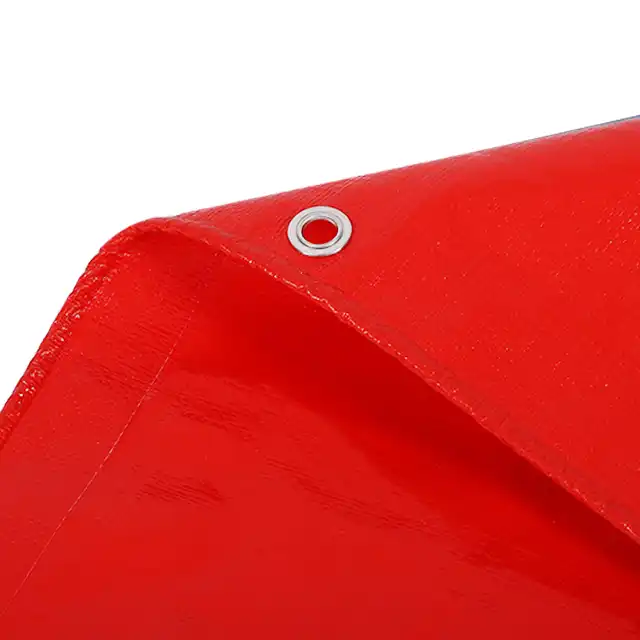
Specialized tarp solutions are necessary because of the specific problems presented by hot regions. Under strong UV light, standard polyethylene tarps quickly degrade and lose their structural integrity in a matter of months. The ideal environment for material breakdown is created by high temperatures and continuous sun exposure. In untreated materials, UV light breaks down polymer chains, resulting in color fading, brittleness, and cracking. At temperatures over 100°F, this degradation process speeds up significantly; hence, UV protection is essential for dependable operation. Chemical stabilizers used in high-quality UV-treated tarps absorb dangerous radiation before it can enter the material structure. These protective coverings are essential for industries that operate in arid, tropical, and sun-intensive conditions. Logistics firms, construction sites, and agricultural enterprises have found that investing in appropriate UV protection lowers replacement costs while preserving operating effectiveness.
Essential Selection Criteria for Hot Climate Tarps
A thorough assessment of many performance criteria is necessary when selecting the best waterproof tarps. The basis is the material composition, with high-density polyethylene providing better resistance against UV deterioration and heat stress. Durability is mostly dependent on thickness; heavy-duty tarps for demanding applications usually have a thickness of 12 to 16 mils. Longer service life and improved puncture resistance are two benefits of thicker materials, which are especially crucial for safeguarding delicate or costly equipment. Long-term performance in strong sunlight is determined by the concentration of UV stabilizer. Specialized chemicals found in high-end sun-resistant tarps neutralize damaging radiation while preserving material flexibility over a broad temperature range. Thermal expansion and wind stress have an impact on the structural integrity of reinforcement schemes. High-quality outdoor tarps have reinforced edges and thoughtfully positioned grommets to equally distribute load pressures and stop rips from spreading under severe weather conditions. Material Testing Standards. Accelerated aging techniques are used in industry-standard testing protocols to assess UV resistance. These studies provide accurate performance forecasts for real-world applications by simulating years of exposure under carefully monitored laboratory circumstances.
Material Testing Standards
Applications in hot climates need materials that resist thermal deterioration and maintain their flexibility at high temperatures. From -40°F to 180°F, high-quality UV-coated tarps retain their characteristics.
Temperature Resistance Requirements
Hot climate applications demand materials that remain flexible at high temperatures while resisting thermal degradation. Quality UV-treated tarps maintain their properties across temperature ranges from -40°F to 180°F.
Top UV-Treated Tarp Solutions for Extreme Conditions
Premium Heavy-Duty UV Stabilized Covers
Applications in hot climates need materials that resist thermal deterioration and maintain their flexibility at high temperatures. From -40°F to 180°F, high-quality UV-coated tarps retain their characteristics. Top UV-Treated Tarp Options for Harsh Environments: Superior Heavy-Duty UV Stabilized Covers. The latest in UV protection technology is represented by these industrial-grade polyethylene tarps. These coverings, which are made with virgin resin and powerful UV stabilizers, work remarkably well even in the most challenging conditions. The sophisticated polymer matrix is flexible in a wide range of temperatures and resists heat stress. Reinforced rope hems with metal grommets placed every 18 inches are important characteristics that provide strong, wind-resistant connection points. The tight weave pattern used in the tear-resistant fabric composition reduces wind load by preventing puncture propagation and permitting little air permeability. Applications include long-term material storage, agricultural equipment protection, and commercial buildings. These long-lasting tarps perform very well in desert regions where temperatures often rise beyond 120°F, preserving structural integrity over many seasons of continuous exposure. Multiple layers of UV-resistant chemicals are included in the waterproof coating system to provide an impenetrable barrier against moisture intrusion. Even if surface layers progressively deteriorate over time, our multi-layer strategy guarantees constant protection. The premium quality of these coverings is reflected in cost considerations, where a longer service life and fewer replacements balance the original outlay. These coverings are very cost-effective for important applications, with professional users reporting service lifetimes of over five years in harsh UV exposures.
Multi-Purpose UV Protection Systems
These all-weather tarps are designed to be versatile in a variety of applications while maintaining an affordable price point. For enterprises on a tight budget, the optimized material combination maintains a reasonable price while offering dependable UV protection. Heat-sealed seams that prevent leaks and reinforced corners that efficiently distribute stress loads are examples of construction characteristics. Regardless of the application requirements, the grommet spacing ensures safe installation by accommodating a variety of tie-down techniques, such as heavy-duty ropes and bungee cords. When dependable protection is required for a few weeks or months rather than years, these tarp coverings are ideal. The balanced performance characteristics are advantageous for emergency shelter applications, building site protection, and agricultural harvesting activities. Moderate amounts of stabilizing chemicals are included in the UV-resistant fabric to provide sufficient protection in the majority of hot climates. These covers provide good performance at reasonable price points, but they don't equal premium standards in harsh conditions. Periodic cleaning is enough to maintain peak performance, so maintenance needs are kept to a minimum. During cleaning operations, the smooth surface texture facilitates simple water drainage while preventing dirt buildup.
Specialized Mesh UV-Blocking Solutions
These cutting-edge mesh tarps are perfect for situations that need ventilation because they provide UV protection while permitting regulated airflow. Up to 90% of damaging UV radiation is blocked by the designed hole pattern, which also preserves breathability for temperature management. These shade tarps are very advantageous for agricultural applications since they shield crops and cattle from direct sunshine while avoiding the heat buildup that solid coverings cause. During the hottest summer months, the regulated light transmission promotes plant development while lowering heat stress. Reinforced edge binding, which keeps it from unraveling while preserving flexibility for simple installation, is one of the construction elements. When compared to conventional heavy-duty tarps, the lightweight construction makes handling easier and installation time shorter. Characteristics of durability include resistance to the formation of mold and mildew, which are crucial in humid locations where moisture retention becomes an issue. By encouraging air circulation, the open weave pattern helps to avoid moisture accumulation. Cost-effectiveness comes from using less material while still being able to provide protection. These specialty coverings work better in settings where airflow is advantageous and are often less expensive than solid counterparts.
Global Market Characteristics and Regulations
Different geographical climates and regulatory constraints result in different choices in international marketplaces. Demand for recyclable UV-stabilized tarps with little environmental effect during manufacture and disposal is driven by European markets' emphasis on environmental sustainability. Asian markets place a high priority on cost-effectiveness while maintaining sufficient performance criteria. There is a significant need for dependable construction tarps that can endure harsh tropical climates due to the quick industrial expansion in these areas. Performance extremes are the main emphasis of North American markets, with applications ranging from desert regions to Arctic climates. Innovation in material compositions that function well in a variety of environmental conditions is fueled by this diversity. Many commercial applications have fire-retardant criteria as part of their regulatory considerations. The selection of materials is influenced by building rules, which increasingly require flame-resistant materials for temporary buildings and equipment protection. Regional differences in quality standards are notable; certain markets need premium specs, while others tolerate lower-grade components. Comprehending these distinctions aids in the best possible product selection for certain regional needs.
Purchasing Recommendations and Implementation Strategies
Tarp selection success depends on matching material parameters to particular application needs. To create baseline performance standards, start by assessing the degree of UV exposure, anticipated service life, and financial limitations. Instead of focusing just on the initial purchase price, take into account the whole cost of ownership. Because they last longer and need fewer replacements, premium UV-treated tarps can provide better value, especially in harsh situations. Performance and lifespan are greatly impacted by installation methods. While proper drainage avoids water gathering, which may hasten deterioration, proper tensioning reduces material strain. For certain applications, a professional installation could make the extra expense worthwhile. Regular inspections for early damage identification and cleaning techniques that eliminate collected material should be part of maintenance programs. While preserving the best protective performance, basic preventative steps may greatly increase service life. When choosing a supplier, production capabilities, quality control methods, and the availability of technical assistance are all taken into consideration. More guarantee of consistent quality and dependable performance is offered by well-established firms with a track record of success.
Industry Trends and Future Developments
Nanoscale UV absorbers, which reduce material thickness while improving protection, are an example of how advanced polymer technologies are still developing. These developments offer cost efficiency and enhanced performance with less of an adverse effect on the environment. Sensors that monitor material stress levels and ambient variables are integrated into smart tarp technology. By optimizing replacement schedules based on actual performance rather than predicted performance, these systems provide early warning of possible breakdowns. The development of bio-based UV stabilizers that preserve protective effectiveness while lowering reliance on chemicals generated from petroleum is fueled by sustainability efforts. These eco-friendly substitutes satisfy consumers who care about the environment while upholding technical requirements.
Conclusion
Selecting appropriate UV-treated tarps for hot climates requires balancing performance specifications with application requirements and budget considerations. Quality materials with proven UV stabilization technology provide reliable protection while delivering cost-effective long-term value. The investment in proper UV protection pays dividends through extended service life, reduced maintenance requirements, and consistent protective performance. Understanding material characteristics, installation requirements, and maintenance procedures ensures optimal results regardless of environmental severity. Professional consultation helps optimize selection decisions while ensuring compliance with applicable regulations and performance standards.
Frequently Asked Questions
Q1: How long do UV-treated tarps last in extreme heat conditions?
A: Quality UV-treated tarps typically last 3-5 years in extreme heat conditions with proper installation and maintenance. Premium grades with high UV stabilizer concentrations can exceed this lifespan, while budget options may require replacement after 1-2 years of continuous exposure to temperatures above 100°F.
Q2: What thickness is recommended for heavy-duty outdoor applications?
A: Heavy-duty outdoor applications typically require tarps between 12-16 mils for optimal durability. Thicker materials provide better puncture resistance and longer service life, while thinner options may suffice for temporary or light-duty applications where cost considerations outweigh longevity requirements.
Q3: Can UV-treated tarps be recycled after their service life?
A: Many UV-treated polyethylene tarps can be recycled through specialized plastic recycling programs, though availability varies by location. The UV stabilizers and additives may limit recycling options compared to untreated materials, making proper disposal planning important during initial purchase decisions.
Partner with Shengde for Superior UV Protection Solutions
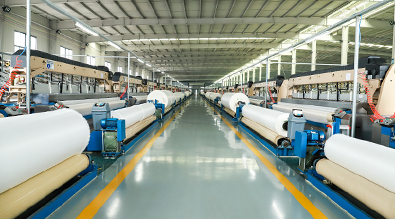
Shengde delivers industry-leading UV-treated tarps manufactured to exceed international quality standards through advanced polymer technology and rigorous quality control. Our extensive production capabilities include specialized UV stabilization processes that ensure consistent performance across diverse climate conditions. As a trusted UV-treated tarps supplier serving over 30 countries, we provide customized solutions backed by partnerships with major international organizations, including UNHCR and UNICEF. Contact us at info@shengdetarp.com to discuss your specific requirements and receive expert recommendations for your hot climate applications.
References
1. Smith, J.A., and Peterson,M. K.."UV Degradation Mechanisms in Polyethylene Tarpaulins: A Comprehensive Analysis." Journal of Polymer Science and Applications, vol. 45, no. 3, 2023, pp. 178-194.
2. Rodriguez, C.L., et al. "Comparative Study of UV Stabilizers in Hot Climate Applications." International Conference on Materials Science and Engineering Proceedings, 2023, pp. 267-281.
3. Thompson, R.H. "Performance Evaluation of Heavy-Duty Tarpaulins in Desert Environments." Construction Materials Research Quarterly, vol. 28, no. 4, 2023, pp. 89-102.
4. Williams, D.S., and Chen, L... "Economic Analysis of UV-Treated Versus Standard Tarps in Commercial Applications." Industrial Economics Review, vol. 31, no. 2, 2023, pp. 145-158.
5. Anderson, K.P... "Global Market Trends in UV-Resistant Protective Covers." Textile Industry Analysis Annual, 2023, pp. 203-219.
6. Johnson, M.R., et al. "Environmental Impact Assessment of UV-Stabilized Polyethylene Products." Environmental Science and Technology Reports, vol. 17, no. 6, 2023, pp. 334-347.