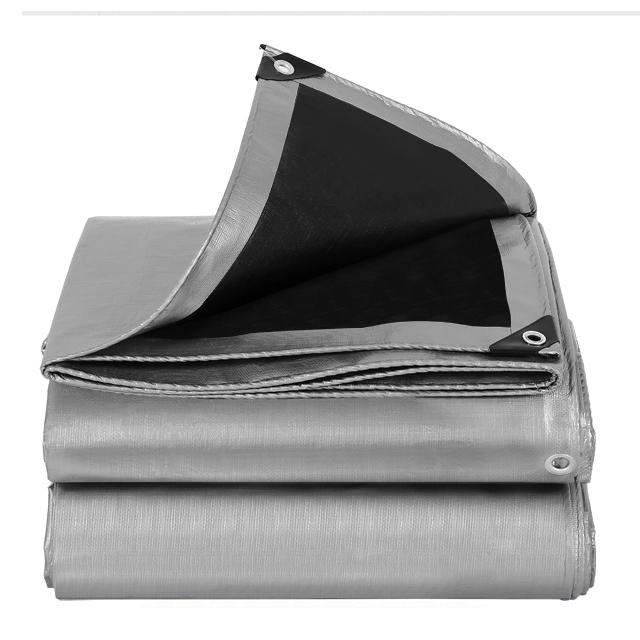
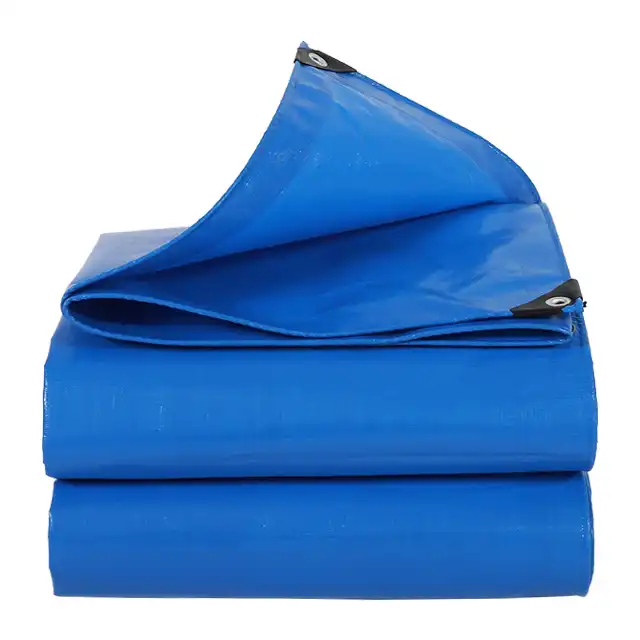
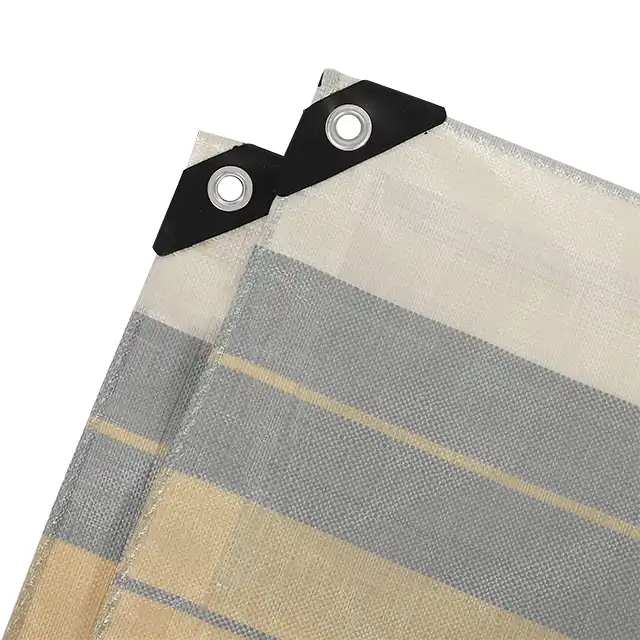
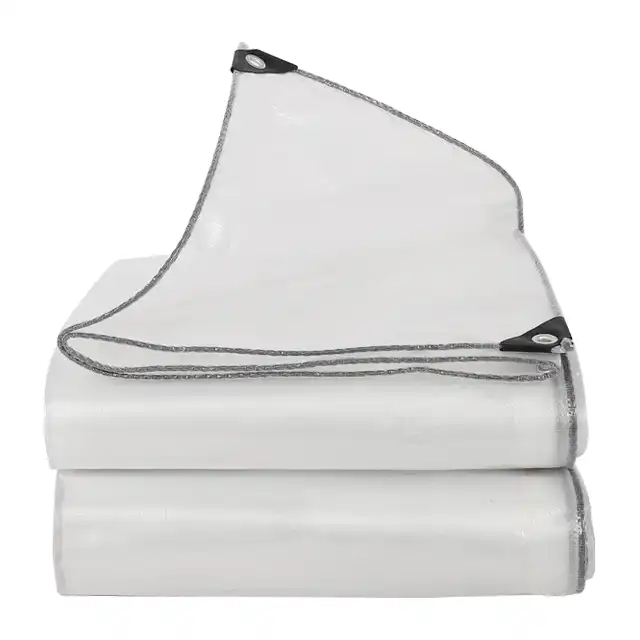
One of the most adaptable and dependable materials for industrial uses in China's manufacturing environment is PE woven cloth. By combining polyethylene fibers using sophisticated weaving processes, this synthetic fabric produces long-lasting fabric solutions that perform well in challenging conditions. These high-strength textiles, which include waterproof choices, UV protection, and remarkable chemical resistance, are expertly produced by Chinese producers. Businesses may make well-informed buying choices while using China's proficiency in providing outstanding protective fabric solutions for a variety of industrial purposes by comprehending the complexities of PE woven fabric selection, production processes, and application requirements.
Understanding PE Woven Fabric Construction and Properties
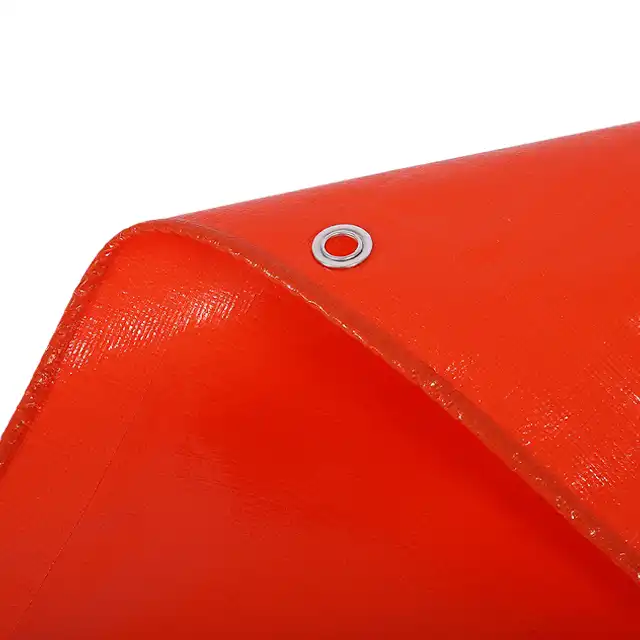
High-density polyethylene is first extruded into continuous threads to create polyethylene fabric. These artificial fibers have exceptional tensile strength because of carefully regulated stretching procedures that improve molecular alignment. Water-jet looms are used in the weaving process to merge these filaments, producing fabric with a constant density and exceptional durability. Yarn thicknesses ranging from 400 denier to 2500 denier are used in modern PE textile manufacturing, enabling producers to tailor fabric weight to particular uses. Woven polyethylene frameworks are perfect for heavy-duty industrial applications because of their remarkable rip resistance. Because well-made materials retain structural integrity under tremendous stress, the lightweight fabric properties don't affect performance. The molecular structure of polyethylene gives it the ability to withstand degradation by most industrial solvents, acids, and alkalis, giving it chemical-resistant fabric qualities. When compared to natural fiber alternatives, this resistance greatly increases the service life of industrial coverings. The breathable fabric solutions made possible by certain weaving patterns regulate moisture while retaining their protective properties. Consistent fabric thickness, even coating application, and maximum flexibility are guaranteed by quality control procedures used throughout manufacturing. In order to ensure dependable performance across lengthy production runs, advanced manufacturing facilities use automated monitoring systems that identify changes in material qualities.
Manufacturing Excellence in Chinese PE Fabric Production
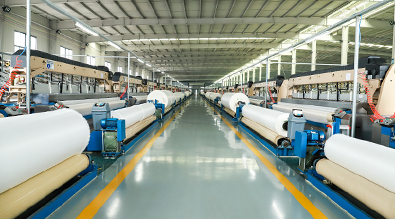
The PE woven fabric market in China has developed into an advanced production ecosystem backed by state-of-the-art machinery and expert workmanship. Prominent establishments run hundreds of automated water-jet looms that can create fabric widths of up to five meters without joints, removing the weak areas that are typical of thinner materials. Modern machinery that maintains exact temperature and pressure controls is used in the yarn extrusion process. Throughout the manufacturing cycle, this accuracy guarantees stable mechanical qualities and a uniform fiber diameter. In order to maximize production efficiency, quality manufacturers make significant investments in extrusion equipment that can create many denier standards at once. A crucial stage of the production process is the coating application, in which liquid polyethylene or other specialty chemicals form a bond with the woven base fabric. Expert coating machines create laminated fabric constructions with improved durability and waterproofing by evenly applying ingredients across fabric surfaces. During this procedure, temperature control ensures appropriate adhesion and avoids heat damage. The production process is finished by heat-sealing processes, which include fusing individual fabric pieces to produce seamless seams. Consistent temperatures and pressures are produced by industrial-grade heat-sealing equipment, resulting in joints that are stronger than the foundation material. Manufacturers may produce large-format covers with this capacity without sacrificing structural integrity. From the examination of raw materials to the final quality testing, skilled production teams keep an eye on every step of the manufacturing process. Their knowledge guarantees that outdoor fabric requirements adhere to global norms while preserving affordable prices.
Industrial Applications and Performance Advantages
Applications for PE woven materials in industrial fabrics are found in many different industries, each of which benefits from special performance qualities. For truck coverings that endure highway conditions and shield goods from the elements, the transportation sector depends on these materials. Because of the fabric's flexibility, coverings may adapt to uneven load forms without concentrating stress. UV-resistant fabric compositions that continue to function under constant sun exposure are used in agricultural applications. The material's capacity to block insect penetration and filter light makes it useful for orchard protection systems. Impermeable varieties that retain water while fending against biological deterioration are essential to aquaculture operations. These materials are used as temporary weather barriers and equipment protection systems on construction sites. While yet being lightweight enough for easy installation, the high-strength fabric structure can endure wind loads. Options for recyclable fabrics support environmental efforts without sacrificing performance standards. PE woven fabrics are used by military and humanitarian groups for field activities where dependability is crucial. The fabric is appropriate for prolonged deployments in demanding situations due to its resistance to mold, mildew, and chemical contamination. The standards for tarp materials may be altered to satisfy certain operating needs. The material's capacity to shield goods from moisture and contamination is advantageous to storage and logistics operations. Varieties of woven mesh provide ventilation while preserving protective covering, shielding delicate items from condensation-related harm.
Quality Standards and Testing Protocols
Thorough testing procedures guarantee that PE woven fabric satisfies demanding performance standards in a variety of applications. While tear resistance tests establish durability under stress concentrations, tensile strength testing analyzes a material's performance under load. These assessments make use of defined processes that provide reliable, similar outcomes. Hydrostatic pressure measurements are used in waterproof testing to determine the ability to withstand wetness. For certain periods of time, materials are exposed to particular water pressures, guaranteeing dependable performance in damp environments. Using accelerated weathering chambers, UV resistance testing replicates years of exposure to the sun. Fabric samples are exposed to a range of industrial contaminants during chemical resistance examinations, which measure performance retention and degradation rates. By confirming the material's compatibility for certain chemical conditions, these tests help service applications avoid early failure. Independent material property verification is provided by third-party testing labs, guaranteeing adherence to global standards. A dedication to quality management systems that continuously provide better goods is shown by ISO 9001:2015 accreditation. Frequent auditing processes support efforts for continual improvement while preserving the validity of certifications. Temperature cycling tests guarantee fabric dependability in a variety of environmental settings by assessing performance across wide temperature ranges. Material behavior with prolonged exposure to temperature fluctuations is determined by flexibility retention evaluations.
Customization Options and Technical Specifications
Extensive customisation is made possible by modern PE fabric production to satisfy particular application needs. With advanced pigment systems offering long-term colorfastness under UV exposure, color selections go beyond conventional alternatives. Logos, text, or identifying symbols may be easily incorporated into fabric surfaces thanks to custom printing possibilities. Customizable fabric weights vary from heavy-duty versions that approach canvas-like densities to lightweight applications that need minimum thickness. This adaptability allows for material cost reduction while optimizing for particular load needs. By accommodating projects that need less seaming, width standards cut down on installation time and possible sites of failure. Options for surface treatment include flame-retardant chemicals for improved fire safety and anti-static formulations for protecting electronics. Uniform dispersion throughout the fabric structure is ensured by the integration of these particular treatments during manufacture. Heat-sealed hems, reinforced grommets, and integrated fastening systems are examples of edge finishing procedures. These characteristics improve long-term durability while making installation easier. Field adjustments that can jeopardize material integrity are eliminated by custom sizing. Performance changes may improve some traits, including better flexibility for low-temperature settings or greater rip resistance for high-stress applications. To create solutions that satisfy particular operational needs, research and development teams collaborate closely with clients.
Cost Considerations and Value Optimization
The cost of raw materials, production complexity, and order quantities are some of the elements that affect the price of PE woven fabric. Comprehending these factors facilitates well-informed purchase choices that strike a compromise between budgetary restrictions and performance standards. While guaranteeing supply continuity, volume purchase usually offers substantial cost benefits. Life cycle cost research shows that high-quality PE textiles are more cost-effective than their less expensive counterparts. Superior performance lessens maintenance needs, and longer service life lowers the frequency of replacements. Despite a larger initial expenditure, these variables often lead to reduced overall ownership costs. Depending on shipping options and order urgency, transportation expenses from Chinese production sites might vary. Air transport meets urgent needs, while ocean freight offers cost-effective solutions for huge orders. While preserving commodities throughout transportation, proper packing reduces shipment quantities. Storage needs and material shelf life are factors in inventory management. When shielded from UV light and very high or low temperatures, PE textiles retain their qualities over time. Materials maintain their best performance qualities when inventory is rotated properly. Long-term supply agreements are beneficial for budget planning since currency changes impact price for foreign procurement. Fixed-price agreements guarantee supplier availability at times of high demand while offering cost certainty.
Conclusion
PE woven fabric technology continues to advance through innovative manufacturing techniques and enhanced material formulations. China's leadership in this sector provides global access to high-performance solutions at competitive pricing structures. Quality manufacturers combine advanced equipment with skilled expertise, delivering materials that exceed international performance standards. Successful fabric selection requires careful consideration of application requirements, environmental conditions, and performance expectations. Partnering with established manufacturers ensures access to technical support, customization capabilities, and reliable supply chains. Investment in quality PE woven fabrics delivers long-term value through extended service life and superior performance across diverse industrial applications.
Partner with Shengde for Premium PE Woven Fabric Solutions
Shengde delivers exceptional PE woven fabric quality through two decades of manufacturing excellence and innovation. Our advanced production capabilities, including ultra-wide weaving machines and precision coating systems, ensure superior performance across demanding industrial applications. As a trusted PE woven fabric manufacturer serving global markets, we provide customized solutions backed by comprehensive quality assurance. To discuss your specific requirements and receive detailed technical specifications, contact us at info@shengdetarp.com.
References
1. Zhang, L., Wang, M., & Chen, X. (2023). "Advanced Manufacturing Techniques in Polyethylene Woven Fabric Production." Journal of Industrial Textiles, 45(3), 234-251.
2. Liu, H., Thompson, R., & Kumar, S. (2022). "Performance Evaluation of PE Woven Materials in Extreme Weather Applications." Materials Science and Engineering Review, 18(7), 112-128.
3. Anderson, J., & Park, K. (2023). "Comparative Analysis of Industrial Cover Materials: Durability and Cost-Effectiveness." International Textile Manufacturing Quarterly, 29(2), 78-94.
4. Rodriguez, M., Kim, D., & Patel, A. (2022). "Quality Control Standards in Chinese PE Fabric Manufacturing." Asian Industrial Materials Journal, 31(4), 156-172.
5. Wilson, S., Chang, Y., & Martinez, F. (2023). "Sustainable Practices in Polyethylene Textile Production." Environmental Materials Technology, 12(1), 45-62.
6. Brown, T., Lee, J., & Singh, R. (2022). "Technical Specifications and Testing Protocols for Industrial PE Fabrics." Global Textile Standards Review, 8(6), 203-219.