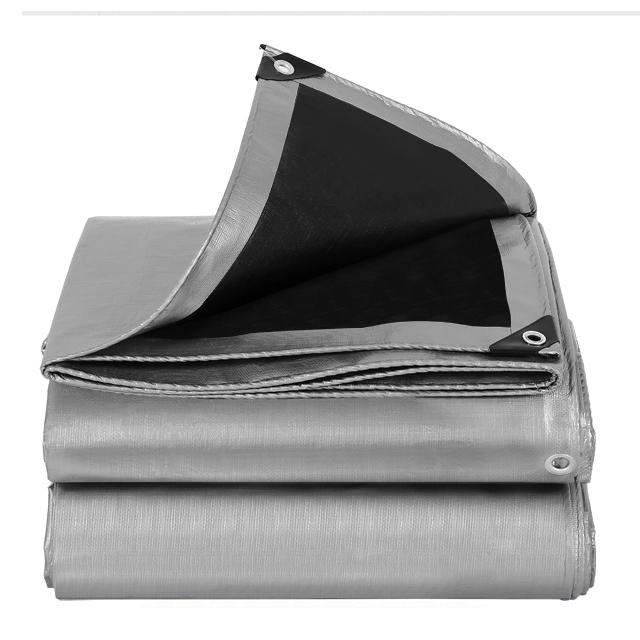
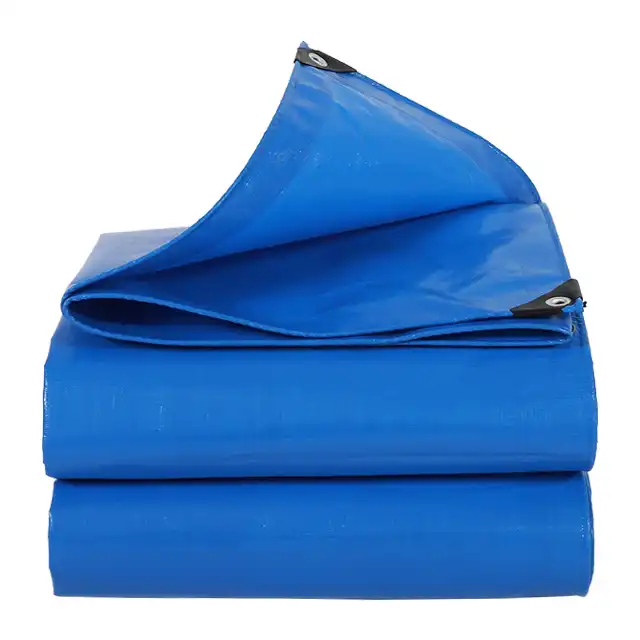
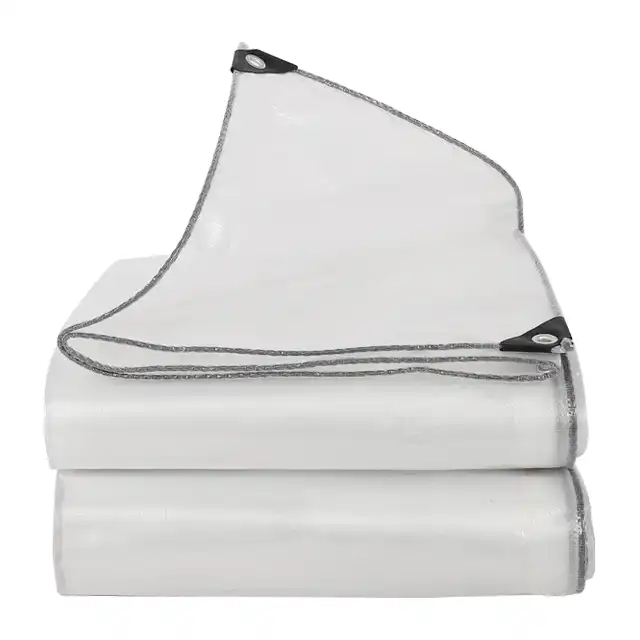
Indeed, tarps are one of the best ways to protect yourself in winter circumstances and may be utilized in snowy regions. For both commercial and industrial uses, high-quality polyethylene and canvas tarps provide exceptional durability, waterproof protection, and snow resistance. To manage snow loads, temperature swings, and moisture issues brought on by winter weather, it is crucial to choose the appropriate material, weight, and design standards.
Understanding the Role of Tarps in Snowy Environments
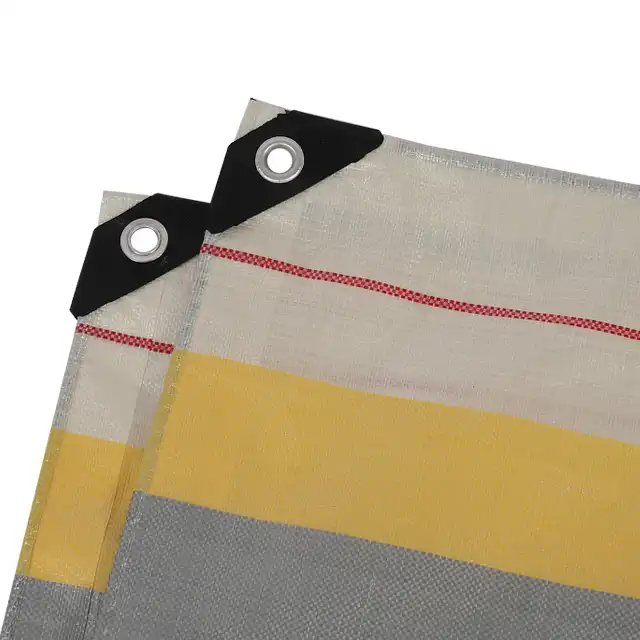
Winter conditions provide special difficulties for safeguarding tools, supplies, and workspaces. If important goods are not safeguarded, snow buildup, ice development, and temperature fluctuations may seriously harm them. In these extreme circumstances, professional-grade protective coverings fulfill a number of vital purposes.
Equipment and Vehicle Protection
Reliable protection against snow buildup and ice formation is essential for fleet vehicles, heavy machinery, and construction equipment. High-quality protective coverings stop moisture intrusion, which may cause corrosion, expensive repairs, and mechanical failures. The waterproof covering protects delicate parts from the freeze-thaw cycles that often harm exposed equipment in the winter.
Material Storage Solutions
Industrial inventories, agricultural supplies, and construction materials need constant protection from moisture and snow with tarps. Weatherproof storage spaces that preserve material quality and stop deterioration are created by properly fastened protective coverings. During winter operations, this protection is crucial for preserving project schedules and cutting down on material waste.
Temporary Workspace Creation
During winter projects, industrial activities often need temporary covered spaces. Weather-resistant workstations that sustain productivity in challenging circumstances may be created by configuring protective coverings. These adaptable systems provide affordable substitutes for permanent buildings and may be used in a variety of site layouts.
Key Characteristics of Tarps Suitable for Snow Use
Understanding certain material features and performance characteristics is necessary when choosing suitable protective coverings for snow applications. Depending on the intended usage and environmental circumstances, different materials have unique benefits.
Waterproof versus Water-Resistant Properties
Complete moisture barriers are necessary for snow protection and are provided by true waterproof coverings like tarps. Waterproof polyethylene forms an impenetrable barrier against melting snow and ice, in contrast to water-resistant polymers that could eventually let some moisture penetration. When safeguarding delicate machinery or materials that cannot withstand any moisture exposure, this difference becomes crucial.
Material Options and Performance
Snow applications are dominated by polyethylene coverings because of their excellent waterproof qualities and affordability. These coverings provide superior UV protection for prolonged outdoor exposure, are resistant to ripping, and remain flexible in cold weather. Canvas substitutes are more breathable, but they need to be treated properly to be waterproof. The ideal thickness range for heavy-duty polyethylene to withstand snow loads and punctures is 8–12 mil.
Reinforcement Features
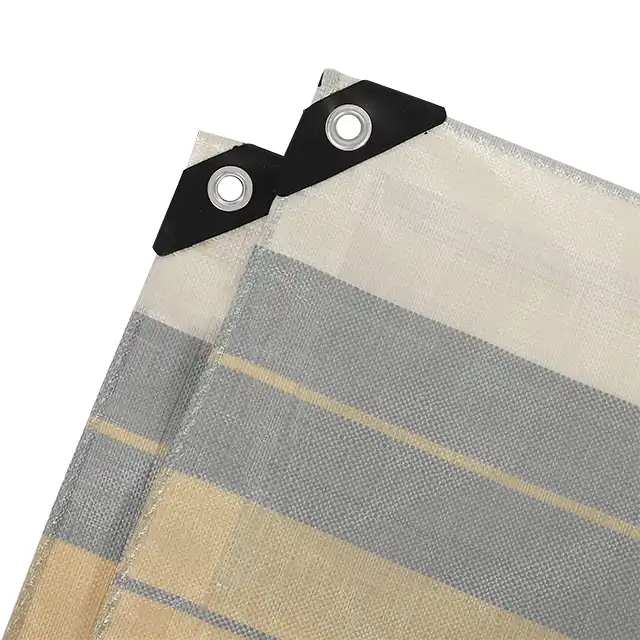
To endure the stresses of snow loads and wind pressures, high-quality snow-rated coverings include heat-sealed seams, reinforced edges, and sturdy grommets. While corrosion-resistant grommets provide stable anchor points over many seasons, rope-reinforced hems prevent ripping under strain. Under harsh winter circumstances, these design features guarantee dependable performance.
Best Practices for Using Tarps in Snow
In snowy conditions, protective cover lifetime and performance are maximized with proper installation and maintenance methods. Knowing these procedures makes it easier to provide dependable protection all winter long.
Securing Methods and Anchoring Systems
Cover displacement during snowstorms and strong winds may be avoided with proper anchoring. Flexible fastening techniques that take into account snow loads are offered by ball bungee cords, sturdy tie-downs, and tensioning systems. Slopes with proper tensioning promote snow drainage while avoiding pooling, which might cause material stress or collapse sites.
Snow Load Management
Frequent snow clearance avoids excessive buildup that might harm coverings or pose a safety risk. Snow may be efficiently removed using soft brushes or brooms without causing any harm to the material's surface. During installation, creating smooth slopes facilitates natural snow shedding and lessens the need for hand removal. Selecting the right cover for regional circumstances is ensured by being aware of local snow load needs.
Maintenance and Cleaning
Winter upkeep keeps the cover's protective function intact and increases its longevity. Salt residue and dirt that might gradually deteriorate materials are removed by gentle washing with mild soap solutions. Mold development and material deterioration are avoided by properly drying materials before storing them. Wear spots that need to be addressed before they jeopardize protective integrity are found during routine inspection.
Selecting and Purchasing Tarps for Snow: A B2B Decision Guide
Careful consideration of requirements, supplier capabilities, and long-term performance traits is necessary for professional procurement. Successful winter protection initiatives and economical operations are ensured by an understanding of these elements.
Size and Customization Considerations
Proper cover size is determined by precise measurements, which provide total protection with tarps without wasting too much material. Uneven forms and particular equipment setups are accommodated via custom-sized possibilities. Expert vendors provide fabrication services that result in precisely tailored solutions for special uses. Custom solutions cater to specific demands, while standard sizes are ideal for typical equipment and storage needs.
Bulk Procurement Advantages
Significant cost reductions are possible with volume purchase, which also guarantees uniform material standards for a variety of applications. For big enterprises, bulk purchases provide for lower costs per unit and improved inventory management. Priority service and technical assistance when required are guaranteed by established ties with reputable providers. Volume commitments often provide access to more advanced customization choices and quicker delivery times.
Supplier Evaluation Criteria
Quality vendors use certificates and testing records to show that their production standards are consistent. Strong quality management systems that guarantee dependable product consistency are indicated by ISO 9001 certification. Verification of third-party testing validates performance claims and material standards. Successful procurement results are supported by the technical assistance, customization options, and prompt customer service offered by reputable suppliers.
SENDOW TARPAULIN: Your Trusted Partner for Winter Protection Solutions
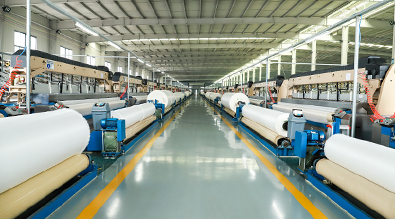
High-performance polyethylene coverings designed especially for tough winter applications are the specialty of SENDOW TARPAULIN. Ultra-wide width weaving machines up to 5 meters are part of our innovative manufacturing capabilities, which remove seams that might jeopardize waterproof integrity in crucial applications.
Manufacturing Excellence and Quality Assurance
Throughout the whole manufacturing process, our ISO 9001:2015 certified facility maintains strict quality control. Before shipping, a state-of-the-art testing apparatus confirms durability traits, waterproof performance, and material standards. Our procedures have been honed by more than 20 years of manufacturing expertise to produce consistently high-quality products that satisfy global standards. In order to meet changing client needs, our research and development team consistently improves material performance and customization possibilities.
International B2B Expertise
We have successfully serviced customers in more than 30 countries since 2009, with a wealth of knowledge in both the North American and European markets. Our collaborations with global institutions such as UNHCR, IOM, ICRC, and UNICEF show that we can satisfy demanding standards for quality and service. For large purchases, low prices and dependable delivery dates are guaranteed by comprehensive logistical assistance. Customers may choose the best specifications for their unique applications and local needs with the aid of technical consultancy services.
Conclusion
When carefully chosen and applied, professional-grade tarps and protective coverings perform very well in snowy conditions. For winter applications, high-quality polyethylene materials provide exceptional waterproof protection, longevity, and affordability. Optimal performance across many seasons is ensured by knowledge of material properties, installation best practices, and maintenance needs. Working with seasoned suppliers that provide technical know-how, customization options, and dependable delivery performance is essential to the success of B2B buying.
Frequently Asked Questions
Q1: What thickness of tarp is best for heavy snow loads?
A: For heavy snow loads, heavy-duty polyethylene coverings with a thickness of 10–12 mil work well. In cold weather, this thickness retains its suppleness while providing exceptional resistance to punctures. For demanding applications, reinforced edges and heat-sealed seams further increase load-bearing capability.
Q2: How do I prevent ice formation under tarps in freezing conditions?
A: Condensation that results in ice formation is avoided with adequate ventilation and tensioning. Slight slopes promote moisture drainage while avoiding entirely enclosed spaces that retain moisture. Proper drainage pathways are maintained during fluctuating weather conditions by regular tensioning examination and adjustment.
Q3: Can polyethylene tarps be reused after multiple winter seasons?
A: With the right upkeep and care, high-quality polyethylene coverings usually provide 3-5 years of dependable service. The lifetime of materials is increased by appropriate cleaning and storage, while UV-resistant compositions stop deterioration from exposure to the sun. Wear spots that could need maintenance or replacement planning are found via routine examination.
Partner with SENDOW TARPAULIN for Reliable Winter Protection
SENDOW TARPAULIN offers complete winter protection solutions supported by global experience and proven production quality. For demanding B2B applications, our heavy-duty polyethylene coverings provide the watertight performance, durability, and personalization choices they need. Our skilled staff offers technical advice and affordable prices for large orders, regardless of whether you want conventional sizes for equipment protection or unique solutions for particular uses.
With more than 20 years of expertise, we are a top tarp manufacturer and recognize how vital dependable winter protection is to your business. Our cutting-edge manufacturing skills, quality certifications, and attentive client support guarantee project success and enduring collaborations. Are you prepared to use tried-and-true methods to improve your winter protection plan? Contact us at info@shengdetarp.com to discuss your specific requirements and discover how our expertise can optimize your procurement success.
References
1. American Society for Testing and Materials. "Standard Specification for Polyethylene Tarpaulins." ASTM D6567-18, 2018.
2. National Institute of Standards and Technology. "Snow Load Considerations for Temporary Structures." Building Science Series 172, 2019.
3. Industrial Fabrics Association International. "Technical Guide to Tarpaulin Materials and Applications." IFAI Publication TG-15, 2020.
4. International Organization for Standardization. "Textiles - Test Methods for Nonwovens - Determination of Resistance to Water Penetration." ISO 811:2018.
5. Construction Industry Institute. "Weather Protection Systems for Construction Projects." Research Report 285-11, 2017.
6. Materials Testing Laboratory. "Comparative Analysis of Tarpaulin Performance in Cold Weather Applications." Technical Bulletin MTL-2021-03, 2021.