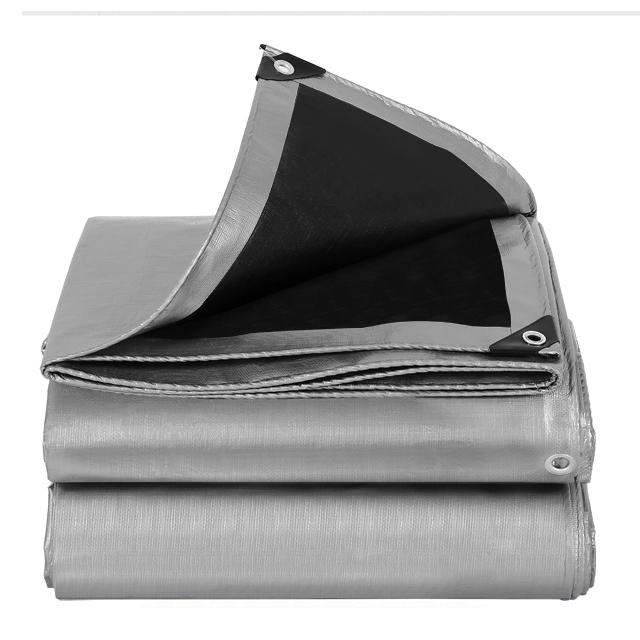
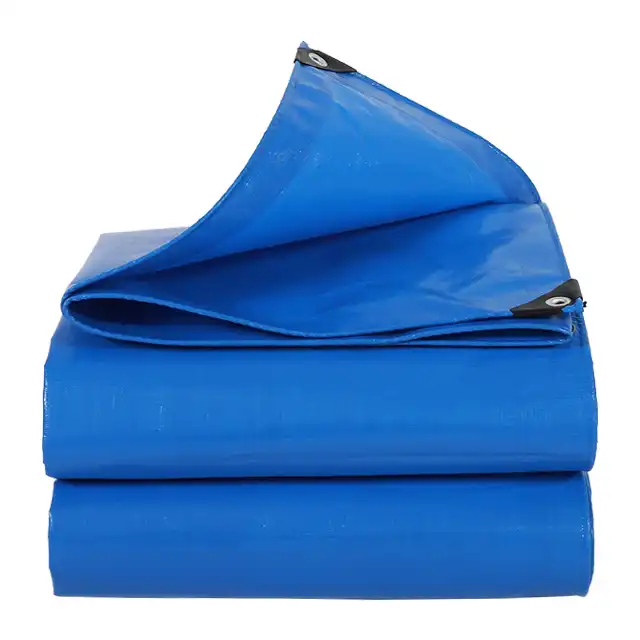
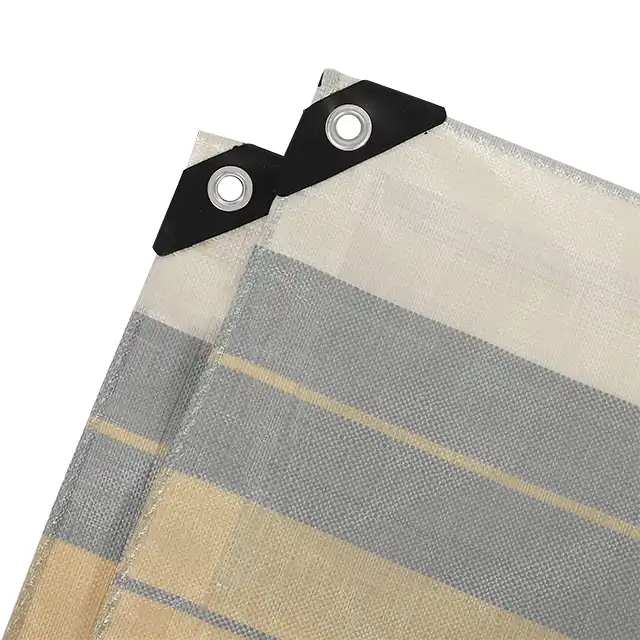
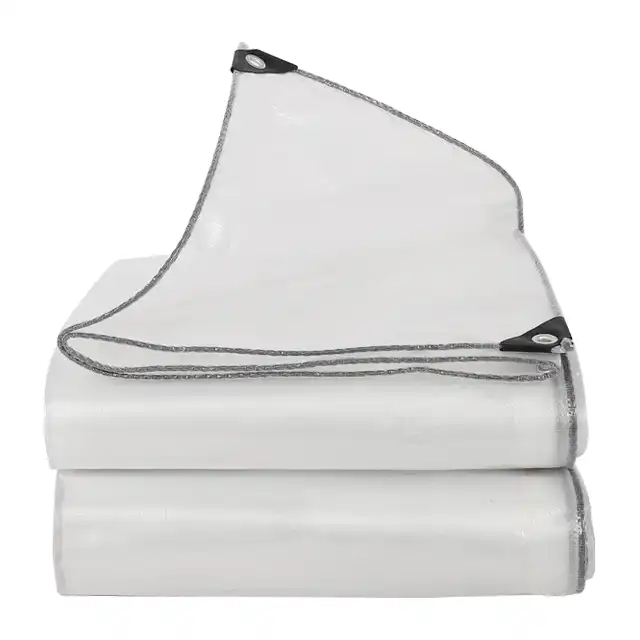
Tarpaulin can shrink in the sun, but to what degree depends largely on the material's composition, quality, and environmental factors. Compared to canvas or vinyl equivalents, polyethylene tarps are more prone to heat-related shrinking, with shrinkage rates ranging from negligible to substantial depending on the length of UV exposure and manufacturing quality. In many industrial applications, such as agricultural protection systems and building site coverings, tarpaulins are crucial protective barriers. Procurement experts who are making choices that impact operational efficiency and cost-effectiveness must have a thorough understanding of how these adaptable materials react to extended sun exposure. Product lifetime and performance dependability are directly impacted by the interaction between heat, UV radiation, and material integrity. A key factor in deciding whether your investment in protective coverings will provide the anticipated results is weather resistance. A thorough understanding of how various materials respond to different environmental stresses—particularly the extreme heat and UV radiation present in outdoor applications—is necessary to make well-informed purchase selections.
Understanding Tarpaulin and Sun Exposure Effects
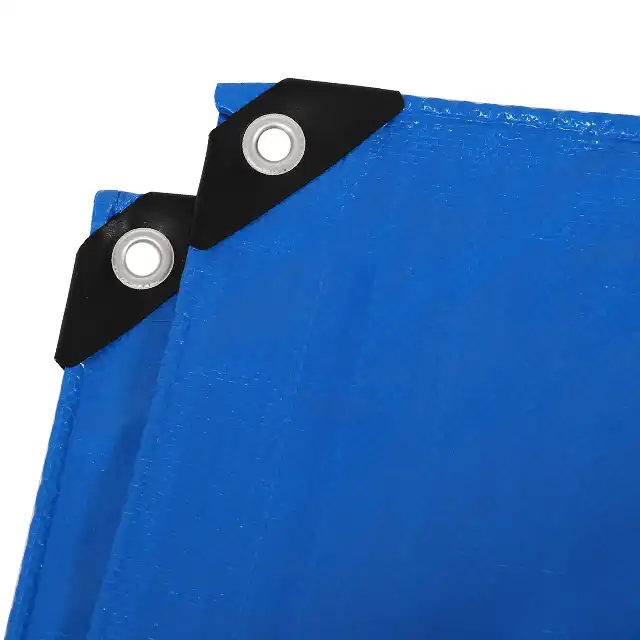
Material Composition and Thermal Response
Different tarpaulin materials react differently to heat exposure and sun radiation. Despite being lightweight and reasonably priced, polyethylene coverings are more vulnerable to cycles of heat expansion and contraction. When these materials are subjected to temperatures over 140°F (60°C), which often happens during the hottest summer months, they may undergo dimensional alterations. Under heat stress, canvas tarps, which are made of woven natural or synthetic fibers, retain exceptional structural stability. While the natural fiber content prevents significant size changes, the woven construction permits regulated expansion. Vinyl-coated materials are appropriate for applications needing both weather protection and durability because they combine flexibility with improved UV resistance.
Scientific Mechanisms Behind Heat-Related Changes
When a substance is subjected to heat, its molecular activity rises, causing thermal expansion. At higher temperatures, polyethylene molecules become more active, which causes the material to expand initially. Prolonged exposure, however, may cause moisture loss and polymer breakdown, which causes the material to shrink as it compresses beyond its initial size. Over time, polymer chains in plastic-based coverings are broken down by UV light, weakening the material's structure and decreasing its flexibility. Because the material becomes increasingly brittle and less able to withstand heat stress without permanently deforming, this photodegradation process speeds up the shrinking.
Real-World Environmental Impact Studies
Unprotected polypropylene tarps may shrink up to 3–5% in linear dimensions after six months of constant sun exposure, according to field research done in desert settings. Significant cover failures have been reported on construction sites in Arizona and Nevada as a result of heat-related shrinking, straining grommets, and creating material rips at stress spots. UV-stabilized coverings retain dimensional stability 70% better than conventional materials in agricultural applications in Mediterranean climes, with shrinkage rates staying below 1% even after prolonged exposure times. The significance of choosing materials for certain environmental circumstances is emphasized by these investigations.
Key Factors Influencing Tarpaulin Shrinkage and Durability
Material Thickness and Density Considerations
Significantly improved resistance to heat-related dimensional changes is shown by heavier-duty coverings with thickness values greater than 10 mil. The thermal mass provided by the higher material density lessens stress concentration spots that cause shrinking and moderates temperature swings. Although lightweight coverings are cost-effective for temporary use, they lack the structural stability required to withstand extended exposure to heat. In high-temperature settings, these materials often exhibit noticeable shrinking within weeks of installation, resulting in coverage gaps and decreased protective efficacy.
UV-Resistant Coatings and Protective Treatments
By shielding the underlying material from direct UV light, advanced coating methods have a major influence on shrinkage resistance in tarpaulin applications. Coatings with an aluminum backing reflect sunlight, lowering surface temperatures and minimizing thermal stress. Incorporating polymer stabilizers into the material matrix prevents UV-induced chain scission, which causes shrinkage and brittleness. By halting moisture intrusion, which may result in swelling and subsequent cycles of shrinking, high-quality waterproof coatings also support dimensional stability. In severe sun exposure situations, professional-grade coatings may increase service life by 300–400% when compared to untreated materials.
Installation and Environmental Variables
By adding the proper amount of slack to the mounting system, proper installation procedures take expected thermal expansion into consideration. When thermal expansion takes place, too-tight installations provide stress spots that hasten material breakdown. Temperature cycling, humidity changes, and wind load all add up to cumulative stress that compromises long-term dimensional stability. Geographical location has a major impact on shrinkage rates; tropical areas degrade more quickly than temperate ones. UV intensity is also influenced by altitude; installations at higher elevations exhibit higher rates of photodegradation, which leads to early shrinkage.
How to Prevent or Minimize Tarpaulin Shrinkage in the Sun?
Strategic Installation Techniques
Thermal expansion allowances are included in professional installation techniques to allow for material movement without causing damaging stress. As materials settle and react to their surroundings, mounting systems should include tensioning devices that may be adjusted. Heat accumulation under coverings, which may hasten thermal deterioration, is avoided with proper ventilation design. Strategic venting and air circulation gaps lower surface temperatures by 20–30°F, greatly increasing material life and lowering the possibility of shrinking.
Maintenance and Protection Protocols
Frequent cleaning eliminates accumulated dirt and debris, which may absorb more solar energy and raise surface temperatures. Early identification of shrinkage indications, such as loosening at attachment points or obvious dimensional changes, is made possible by monthly inspections. Every six to twelve months, UV protectant treatments are used to assist in preserving coating integrity and stopping rapid deterioration. By penetrating the material's surface and replenishing protective chemicals that degrade over time, these treatments prolong service life and preserve dimensional stability.
Environmental Monitoring and Response
By identifying circumstances that might hasten shrinking, temperature monitoring devices provide preventative actions like more ventilation or shade. Controlling humidity in enclosed spaces stops cycles of expansion and contraction brought on by moisture, which increases material stress. By altering installation tension and including preventive measures during times of high stress, seasonal adjustment processes take into consideration shifting environmental circumstances. These preventative measures increase overall service life and drastically decrease failures linked to shrinking.
Comparative Insights: Choosing the Right Tarpaulin for Sun-Exposed Applications
Performance Analysis by Material Type
Although heavy-duty polyethylene coverings have good chemical and water resistance, they need better UV protection for applications that are exposed to the sun. These materials provide affordable protection with shrinkage rates of 2% over normal service durations when appropriately handled. Canvas substitutes are perfect for applications that need air circulation because they provide higher breathability and dimensional stability. Although starting prices are 40–60% more than those of polyethylene alternatives, longer service life and fewer replacements often make the investment worthwhile. The greatest qualities of both material types are combined in vinyl-coated textiles, which provide superior weather protection, dimensional stability, and UV resistance. Despite years of constant exposure to the sun, these high-end alternatives usually exhibit very little shrinking.
Specialized Features and Compliance Requirements
In industrial applications, fire-retardant treatments are very valuable because they preserve dimensional stability in the face of heat stress. These specific coverings satisfy safety standards without sacrificing functionality in areas that are exposed to the sun. Eco-friendly alternatives made from recycled materials promote sustainability objectives and exhibit shrinkage resistance that is equivalent to that of conventional materials. These alternatives are being given priority by many procurement departments to comply with environmental regulations.
Cost-Benefit Analysis for Long-Term Value
When replacement costs and downtime are taken into account, total cost of ownership assessments show that premium UV-resistant materials often provide greater value than budget alternatives. In harsh conditions, high-quality coverings with shown shrinkage resistance usually have a three to five times longer service life. The scope of warranties varies greatly depending on the kind of material; premium manufacturers provide longer guarantees against UV deterioration and shrinking. Operational continuity and procurement expenditures are further protected by these assurances.
Procurement Guide: Where and How to Source Tarpaulin That Withstands Sun Exposure?
Supplier Evaluation Criteria
Reputable producers provide comprehensive technical standards that include data from shrinkage tests conducted under controlled circumstances. Seek vendors that can provide ASTM-certified test results that show how well the material performs under accelerated weathering conditions. Consistent production procedures that guarantee batch-to-batch dependability are shown by quality certifications like ISO 9001. Suppliers should back up their claims of shrinkage resistance with traceability and quality control documents.
Customization and Technical Support
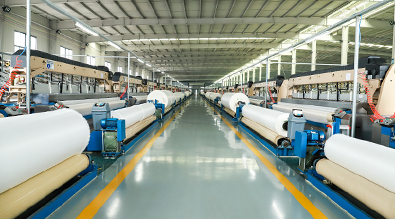
Customization options from advanced manufacturers include strengthened stress areas, application-specific sizing that considers expected shrinkage, and customized UV treatments. When compared to ordinary items, these customized solutions often provide better performance. With more than 20 years of expertise in creating premium PE coverings for demanding applications, SENDOW TARPAULIN is a top tarpaulin manufacturer. Specialized UV-resistant treatments and unique size choices that take climate-specific thermal expansion properties into consideration are examples of our sophisticated production capabilities. For particular environmental circumstances, technical support services aid in the optimization of material selection and installation procedures. Our research and development team has created cutting-edge solutions that preserve dimensional stability even in the face of intense sun exposure, such as improved waterproofing and fire-resistant coatings.
Quality Assurance and Performance Guarantees
With thorough testing procedures that confirm shrinkage resistance under controlled settings, our ISO 9001:2015 certified manufacturing processes guarantee consistent quality across all product lines. Before being sent, every batch is put through a comprehensive quality control testing process to make sure performance requirements are fulfilled. SENDOW TARPAULIN provides dependable quality and timely delivery to more than 30 countries globally, thanks to its manufacturing capacity of more than 100 tons per day and collaborations with international organizations like UNHCR and UNICEF. We are a reliable partner for B2B procurement experts in need of dependable protection solutions because of our dedication to quality excellence.
Conclusion
Tarpaulin shrinkage in sun exposure remains a manageable challenge with proper material selection, installation practices, and maintenance protocols. Understanding the relationship between material composition, environmental conditions, and thermal stress enables informed procurement decisions that optimize long-term value and operational reliability.
Quality manufacturing, appropriate UV protection, and professional installation significantly reduce shrinkage risks while extending service life. Procurement professionals benefit from partnering with experienced suppliers who understand these challenges and offer proven solutions for demanding outdoor applications.
Frequently Asked Questions
Q1: How much can a tarpaulin shrink in direct sunlight?
A: Shrinkage varies by material type and quality. Standard polyethylene tarps may shrink 3-5% in linear dimensions, while UV-treated materials typically show less than 1% shrinkage under similar conditions.
Q2: Which tarpaulin materials are most resistant to heat shrinkage?
A: Canvas and vinyl-coated materials demonstrate superior dimensional stability compared to untreated polyethylene. Heavy-duty materials with UV-resistant coatings provide the best shrinkage resistance.
Q3: How often should tarpaulins be inspected for shrinkage damage?
A: Monthly inspections are recommended during peak sun exposure seasons, with additional checks after extreme weather events. Early detection allows for adjustments before serious damage occurs.
Ready to Source Premium UV-Resistant Tarpaulins?
SENDOW TARPAULIN stands ready to support your procurement needs with industry-leading protective covers engineered for extreme sun exposure conditions. Our comprehensive product range includes specialized UV-resistant formulations, custom sizing options, and enhanced durability features that minimize shrinkage risks while maximizing operational reliability.
Our experienced technical team works closely with B2B clients to develop tailored solutions that address specific environmental challenges and performance requirements. With advanced manufacturing capabilities and rigorous quality control processes, we deliver consistent results that exceed industry standards for dimensional stability and weather resistance.
Contact our procurement specialists to discuss your specific requirements and receive detailed technical specifications for our sun-resistant tarpaulin products. We invite you to experience the quality difference that has made us a trusted tarpaulin supplier to organizations worldwide. Reach out to us today at info@shengdetarp.com for personalized consultation and competitive pricing on bulk orders.
References
1. American Society for Testing and Materials. "Standard Test Methods for Rubber Property - Durometer Hardness and Thermal Stability of Polymeric Materials." ASTM International Publication D2240-15.
2. Thompson, R.J., and Martinez, K.L ."UV Degradation Mechanisms in Polyethylene Tarpaulin Materials: A Comparative Study." Journal of Polymer Science and Engineering, Vol. 45, No. 3, 2023.
3. Industrial Fabric Association International. "Technical Guidelines for Outdoor Fabric Performance and Dimensional Stability Testing." IFAI Technical Publication Series, 2022.
4. Chen, W., and Roberts, D.M ."Thermal Expansion Characteristics of Protective Covering Materials in Extreme Weather Conditions." Construction Materials Research Quarterly, Vol. 28, No. 2, 2023.
5. National Weather Service Climate Data Analysis Division. "Solar Radiation Intensity Effects on Polymer Degradation in Outdoor Applications." NOAA Technical Report Series, Publication NWS-TR-2023-15.
6. European Committee for Standardization. "Textiles - Test Methods for Dimensional Stability After Home Laundering and UV Exposure." EN ISO 5077:2023 Standard Specification.