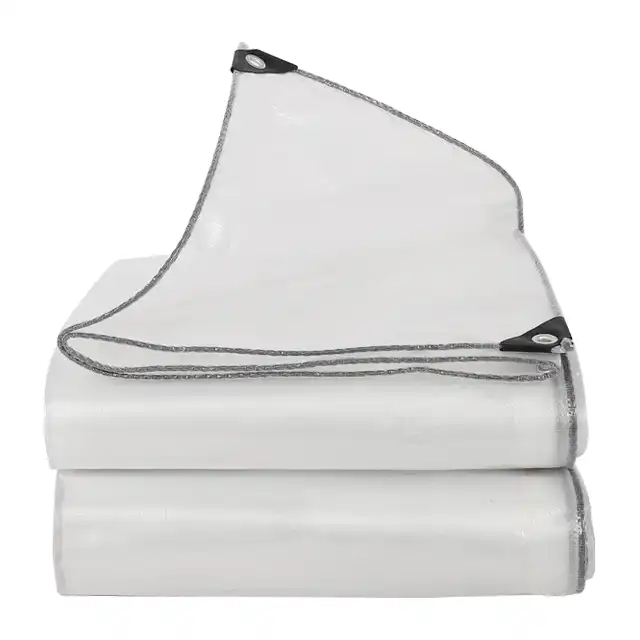
Maintaining the protective qualities of your investment while extending its lifetime is possible with appropriate tarp cleaning. Cleaning procedures for PE tarpaulins, truck coverings, and aquaculture tarps include a gentle wash with a light detergent, a thorough rinse, and full air drying before to storage. Steer clear of aggressive scouring, extreme heat, and strong chemicals that may damage the fabric's integrity and waterproof coating. This methodical process guarantees that your tarp will continue to be strong, useful, and prepared for many years of dependable use in a variety of situations.
Understanding Your Tarp Material Before Cleaning
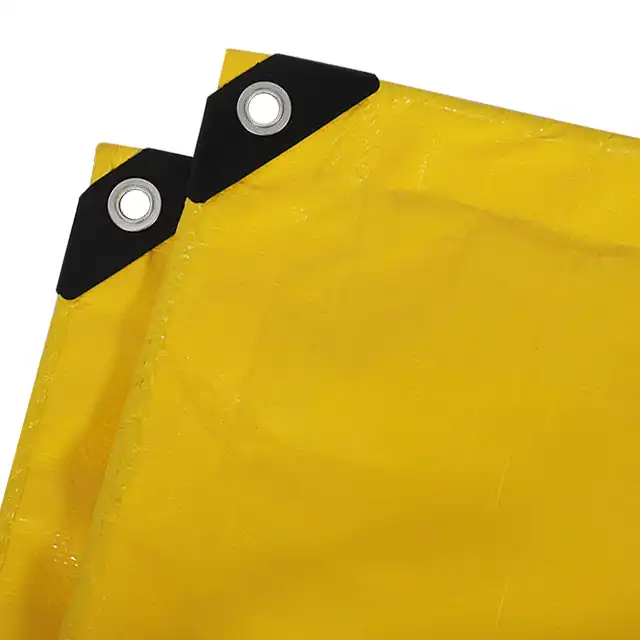
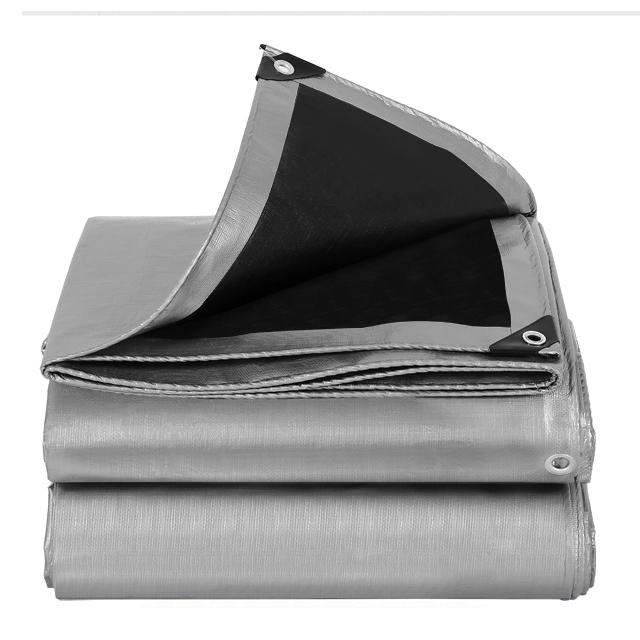
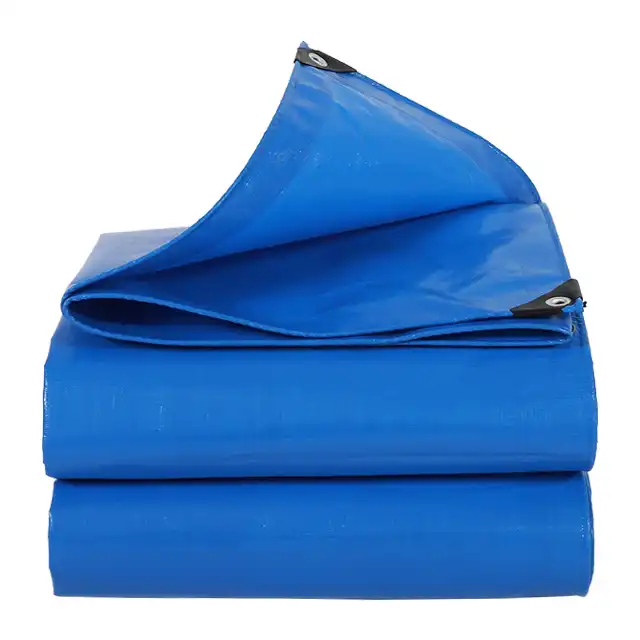
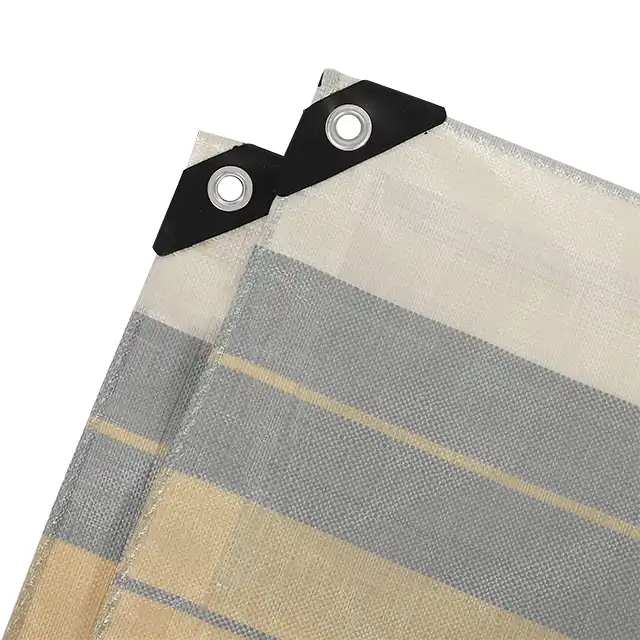
To preserve the structural integrity of various tarp materials, different cleaning techniques are needed. Widely utilized for outdoor applications, PE (polyethylene) tarpaulins have a laminated design that requires careful handling while being maintained. Although severe cleaning techniques may harm this vital layer, the waterproof coating used during production offers a barrier that prevents moisture entry. Heavy-duty tarps often include grommets and reinforced edges that need extra care while washing. Without sacrificing the strength of the seams and connection points, these reinforced regions may need to be cleaned specifically since they may retain dirt and debris. Canvas tarps have different properties than synthetic ones; they absorb moisture and need longer drying times to avoid the growth of mildew. Precise coating techniques that provide consistent thickness across the surface are used in the production of modern tarpaulins. Users may better understand why delicate cleaning techniques maintain the material's natural qualities by being aware of its structure. To guarantee endurance in a variety of environmental circumstances, professional-grade tarps—such as those used in humanitarian applications—go through stringent quality testing.
Essential Tarp Cleaning Tools and Supplies
Having the right cleaning supplies on hand ensures complete filth removal and avoids harm. Brushes with soft bristles are useful for tarp cleaning surfaces without causing scratches. Steer clear of abrasive products or wire brushes as they may cause tiny rips in the waterproof layer. Adequate cleaning power is provided by mild soap solutions without sacrificing material integrity. An efficient tarp cleaning solution that gets rid of most common stains and accumulated dirt is made by combining dish soap with warm water. While domestic alternatives often work just as well, commercial tarp cleaners provide specialized ingredients made especially for synthetic textiles. Tarps may be completely stretched during maintenance since large cleaning surfaces make washing easier. For rinsing, garden hoses with movable nozzles provide regulated water pressure. To avoid coating damage, high-pressure washers must be operated carefully and at a sufficient distance. When handling cleaning chemicals, safety is ensured by protective gear, such as gloves and eye protection. Inhaling cleaning solution fumes is avoided in well-ventilated spaces, especially when using mildew removal products.
Step-by-Step Tarp Washing Process
Start by brushing or gently shaking the tarp to get rid of any loose material. This first stage prevents dirt from being ground into the cloth during later washing stages. Before cleaning, check the tarp for rips, worn spots, or broken grommets that may need to be fixed. Place the tarp so that it may be completely stretched on a spotless, level surface. All places are accessible thanks to this arrangement, which also avoids folding that may catch cleaning agents. To achieve complete coverage, use a delicate brush to apply the soap solution in tiny portions. Give the cleaning solution enough time to break down accumulated filth by using gently circular movements to concentrate on severely soiled areas. Extended soaking times may be necessary for stubborn stains; however, soap solutions should not be allowed to dry on the surface as this may leave residue. Make sure all surfaces and seams are completely free of soap by giving them a thorough rinse with clean water. Insufficient rinsing results in residue that might draw dirt more easily when used again. Particular care should be given to reinforced areas where soap may build up.
Effective Tarp Stain Removal Techniques
For total eradication, different stain types need different treatment strategies. Applying degreasing products prior to general washing works effectively for oil-based stains. Give degreasers enough time to come into touch with the tarp material while keeping an eye out for any negative responses. Enzyme-based cleansers that degrade biological molecules are often needed to remove organic stains like leaves, berries, or tree sap. For total stain removal, these specialty treatments need patience since they operate gradually. For stubborn stains, many treatment cycles could be required. Tarps exposed to metal fixtures often have rust stains, which must be carefully treated to prevent them from spreading. Before being fully applied, rust removal agents should be tried on discrete regions. To avoid further fabric damage, totally neutralize acid-based rust removers. Mold and mildew must be treated right away to stop them from spreading and causing lasting discoloration. Fungal growth may be efficiently eliminated using commercial mildew removers or diluted bleach solutions, but careful washing is necessary to avoid leftover chemicals weakening the fabric.
Proper Tarp Drying and Storage Methods
Thorough drying after tarp cleaning keeps the tarp flexible during storage and prevents the formation of mold, ensuring long-lasting performance and maintaining material integrity. The gentlest method is air drying, but it requires room and good weather. To avoid stress concentration that might result in straining or ripping, hang tarps over many support points. During prolonged drying times, stay out of direct sunshine since UV rays may gradually deteriorate certain materials. The best drying conditions are achieved in regions that are shaded and have sufficient air circulation, which also shields the material from any sun damage. During the drying process, make sure both sides are exposed to enough air. To encourage uniform moisture evaporation from all surfaces, flip the tarp from time to time. The perfect environment for the growth of mold is created by trapped moisture between folds. Before folding, storage preparation include thorough drying verification. When stored over long periods of time, even little amounts of residual moisture might create issues. Tarps are shielded from rat damage and material contamination by dry, clean storage spaces.
Common Mistakes to Avoid During Tarp Maintenance
One of the most harmful methods for tarp cleaning is aggressive scrubbing. Overuse of force may weaken waterproof coatings and result in early failure. While maintaining the integrity of the material, greater results are obtained with patience and delicate procedures. Inappropriate cleaning agents have the potential to permanently harm synthetic materials. To avoid fabric deterioration, bleach solutions must be carefully diluted and have a brief contact time. Before using cleaning goods widely, always test them on little, discrete areas. Large tarps often have uneven cleaning and possible damage from agitation when machine washed. Hand washing lessens the strain on seams and attachment points and gives you more control over the process. For really big tarps, commercial washing facilities with the right equipment provide options. The perfect environment for mold development and offensive smells is created when moist tarps are stored. The ensuing damage often turns out to be irreparable, necessitating tarp replacement as opposed to simple cleaning. Longer service life is a benefit of investing in appropriate drying.
Extending Tarp Lifespan Through Regular Maintenance
Frequent cleaning schedules avoid severe dirt buildup that calls for forceful removal methods. Tarp functioning and appearance are maintained by monthly cleaning and maintenance during times of high usage. The cumulative damage from prolonged exposure is addressed by seasonal thorough cleaning. When minor issues are addressed early on, costly repairs may be avoided later. While minor rips are readily repaired, more substantial damage would need to be replaced or repaired by a professional. Frequent maintenance checks identify any problems before they affect the functionality of the tarp. Tarps are shielded from needless exposure to the environment when stored properly in between usage. Although most applications frequently just need basic protection from moisture and pests, climate-controlled storage spaces provide the best conditions. Establishing efficient maintenance programs is aided by recording cleaning dates and techniques. When assessing tarp performance and scheduling replacement for commercial installations, this information comes in handy.
Professional Tarp Maintenance Solutions
For big or highly polluted tarps, commercial cleaning services use specialized tools and knowledge. Oversized goods that are beyond the scope of home cleaning may often be accommodated at professional facilities. These services are aware of material requirements and suitable cleaning techniques for various kinds of tarps. Certain sorts of pollution or legal constraints may need specific cleaning techniques for industrial usage. Professional services keep up with the equipment and certifications required to handle hazardous products or adhere to industry requirements. For costly or essential-use tarps, cost analysis often favors professional washing. Investing in expert maintenance prolongs service life while preserving warranty coverage, which incorrect cleaning techniques may nullify.
Conclusion
Effective tarp cleaning requires understanding your material, using appropriate tools, and following systematic procedures. Gentle washing with mild detergents, thorough rinsing, and complete drying preserve waterproof properties while extending service life. Regular maintenance schedules prevent excessive soil accumulation and identify potential problems early. Avoiding common mistakes like aggressive scrubbing and inappropriate chemicals protects your investment while maintaining performance standards. Professional cleaning services offer solutions for specialized applications or oversized tarps beyond home cleaning capabilities. With proper care, quality tarps provide years of reliable protection across diverse applications, making maintenance knowledge essential for maximizing value and performance.
Partner with Shengde for Superior Tarp Solutions
Shengde's two decades of manufacturing excellence produces tarps designed for easy maintenance and extended service life. Our advanced coating processes create surfaces that resist staining while maintaining cleaning compatibility with standard methods. Professional-grade PE tarpaulins from our facility serve humanitarian organizations worldwide, demonstrating durability under extreme conditions. Whether you need standard sizes or custom dimensions up to 5 meters wide, our manufacturing capabilities ensure optimal performance. As a leading tarp manufacturer, we understand the importance of proper maintenance in maximizing your investment. Contact us at info@shengdetarp.com for guidance on selecting tarps that balance performance with maintenance simplicity.