Can
take the role of plastic in greenhouses? The response is contingent upon your particular agricultural requirements, financial limitations, and environmental circumstances. Although conventional greenhouse polymers are excellent at controlling temperature and transmitting light, premium polyethylene tarps from producers like SENDOW TARPAULIN provide strong alternatives for certain uses. For commercial growing operations, our industrial-grade tarps provide improved weather protection, increased durability, and affordable options. Procurement experts may make well-informed judgments that strike a balance between operational efficiency and agricultural production needs by having a thorough understanding of the trade-offs between material attributes, performance characteristics, and long-term value.
Understanding the Basics: Tarps vs. Greenhouse Plastic
Material Composition and Core Properties
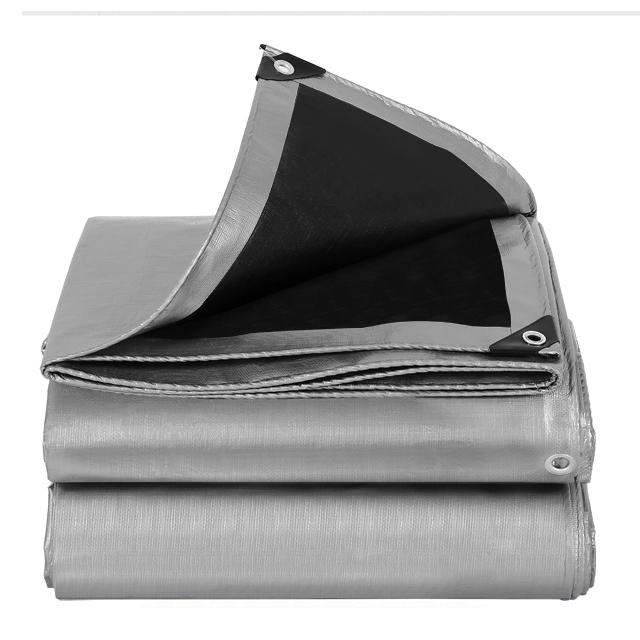
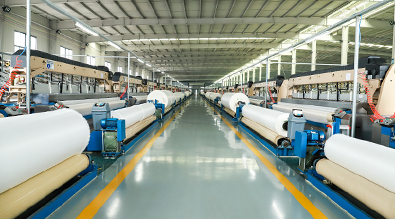
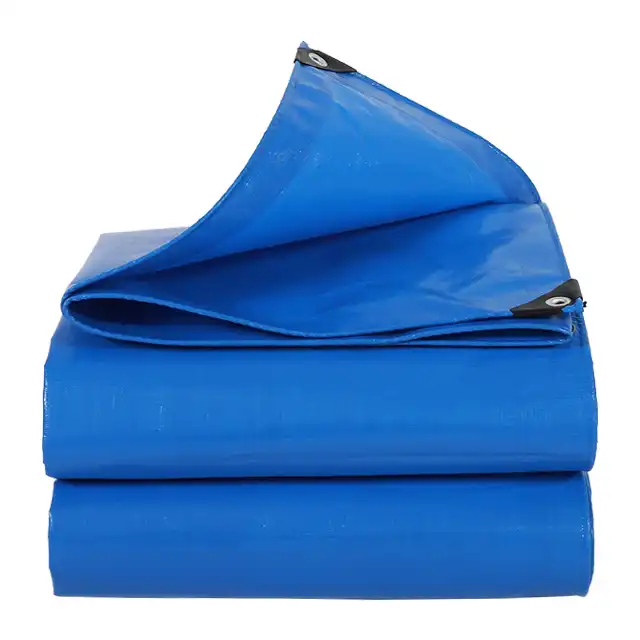
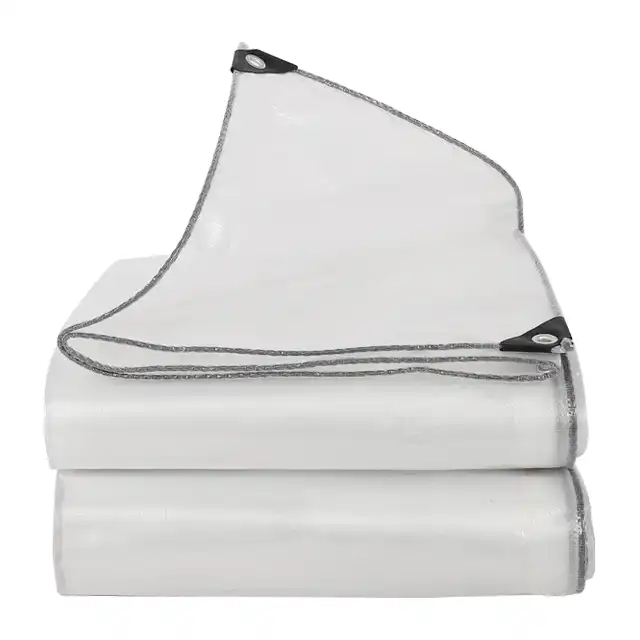
The material engineering and intended uses of greenhouse covers vary significantly. Conventional greenhouse plastics, such as acrylic sheets, polyethylene films, and polycarbonate panels, emphasize light transmission rates that are usually higher than 85% while preserving thermal insulation qualities that are essential for plant development. Designed especially for horticulture settings, these specialty materials have exact thickness specifications between 6 and 20 mil. Modern tarps have clear benefits in terms of weather resistance and longevity, especially those made using sophisticated polyethylene weaving processes. SENDOW TARPAULIN manufactures waterproof coatings, UV stabilizers, and high-density polyethylene coverings with reinforced edges that are resistant to severe weather. In comparison to conventional greenhouse films, our production method uses more than 400 automated water-jet looms imported from Korea, guaranteeing constant fabric quality and greater tensile strength.
Physical Performance Characteristics
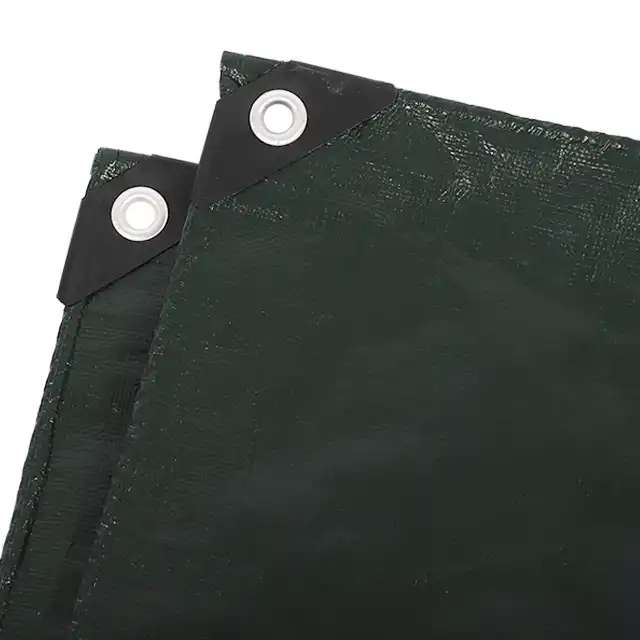
The distribution of weight is important when choosing a greenhouse covering. For comparable covering, heavy-duty tarps weigh between two and eight pounds, while standard greenhouse plastic weighs between 0.5 and 1.2 pounds per 100 square feet. The installation requirements, structural support requirements, and wind resistance capabilities are all impacted by this weight discrepancy. With fabric strengths ranging from 400D to 2500D yarn thickness, our reinforced PE tarps exhibit remarkable rip resistance and provide longer lifespans than conventional plastic films.
Evaluating Tarps as a Replacement: Benefits and Limitations
Operational Advantages of Tarp Solutions
The usefulness of tarps in some agricultural applications is becoming more widely acknowledged by commercial producers. One of the main benefits is ease of installation, as tarps can be fastened using common grommets, ropes, and fastening systems and need no specialized equipment. This simplicity of installation results in lower labor costs and quicker project completion times, which is especially advantageous for emergency crop protection situations or seasonal operations. Another strong argument in favor of tarp adoption is durability. Quality polyethylene tarps retain structural integrity for three to five years under ordinary agricultural usage, whereas conventional greenhouse plastic films typically do so for two to three years, according to field experiments carried out in a variety of temperature zones. Products from SENDOW TARPAULIN go through stringent testing procedures, such as tensile strength validation, UV exposure testing, and waterproof performance verification conducted by outside labs.
Performance Limitations and Considerations
When thinking about tarps as solutions to greenhouse plastics, the most important restriction is still light transmission efficiency. Compared to specialist greenhouse films, which reach light transmission rates of 85–90%, standard agricultural tarps only accomplish 60–75%. This decrease has a direct effect on photosynthetic efficiency and may need additional lighting systems for the best possible plant development, especially in northern regions or during the winter. Managing condensation poses extra difficulties. Conventional greenhouse plastics utilize surface treatments and anti-drip compounds to divert condensation away from plants. Without these specific characteristics, tarps may develop water droplets that may inhibit light penetration and encourage the development of fungi. However, by using exclusive surface treatments that reduce condensation formation, our cutting-edge coating technologies allay these worries.
How to Choose the Right Tarp for Greenhouse Use?
Environmental Assessment and Material Selection
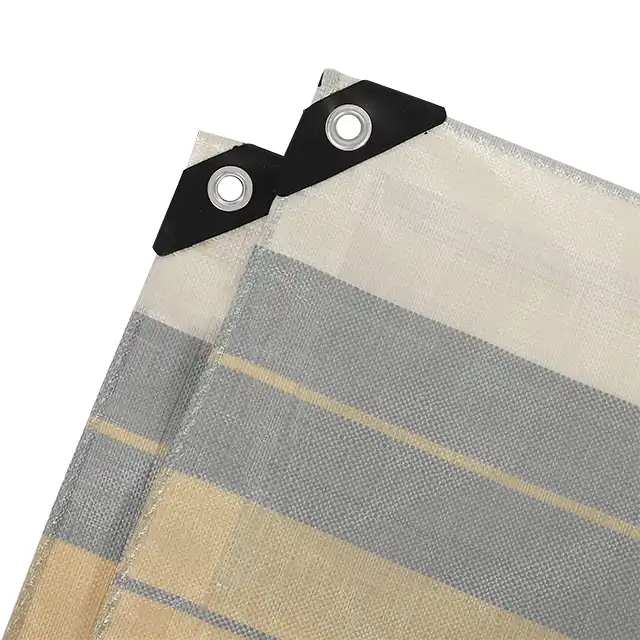
The selection parameters for tarps are greatly influenced by the climate. To avoid structural collapse, areas with significant wind loads need stronger edges and higher denier ratings. Our unique 5-meter weaving machinery is used to create SENDOW TARPAULIN's ultra-wide tarps, which reduce seam weaknesses typical of narrower textiles. Our 4.4-meter coating equipment provides consistent weatherproofing across the whole surface. Specifications for UV resistance should be carefully considered while choosing materials. UV stabilizers are used in high-quality agricultural tarps to stop polymer deterioration from prolonged sun exposure. In comparison to typical polyethylene materials, our production method uses specialist additives that increase material lifetime by 40–60%, offering better value for long-term installations.
Customization Options and Performance Features
Customized tarp solutions that are adapted to particular crop needs and structural configurations are beneficial to modern agricultural enterprises. Antimicrobial coatings aid in maintaining hygienic growth conditions, while fire-retardant treatments become necessary in some regions or insurance needs. Our research and development team has effectively created improved fire safety and waterproofing solutions that go beyond conventional greenhouse applications.
Procurement Guide: Buying Tarps for Greenhouse Applications
Supplier Evaluation and Quality Standards
Product quality and delivery dependability are directly impacted by supplier reputation and production capacity. Our dedication to quality management systems throughout the manufacturing process is shown by SENDOW TARPAULIN's ISO 9001:2015 accreditation. Under challenging field circumstances, our production standards and product dependability are validated by our cooperation with international organizations such as UNHCR, IOM, ICRC, and UNICEF. Large-scale procurement initiatives are made possible by production capacity and customized capabilities. Consistent supply chain performance is ensured by our facility's operation of 15 wire drawing lines, more than 200 water-jet looms, and 7 final product processing lines. Through extensive monitoring systems, the daily production capacity of more than 100 tons of tarpaulin sheets serves bulk requests while upholding quality requirements.
Cost Analysis and Value Engineering
The original purchase price, installation costs, maintenance needs, and replacement frequency must all be taken into account when calculating the total cost of ownership. Although quality tarps are more expensive initially, they often provide better long-term value because of their longer lifetime and lower maintenance requirements. For commercial businesses that need several buildings or frequent replacement schedules, our bulk purchase plans provide considerable cost savings.
Maintenance and Longevity: Optimizing Tarp Performance in Greenhouses
Preventive Maintenance Protocols
Frequent cleaning and inspection practices extend the life of tarps and preserve their best performance qualities. Monthly visual examinations find wear patterns, possible stress sites, and early signs of deterioration that may be fixed before a total replacement is needed. Without sacrificing the integrity of the materials or the UV protection coatings, collected dirt may be removed with gentle washing utilizing gentle brushes and light detergents.
Repair Techniques and Performance Optimization
Expert repair methods preserve structural performance in between replacement cycles and increase service life. Tears and punctures are successfully repaired using patch repair systems that use suitable adhesives and compatible polyethylene materials. To guarantee that repairs preserve the original waterproofing and strength qualities, our technical support staff offers comprehensive repair instructions and appropriate materials.
Conclusion
In some situations where durability, affordability, and speed of installation exceed the need for light transmission, tarps may successfully replace greenhouse plastic. High-quality polyethylene tarps are ideal for seasonal growing operations, emergency crop protection, and budget-conscious agricultural projects since they provide better weather resistance and lifespan than typical greenhouse films. However, conventional greenhouse polymers work well for certain greenhouse applications that need precise environmental control and maximum light penetration. In the end, the choice is made by weighing material performance attributes against operational demands, financial limitations, and particular crop needs.
Frequently Asked Questions
Q1: Can all tarps be used as greenhouse covers?
A: No, not all tarps are suitable for greenhouse applications. Agricultural-grade polyethylene tarps with UV protection, appropriate thickness measurements, and waterproof coatings are recommended to ensure adequate plant protection and material longevity. Standard construction tarps may lack the necessary UV stabilizers and light transmission properties required for plant growth.
Q2: How does tarp UV resistance impact plant growth?
A: UV resistance primarily affects material durability rather than direct plant growth impacts. Quality UV-resistant tarps maintain structural integrity and light transmission properties over extended periods, preventing material degradation that could reduce light availability or create harmful debris. Proper UV protection ensures consistent growing conditions throughout the material's service life.
Q3: What is the typical lifespan of a tarp used in greenhouse environments?
A: High-quality agricultural tarps typically last 3-5 years in greenhouse applications, depending on climate conditions, material quality, and maintenance practices. Factors influencing lifespan include UV exposure intensity, temperature fluctuations, wind loads, and proper installation techniques. Regular maintenance and prompt repairs can significantly extend the service life.
Partner with SENDOW TARPAULIN for Superior Greenhouse Solutions
SENDOW TARPAULIN delivers industry-leading polyethylene tarps specifically engineered for agricultural applications across global markets. Our comprehensive product range includes UV-resistant covers, waterproof solutions, and custom-sized options, all designed to meet the diverse requirements of greenhouses. With over 20 years of manufacturing excellence, ISO 9001:2015 certification, and partnerships with international relief organizations, we provide reliable quality and competitive pricing for commercial operations.
Our advanced manufacturing capabilities, including ultra-wide width weaving machines and specialized coating technologies, produce tarps that exceed industry standards for durability and performance. Whether you need standard greenhouse covers or custom solutions for unique applications, our experienced team provides technical guidance and comprehensive support throughout the procurement process. Discover why leading agricultural operations choose SENDOW TARPAULIN as their trusted tarps supplier.
Ready to explore premium greenhouse tarp solutions? Contact us at info@shengdetarp.com for detailed product specifications, bulk pricing information, and personalized recommendations based on your specific agricultural requirements.
References
1. Agricultural Engineering Society. "Comparative Analysis of Greenhouse Covering Materials: Performance and Economic Evaluation." Journal of Agricultural Structures and Environment, Vol. 15, Issue 3, 2023.
2. International Greenhouse Technology Institute. "UV Stabilization in Polyethylene Films: Impact on Agricultural Applications." Greenhouse Technology Review, Annual Report 2023.
3. American Society of Agricultural Engineers. "Standards for Greenhouse Covering Materials: Durability and Light Transmission Requirements." ASAE Technical Publication, 2023.
4. European Agricultural Research Council. "Cost-Benefit Analysis of Alternative Greenhouse Covering Systems in Commercial Horticulture." European Agricultural Economics Review, Vol. 28, 2023.
5. World Agricultural Plastics Association. "Global Market Analysis: Greenhouse Films vs. Alternative Covering Materials." Industry Market Report, 2023.
6. International Conference on Protected Agriculture. "Material Innovation in Greenhouse Construction: Emerging Alternatives to Traditional Plastics." Conference Proceedings, Las Vegas, 2023.