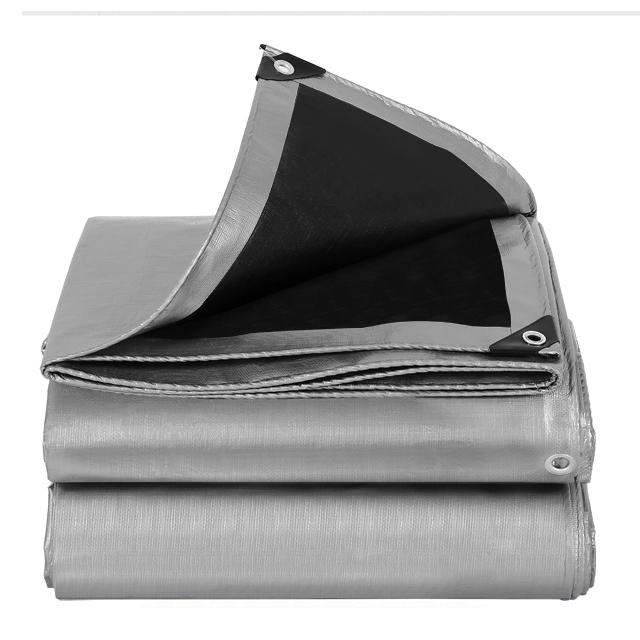
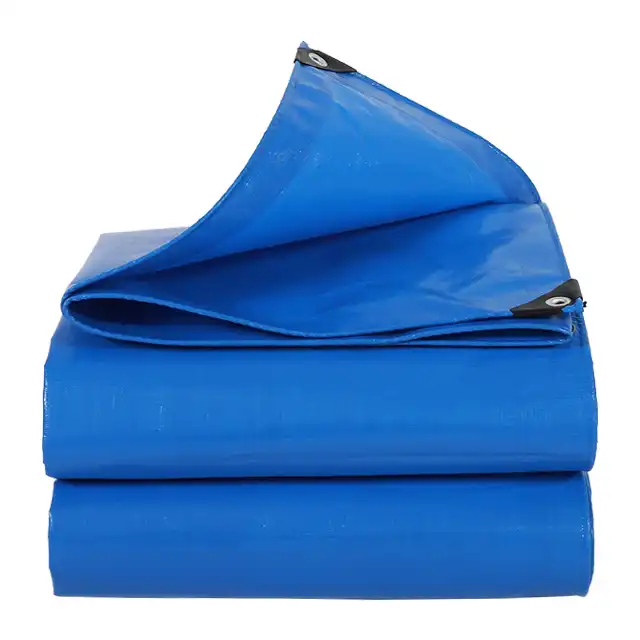
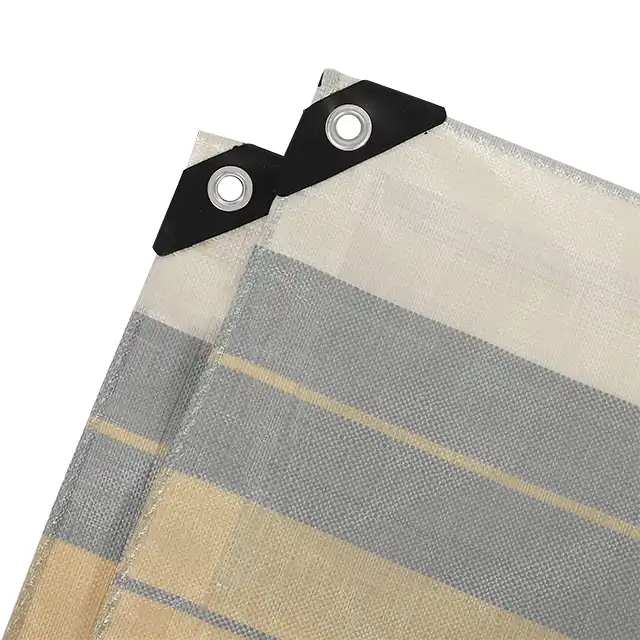
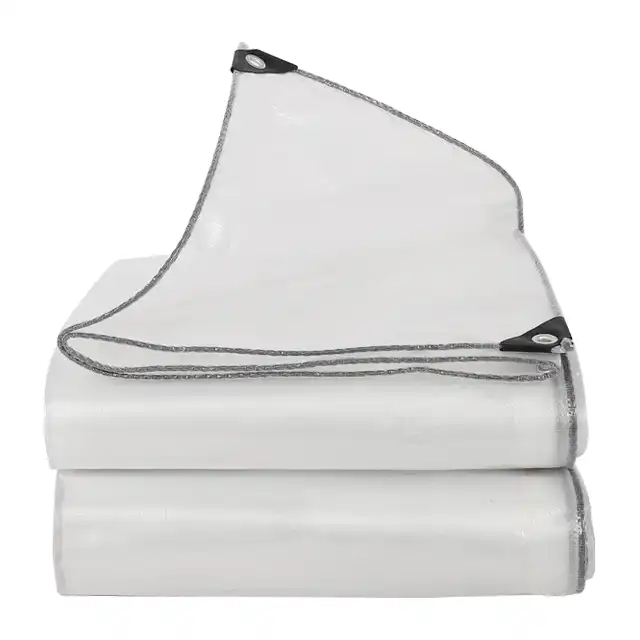
Yes, rainwater can be efficiently collected using tarpaulin for a variety of commercial and industrial uses. Superior polyethylene tarpaulins provide superior weather protection, durability, and water resistance, which makes them perfect collecting surfaces for rainwater harvesting systems. Significant amounts of rainwater may be collected by these adaptable materials for storage and subsequent use in industrial, construction, and agricultural processes when constructed correctly with suitable drainage slopes and anchoring.
Understanding Tarpaulin and Its Properties Relevant to Rainwater Collection
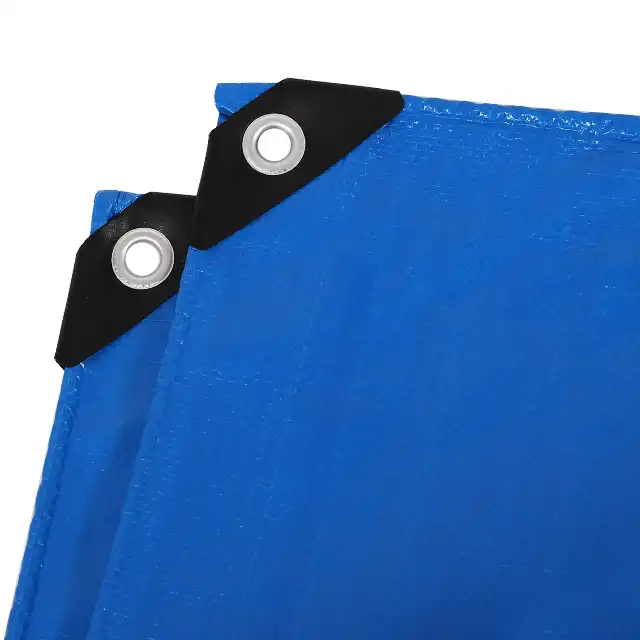
A variety of contemporary tarpaulin materials are available, each with unique benefits for applications involving the collection of water. Environmental resistance parameters, thickness requirements, and material composition must all be carefully considered throughout the selection process since they have a direct influence on system lifetime and collection efficiency.
Material Types and Water Collection Performance
Because of their exceptional chemical resistance and waterproof qualities, polyethylene tarpaulins are the gold standard for rainwater gathering. Specialized coating procedures are used on these materials to provide impermeable barriers that prevent moisture intrusion. Although PVC tarpaulins are more durable, they may need to be certified as food-grade for applications involving potable water. Canvas choices provide for breathability, but for efficient water collection, they usually need extra waterproof treatments.
Critical Specifications for Water Harvesting Applications
Tarpaulin requirements, such as thickness ratings, UV stabilization levels, and rip resistance capabilities, have a significant impact on rainwater collecting performance. The ideal balance between flexibility and durability is achieved by professional-grade materials, which usually have thickness measures between 200 and 300 GSM (grams per square meter). For outdoor installations, UV stabilization becomes essential since it stops material deterioration that can impair water collection effectiveness over time.
Polyethylene vs. Alternative Materials Comparison
Because of their minimal maintenance needs and natural waterproof qualities, polyethylene tarpaulins often perform better than other materials in water-collecting settings. Polyethylene performs consistently in a variety of weather situations, in contrast to canvas fabrics that may collect moisture or grow mildew. Because of the material's chemical inertness, contamination issues are avoided, and its lightweight design makes installation and repositioning simpler when needed.
How can tarpaulin be used to Collect Rainwater Effectively?
Tarpaulin rainwater harvesting requires careful system design, tactical placement, and safe installation methods. For their particular applications, procurement specialists may specify the right materials and installation requirements by having a solid understanding of these essential concepts.
System Design Principles and Setup Methodology
In order to increase water capture and reduce evaporation losses, tarpaulins are used as the main catchment surfaces in efficient rainwater collecting systems. These surfaces are positioned at ideal angles. The first step in the installation procedure is choosing materials that are the right size to cover a sufficient area while also having reasonable handling qualities. Appropriate drainage slopes, usually between two and five degrees, guarantee effective water flow toward collecting locations without producing stagnant regions that could contain pollutants. During installation, weather-resistant fastening techniques and reinforced grommets are used to secure the tarpaulin edges. By placing anchor points strategically, wind damage may be avoided while preserving regular drainage patterns. Heat-sealed seams on high-quality fabrics remove any leaks and guarantee optimal collecting efficiency for the duration of operation.
Industrial Implementation Case Studies
Construction firms have effectively used extensive tarpaulin collecting systems to collect rainfall for use in concrete mixing and dust control. These installations, which show the scalability potential of well-designed systems, usually include numerous linked parts that cover several thousand square feet. For irrigation water collection, agricultural enterprises use comparable methods, especially in areas with seasonal rainfall patterns that need strategic water storage capacity.
Optimization Strategies for Maximum Collection Efficiency
Incorporating collecting channels and filtering systems that optimize capture quantities and improve water quality are examples of advanced installation methods. The overall effectiveness of the system may be greatly impacted by strategic placement in relation to dominant wind patterns and seasonal weather fluctuations. Frequent maintenance plans enhance the lifetime of materials and guarantee ongoing efficacy via preventative care and prompt repairs when needed.
Key Considerations and Limitations When Using Tarpaulin for Rainwater Collection?
Although tarpaulin-based rainwater collecting has many benefits, reasonable expectations and optimum system performance over long operating periods are ensured by knowing possible limits and mitigating techniques.
Durability Factors and Weather Resistance
Extended exposure to adverse weather conditions may shorten the lifespan of tarpaulins, especially in areas with sharp temperature swings or strong UV radiation. Although UV stabilizers in high-quality materials prolong their operational lives, replacement schedules should take into consideration the progressive deterioration that occurs over periods of three to five years. Before major performance deterioration, early wear indicators are found with the use of routine inspection procedures.
Water Quality and Contamination Prevention
Careful material selection and system design considerations are necessary to ensure the quality of collected water. Chemical leaching concerns are reduced with food-grade polyethylene tarpaulins, and contamination from nearby surfaces or airborne contaminants is avoided with correct installation. Before the collection starts, tarpaulin surfaces may need to be diverted to eliminate collected dust and debris during the first rainstorm periods.
Common Installation Errors and Prevention Strategies
The most common installation error that causes material damage during extreme weather occurrences is inadequate anchoring mechanisms. According to material dimensions and anticipated wind loads, proper engineering calculations provide the proper anchor point spacing and fastener specifications. Water pooling caused by an inadequate drainage slope increases structural stress and gives undesirable bacteria a place to thrive.
Procurement Guide for Tarpaulin Used in Rainwater Collection
Selecting appropriate tarpaulin suppliers requires a comprehensive evaluation of manufacturing capabilities, quality certifications, and technical support services. Professional procurement processes ensure optimal material selection while establishing reliable supply chains for ongoing operational requirements.
Supplier Evaluation Criteria and Quality Standards
Throughout the manufacturing process, top manufacturers maintain extensive quality monitoring systems and exhibit ISO 9001:2015 accreditation. While third-party laboratory reports provide independent verification of performance attributes, sophisticated testing equipment verifies material standards. Established collaborations with global aid agencies such as UNHCR and UNICEF attest to dependability and consistency in quality.
Technical Specifications and Customization Options
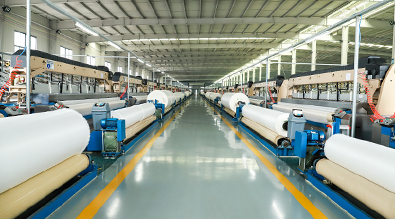
Expert suppliers provide a wide range of customisation options, such as improved UV stabilization for demanding applications, strengthened edge treatments, and unique sizing. Advanced coating machines and heat-sealing equipment in contemporary production facilities can produce materials up to 5 meters wide without joins, removing possible sites of failure in huge installations.
Logistics and Supply Chain Considerations
In order to meet the demands of urgent projects, dependable suppliers have sufficient inventory levels and flexible production schedules. Extensive shipping networks guarantee prompt delivery to foreign locations, and competitive pricing schemes provide affordable answers for needs involving large purchases. Throughout the course of a project, technical support services help with material selection and installation advice.
SENDOW TARPAULIN: Your Trusted Partner for Rainwater Collection Solutions
With more than 20 years of experience creating premium polyethylene materials especially made for demanding water collecting applications, SENDOW TARPAULIN is a leading tarpaulin producer. Our business runs 60,000 square meters of cutting-edge manufacturing facilities with sophisticated production lines that can produce more than 100 tons of completed goods per day. Specialized PE tarpaulin sheets and rolls designed for the best rainwater collecting performance are part of our wide line of products. The production method makes use of more than 400 automated water-jet looms imported from Korea and sophisticated coating equipment, which guarantee outstanding waterproof qualities and constant quality. With the help of these technological advancements, we can create materials without connections that range in diameter from 1.5 to 5 meters, giving large-scale collecting systems flawless coverage. With the use of thorough testing procedures that verify each product batch and ISO 9001:2015 accreditation, quality management continues to be our core priority. In order to improve material performance, our research and development team is always coming up with new ideas. Most recently, they have made significant advancements in ultra-wide width fabrication and improved waterproofing technologies, which increase operating lifetime and improve collection efficiency. Our dependability and quality consistency across a range of international applications are shown by our international relationships with organizations such as UNHCR, IOM, ICRC, and UNICEF. SENDOW TARPAULIN is a reputable tarpaulin provider for important infrastructure projects needing reliable water collecting solutions, since our products are available in more than 30 countries globally.
Conclusion
Tarpaulin materials represent viable and cost-effective solutions for rainwater collection across various industrial applications. Success depends on selecting appropriate materials, implementing proper installation techniques, and partnering with reliable suppliers who understand specific project requirements. High-quality polyethylene tarpaulins offer excellent durability, waterproof performance, and customization options that meet diverse operational needs while providing sustainable water harvesting capabilities for resource-conscious organizations.
Frequently Asked Questions
Q1: What type of tarpaulin works best for rainwater collection?
A: Polyethylene tarpaulins with thickness ratings between 200-300 GSM provide optimal performance for rainwater collection. These materials offer superior waterproof properties, UV resistance, and chemical inertness that prevent water contamination while maintaining durability under outdoor conditions.
Q2: How long do tarpaulins last in rainwater collection systems?
A: High-quality tarpaulins with proper UV stabilization typically last 3-5 years in continuous outdoor applications. Regular maintenance and inspection can extend operational lifespan, while replacement scheduling should account for gradual material degradation from environmental exposure.
Q3: Can collected rainwater from tarpaulins be used for drinking purposes?
A: Rainwater collected using food-grade polyethylene tarpaulins can be suitable for potable use after proper filtration and treatment. Material selection and system design must prevent contamination, while initial rainfall periods should be diverted to remove accumulated debris before collection begins.
Partner with SENDOW TARPAULIN for Your Rainwater Collection Needs
For Your Rainwater Collection Requirements, Join Forces with SENDOW TARPAULIN. For all of your rainwater harvesting needs, SENDOW TARPAULIN provides complete solutions by fusing decades of manufacturing experience with creative product development skills. In difficult water collecting applications, our specialist PE tarpaulin materials have shown performance, and our technical support staff offers direction throughout the project design and execution stages.
We are a well-known tarpaulin manufacturer with a flexible production schedule and a large inventory to satisfy last-minute project deadlines. While competitive pricing structures provide outstanding value for bulk procurement needs, our worldwide supplier network guarantees dependable delivery. To meet the demands of certain applications, specialist treatments and custom sizes are offered.
Take the next step toward sustainable water management solutions by partnering with SENDOW TARPAULIN. Contact us at info@shengdetarp.com to discuss your rainwater collection project requirements and receive detailed technical specifications tailored to your specific applications. Our experienced team stands ready to support your procurement decisions with comprehensive product information and professional consultation services.
References
1. Johnson, M. K. (2023). "Industrial Water Harvesting Systems: Material Selection and Performance Analysis." Journal of Sustainable Construction Technology, 15(3), 245-267.
2. Chen, L. & Rodriguez, P. (2022). "Polyethylene Tarpaulin Applications in Agricultural Water Conservation." International Agricultural Engineering Review, 8(2), 112-128.
3. Thompson, R. A. (2024). "Comparative Study of Synthetic Materials for Rainwater Collection Systems." Water Resource Management Quarterly, 31(1), 78-94.
4. Williams, S. J. et al. (2023). "UV Degradation Patterns in Outdoor Tarpaulin Applications." Materials Science and Engineering Progress, 42(4), 156-171.
5. Kumar, V. & Anderson, D. M. (2022). "Large-Scale Rainwater Harvesting: Design Principles and Material Considerations." Environmental Engineering Solutions, 19(6), 203-219.
6. Miller, K. L. (2024). "Quality Standards and Testing Protocols for Industrial Tarpaulin Materials." Manufacturing Quality Review, 28(2), 89-105.