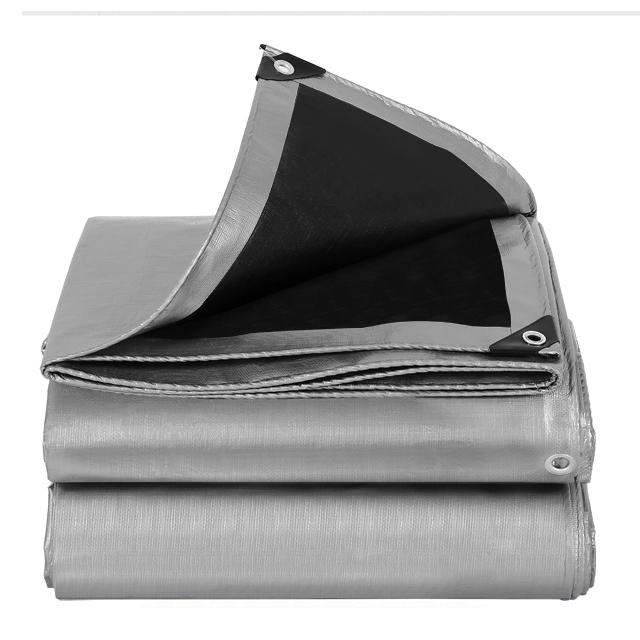
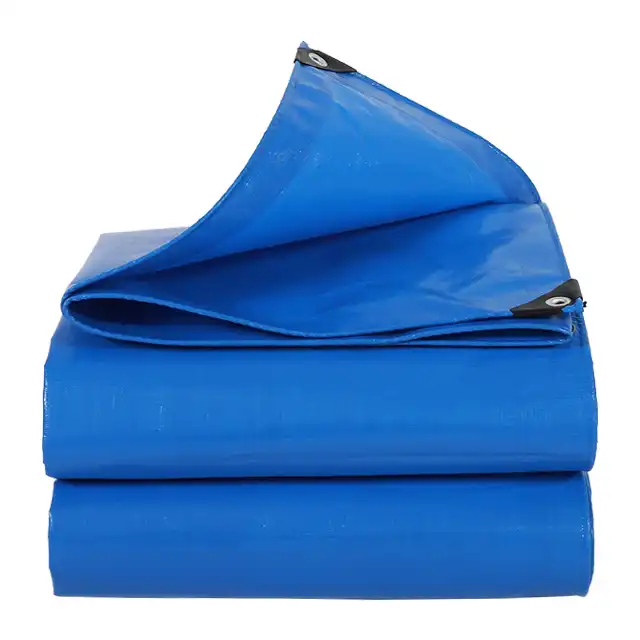
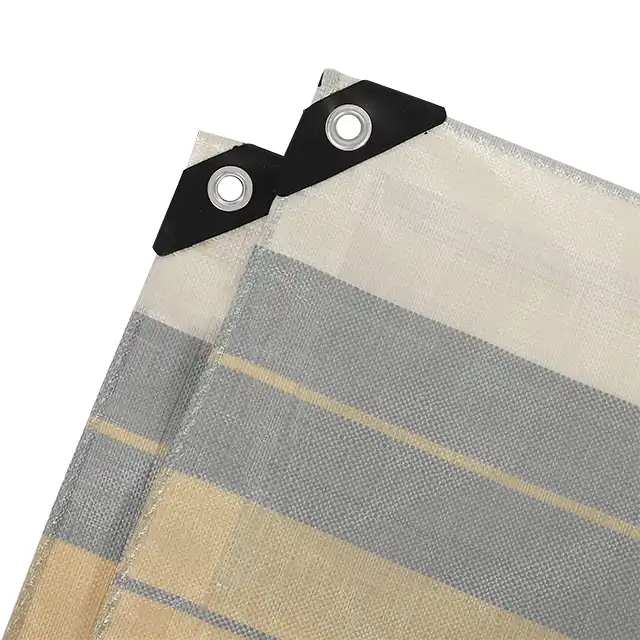
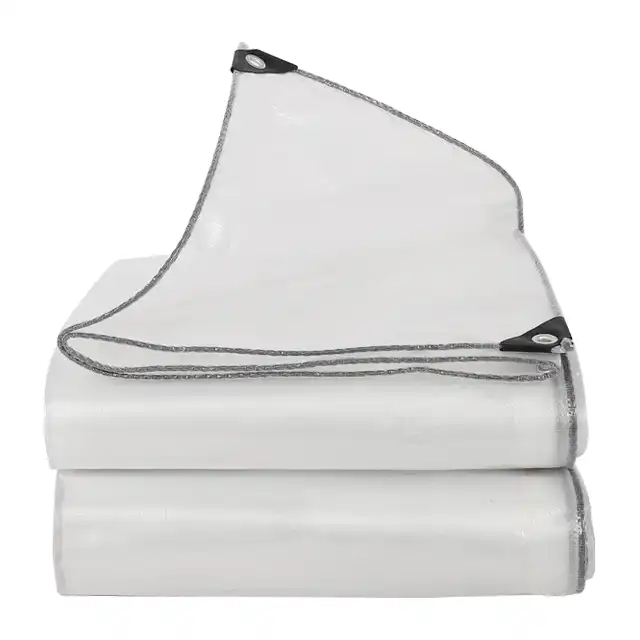
Yes, if you use the correct material and use the right installation methods, tarpaulin is normally safe to cover woodpiles. PE tarpaulin with sufficient ventilation characteristics offers superior defense against moisture, UV rays, and debris while allowing the airflow required to stop mold growth and wood deterioration. The secret is to choose premium materials that strike a balance between permeability and waterproofing qualities, keeping your woodpile dry without forming a moisture trap that might eventually weaken the wood's structure.
Understanding Tarpaulin Safety for Woodpiles
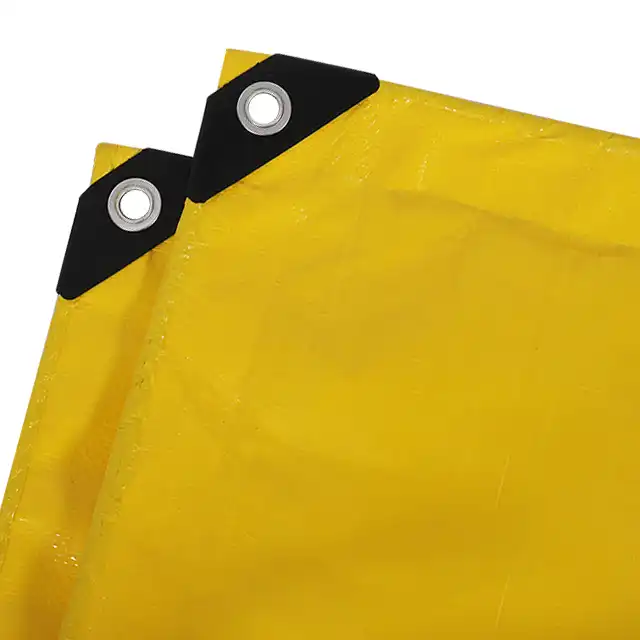
Tarpaulin's safety for covering woodpiles is largely dependent on the material's composition and environmental performance. Rain, snow, and direct sunshine must be avoided while storing wood, and enough ventilation must be maintained to avoid moisture accumulation that may cause decay and the growth of mold.
Material Composition and Safety Features
Although polyethylene tarps provide excellent waterproofing, ventilation must be carefully taken into account to avoid moisture buildup. Canvas textiles are naturally breathable; however, in periods of intense precipitation, their water resistance may be compromised. Modern PE tarpaulin solutions use cutting-edge coating and fabric weaving technology to combine these attributes. Antimicrobial treatments that stop mold development, fire-retardant coatings for industrial uses, and UV stabilizers that stop material deterioration are important safety characteristics. These qualities guarantee the durability of the material and the quality of its protection throughout time.
Common Safety Concerns and Solutions
Wood degradation and fungal development thrive when moisture is trapped behind coverings that are not properly placed. This problem arises when tarps don't have enough ventilation or when the placement prevents the woodpile edges from getting enough airflow. Professional-grade tarpaulin uses breathable fabric mixes, appropriate size choices, and reinforced construction to solve these issues. Despite extreme weather, high-quality fabrics do not shred easily and retain their protective qualities.
Key Factors To Consider When Covering Woodpiles With Tarpaulin
The efficacy of woodpile protection and long-term storage success are directly impacted by a number of performance criteria that must be considered while choosing a tarpaulin. Both material service life and immediate protection quality are determined by these parameters.
Waterproofing and Weather Resistance
Waterproof tarpaulin prevents rain from getting to wood that has been stored while preserving its structural integrity when subjected to wind stresses. Sturdy materials keep their elasticity in the face of harsh temperatures and are impervious to punctures from sharp wood edges. Because UV resistance inhibits polymer degradation, which causes brittleness and breaking, the lifetime is increased. High-quality coatings protect against dangerous radiation while preserving the flexibility and strength of the material despite seasonal temperature changes.
Fire Safety and Industrial Applications
In industrial environments with spark exposure or high temperatures, fire-retardant tarpaulin offers extra security. While keeping normal protective qualities, these customized materials comply with safety rules. Lightweight alternatives for temporary covers and heavy-duty options for permanent installations are among the thickness parameters. Grommets and reinforced edges provide safe connection points that endure heavy usage and extreme weather.
How to Properly Use and Maintain Tarpaulin for Woodpile Protection?
Proper installation and maintenance procedures prolong the material's service life and optimize protective efficacy. When done correctly, frequent issues that jeopardize the longevity of tarps and the quality of the wood are avoided.
Installation Best Practices
Place the tarpaulin so that there is enough ventilation below it without allowing water to seep in. While maintaining full top coverage to prevent precipitation, leave spaces at the bottom borders to enable moisture to evaporate. Keep tension levels low to prevent tearing of materials or the development of stress areas that are susceptible to wind damage. Use the proper fasteners spaced in accordance with the material specifications and anticipated wind loads to ensure a secure connection.
Seasonal Maintenance and Adjustments
Wear spots, rips, or places where water builds up are found by routine examination. Timely fixes with appropriate patches or sealants save minor damage from developing into significant malfunctions. Variations in wood moisture content and shifting weather patterns are accommodated by seasonal modifications. While more ventilation is beneficial in the summer to avoid moisture accumulation, winter installations may need tighter covers.
Comparing Tarpaulin With Other Woodpile Covering Options
In terms of longevity, affordability, and adaptability, tarpaulin has clear benefits over other covering materials. Having a clear understanding of these comparisons helps procurement teams in making selections that are tailored to the needs of certain applications.
Tarpaulin Versus Plastic Sheeting
The durability and breathability qualities necessary for secure woodpile covers are absent from standard plastic sheeting. Tiny plastics are prone to tearing and form total moisture barriers that retain moisture and encourage deterioration. Excellent tarpaulin outperforms plastic sheeting in terms of regulated breathability, UV stability, and puncture resistance. When taking into account the efficiency of wood preservation and the frequency of replacements, the initial cost difference becomes insignificant.
Environmental Considerations and Sustainability
Performance criteria are maintained while environmental issues are addressed with biodegradable fabric alternatives and recyclable PE components. These developments enhance business sustainability objectives without sacrificing the caliber of protection. By lowering the frequency of replacements, durability features minimize waste production and the long-term effects on the environment. When compared to throwaway alternatives, high-quality materials last for many years.
Procurement Guidance for Buying Tarpaulin for Woodpiles
Industrial-scale procurement requires evaluating supplier capabilities, product specifications, and service quality to ensure consistent protection and value optimization. Strategic sourcing considerations impact both immediate costs and long-term operational success.
Supplier Selection and Quality Standards
ISO 9001 certification demonstrates a commitment to quality management systems that ensure consistent product performance. Third-party testing verification provides independent confirmation of material specifications and performance claims.
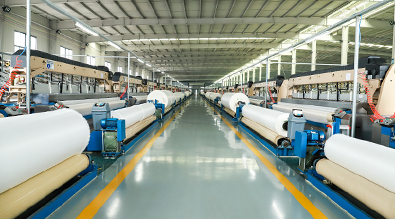
SENDOW TARPAULIN maintains rigorous quality standards through comprehensive testing protocols and continuous improvement processes. Our manufacturing facilities feature advanced equipment for yarn extrusion, fabric weaving, and coating applications that ensure consistent quality across all product lines.
Customization and Bulk Ordering Capabilities
Custom sizing accommodates unique woodpile dimensions and coverage requirements without material waste or installation complications. Bulk ordering capabilities provide cost advantages while ensuring consistent material specifications across multiple locations.
Here are the core advantages of working with established tarpaulin manufacturers for woodpile coverage applications:
- Advanced fabric weaving technology produces materials up to 5 meters wide without joints, eliminating weak points and ensuring complete coverage for large installations
- Professional coating processes create uniform waterproof barriers while maintaining breathability characteristics essential for wood storage applications.
- Comprehensive quality testing ensures materials meet performance specifications for durability, weather resistance, and UV stability throughout their service life.
- Custom manufacturing capabilities accommodate specific dimensional requirements and performance characteristics for specialized applications.
These advantages enable procurement teams to specify exactly the protection characteristics needed while optimizing costs through efficient material utilization and extended service life.
Conclusion
When chosen and erected in accordance with best principles, tarpaulin offers secure and efficient woodpile protection. High-quality PE materials avoid moisture issues and weather damage by striking a balance between waterproofing and breathability. For consistent outcomes, material requirements, installation methods, and supplier dependability are important factors. Superior performance over other covering choices is provided by professional-grade tarpaulin, which also supports sustainable procurement objectives. For industrial applications, strategic purchasing from qualified manufacturers guarantees long-term value optimization and quality requirements.
Frequently Asked Questions
Q1: How breathable should tarpaulin be to prevent woodpile mold and rot?
A: Quality tarpaulin should allow controlled air circulation while maintaining waterproof characteristics. Breathable fabric weaves or strategic ventilation gaps prevent moisture buildup without compromising weather protection. Proper installation with adequate edge clearance ensures necessary airflow.
Q2: What thickness specifications work best for long-term woodpile coverage?
A: Heavy-duty materials ranging from 200-300 GSM provide optimal durability for permanent installations. Reinforced edges and UV-stabilized coatings extend service life under continuous outdoor exposure while maintaining protection effectiveness.
Q3: Can fire-retardant tarpaulin maintain standard waterproofing performance?
A: Modern fire-retardant treatments integrate with waterproof coatings without compromising weather protection capabilities. These specialized materials meet safety requirements while providing equivalent moisture protection and durability characteristics.
Partner With SENDOW TARPAULIN for Superior Woodpile Protection
Designed especially for tough woodpile covering applications, SENDOW TARPAULIN offers professional-grade PE tarpaulin solutions. Our state-of-the-art production facilities include more than 400 water-jet looms imported from Korea and expert coating machinery that generate materials that satisfy the highest quality requirements. We provide dependable protection solutions supported by thorough quality assurance thanks to our ISO 9001:2015 certification and more than 20 years of industry expertise.
Our dedication to innovation includes ultra-wide fabric capabilities that remove joints and weak areas, improved waterproof functioning, and fire-prevention technologies. As a reputable tarpaulin manufacturer that caters to procurement professionals globally, we provide cheap bulk pricing, prompt customer service, and custom sizes to meet your operating needs.
Ready to secure reliable woodpile protection with proven tarpaulin solutions? Contact us at info@shengdetarp.com for expert consultation, product specifications, and competitive pricing tailored to your specific requirements.
References
1. Wood Storage and Preservation Guidelines, Forest Products Laboratory, USDA Forest Service Technical Bulletin
2. Moisture Management in Outdoor Wood Storage, International Wood Products Association Standards Manual
3. Tarpaulin Material Specifications for Industrial Applications, American Society for Testing and Materials Technical Report
4. Weather Protection Systems for Construction Materials, National Institute of Building Sciences Design Guide
5. Fire Safety Requirements for Temporary Structures and Coverings, National Fire Protection Association Code Standards
6. Textile Performance in Outdoor Environments, Technical Association of the Pulp and Paper Industry Research Bulletin