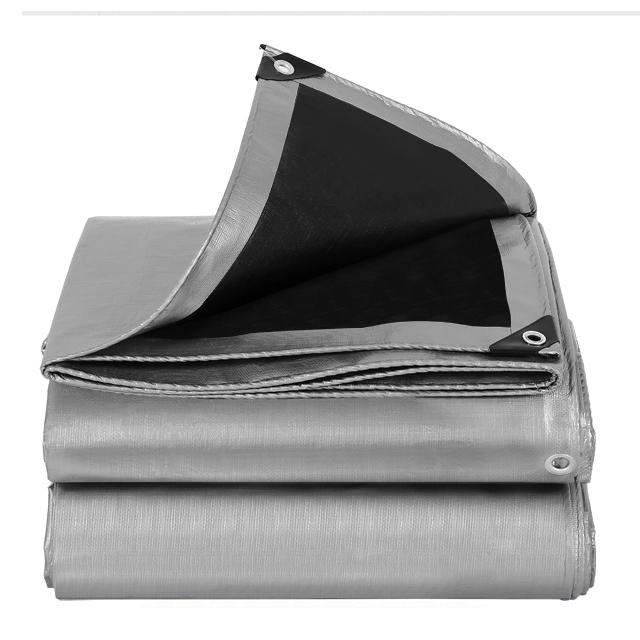
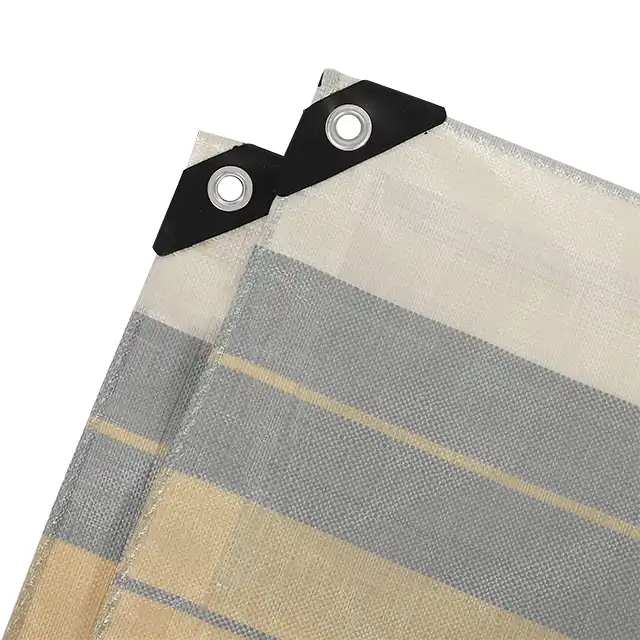
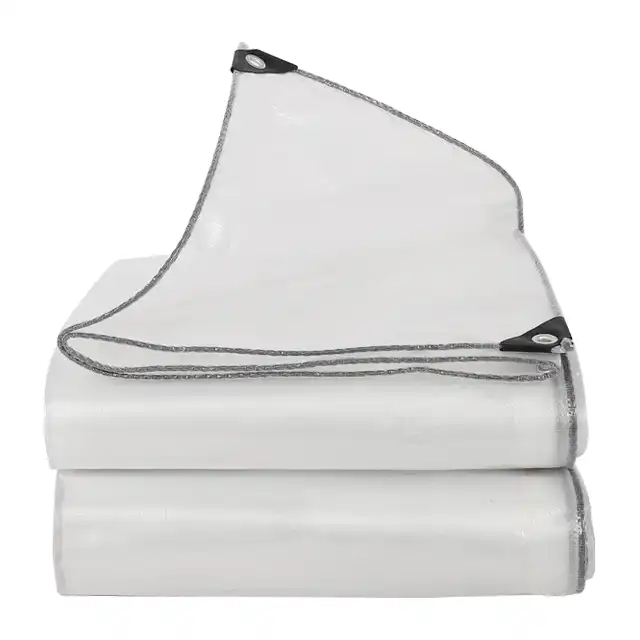
Fleet managers in Canada want dependable truck tarpaulins that can endure inclement weather and safeguard priceless cargo. Understanding fabric durability, waterproof ratings, and size criteria that align with the operating requirements of your fleet is essential to choosing the best tarp. When temperatures fall below freezing and winds surpass highway restrictions along Canada's extensive transportation routes, high-quality vehicle coverings become more than just decorations.
Understanding Canada's Unique Climate Challenges
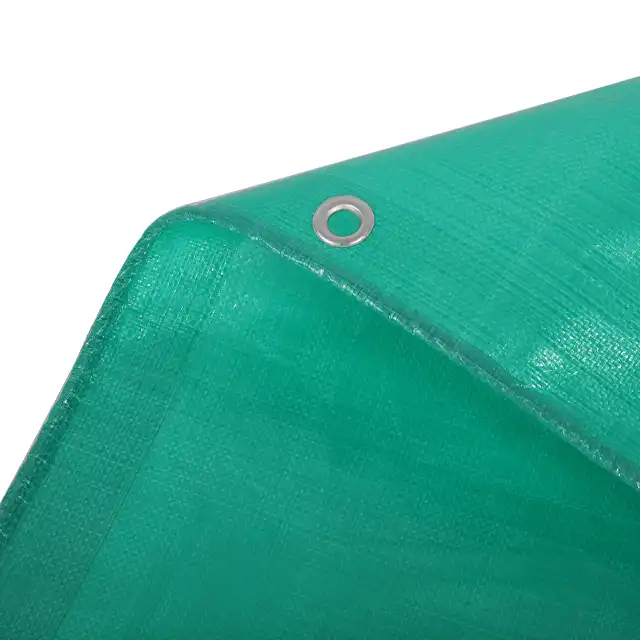
The many temperature zones in Canada put truck tarps under a lot of strain. While coastal humidity tests waterproof coatings, Arctic winds in northern regions put fabric strength to the test. Weaker tarps cannot withstand the expansion and contraction caused by temperature changes from -40°C in the winter to +35°C in the summer. Long summer days need heavy-duty tarp materials to withstand UV deterioration. Since secure cargo covering is required by Canadian rules, dependable truck tarp systems are required rather than optional. Fleet managers understand that maintaining delivery schedules and lowering cargo damage claims are two benefits of investing in high-quality waterproof tarp solutions. The weight of truck bed coverings is significantly increased by snow buildup. At cold temperatures, high-quality vinyl tarp constructions retain their elasticity while distributing this load uniformly. According to expert drivers, during prairie winters, subpar tarps break and become brittle, requiring expensive repairs and perhaps posing a safety risk.
Essential Material Specifications for Fleet Operations
Excellent chemical resistance and temperature-resistant flexibility are provided by polyethylene fabric, making truck tarpaulin solutions well-suited for protecting loads during long-distance transport under varying weather and road conditions. Alternatives to canvas tarps provide conventional durability, but in humid conditions, further waterproofing treatments are needed. Advanced polymer mixes that perform better than traditional materials are used in modern tarpaulin fabric. Denier ratings show the overall strength and thickness of the yarn. Different load needs and exposure levels are accommodated by fabrics with a range of 400D to 2500D. While ordinary cargo protection makes good use of mid-range standards, heavy-duty applications need higher denier counts. Waterproof performance and lifespan are determined by the thickness of the coating. Multiple coating layers that entirely seal fabric pores are a hallmark of professional-grade vehicle coverings. High-quality producers utilize specialized coating equipment to guarantee consistent thickness along the whole tarp surface, removing weak areas that lead to early failure. Tear propagation from stress sites is stopped by edge reinforcement. Compared to stitched edges, heat-sealed hems provide stronger connections while preserving flexibility. The concentrated troops that arise during securing and unsecuring operations are managed by corner reinforcements.
Sizing and Customization Requirements
Common trailer dimensions are accommodated by standard truck tarp sizes, but fleet variability sometimes necessitates unique solutions, which is why truck tarpaulin systems are often customized to ensure proper fit, secure coverage, and reliable load protection across different vehicle types. Measurements need to take fastening technique clearances and cargo height variances into consideration. While guaranteeing full load coverage, the proper size avoids water pooling. Specialized equipment may be fitted thanks to custom truck tarp fabrication. Specialized solutions that are ineffective for normal sizes are advantageous for unique trailer combinations. Expert manufacturers provide a wide range of customisation choices without sacrificing delivery schedules. When it comes to large loads, width becomes crucial. Weak joints that break under force are eliminated via seamless fabric fabrication. Superior strength for demanding applications is provided by an advanced weaving technique, which creates extra-wide fabrics up to 5 meters without center seams. For appropriate securing, length estimations must account for sufficient overlap. While too much material results in wind resistance and fuel consumption penalties, inadequate covering exposes the edges of the load. Skilled vendors provide size recommendations based on particular fleet specifications and operating trends.
Installation Systems and Hardware Compatibility
It is necessary for truck tarp straps to work with the trailer's current hardware. While unique configurations allow for specific attachment locations, standard D-ring spacing corresponds to the majority of commercial trailers. The clasp design and strap material must endure frequent usage under challenging circumstances. The kind of trailer and the properties of the load determine how the truck tarp system is integrated. While permanent installations are more effective for dedicated routes, roll-off systems are better suited for frequent loading operations. Although automated systems save driver effort, they come with greater upfront costs and maintenance obligations. Security and installation speed are impacted by hardware choice. While preserving load security, quick-release techniques increase operating efficiency. Standard steel is adequate for inland activities, whereas stainless steel components withstand corrosion in maritime settings. For truck tarp installation to be successful, the right training is necessary. Inadequate installation shortens the tarp's lifetime and poses safety risks. Installation instructions and troubleshooting help for fleet operations are included in manufacturer support.
Maintenance and Longevity Considerations
Frequent inspections find possible issues before they become failures. Unexpected replacement expenditures may be avoided by visually inspecting for paint degradation, fabric deterioration, and hardware corrosion. For operational ease, maintenance plans should coincide with when vehicles need to be serviced. Repairing truck tarps may greatly increase their lifespan. Drivers can quickly fix minor damage using patch kits designed for field repairs. Major damage is repaired by professionals using heat-welding tools and appropriate materials. Tarps are protected while not in use by proper storage. Permanent creases may be avoided using folding methods, while mold development and moisture buildup can be avoided with ventilation. Contamination that might eventually deteriorate waterproof coatings is eliminated in clean storage spaces. Road salt and chemical residues that hasten degradation are eliminated by cleaning processes. Most pollutants may be efficiently cleaned with mild detergent solutions without causing harm to protective coatings. Avoiding high-pressure cleaning is advised since it may push water through tiny coating flaws.
Cost Analysis and ROI Calculations
The initial purchase price is only one part of the whole cost of ownership. The quality of the material and the frequency of use have a significant impact on when to replace a truck tarpaulin. Despite their higher initial prices, premium materials can provide superior long-term value. The utility of cargo protection usually much outweighs the expense of tarps. When it comes to insurance, fleets that use certified waterproof tarps are preferred over those that use simple coverings. Improvements to claims histories may lower insurance rates enough to cover the cost of tarp upgrades. The influence of tarp design and installation quality on fuel economy varies. For long-distance operations, when wind resistance significantly impacts consumption, aerodynamic considerations become crucial. Flapping, which raises drag coefficients, is eliminated by proper size and fastening. Installation time and the need for driver training are included in labor expenses. Simplified systems preserve protective efficacy while lowering operational complexity. By reducing handling time and increasing schedule dependability, fleet efficiency gains can justify increased equipment expenditures.
Regulatory Compliance and Safety Standards
For several kinds of goods, secure load wrapping is required by Canadian shipping rules. Province and cargo classification have different standards for compliance. To prevent infractions and the resulting fines, fleet operators need to be aware of the relevant rules. Road safety issues and cargo protection are both covered by safety regulations. Inadequate fastening may cause cargo spills, while loose tarps put other drivers in danger. Expert-grade truck load cover systems continuously meet or beyond legal standards. Maintenance records and tarp specs are examples of documentation needed. Inspections by regulatory bodies may assess the quality of the installation and the state of the tarp. Keeping up-to-date compliance records shows regulatory cooperation and competent fleet management. Certain tarp grades and installation techniques are often necessary for insurance compliance. Underwriters are aware of the link between fewer claims and high-quality equipment. Minimum tarp requirements for coverage eligibility may be specified in policy terms.
Conclusion
Selecting appropriate truck tarps for Canadian fleets requires balancing material performance, sizing accuracy, and cost considerations. Quality industrial tarp solutions protect valuable cargo while ensuring regulatory compliance across diverse operating conditions. Investment in superior truck tarp accessories and systems delivers measurable returns through reduced damage claims, improved efficiency, and extended service life. Professional suppliers provide the technical expertise and customization capabilities that modern fleet operations demand for sustained success.
Partner with Shengde for Reliable Truck Tarpaulin Solutions
Shengde delivers professional-grade truck tarpaulin solutions backed by two decades of manufacturing excellence and proven performance across Canadian conditions. Our advanced production capabilities and quality certifications ensure your fleet receives dependable protection that meets demanding operational requirements. Ready to upgrade your truck tarpaulin supplier relationship? Contact us at info@shengdetarp.com to discuss your specific fleet requirements.
References
1. Transport Canada. "Commercial Vehicle Safety Guidelines and Load Securing Requirements." Government of Canada Transportation Safety Publications, 2023.
2. Canadian Trucking Alliance. "Fleet Equipment Standards and Best Practices Manual." Industry Safety and Operations Guide, 2023.
3. National Research Council Canada. "Cold Weather Performance Testing of Textile Materials in Transportation Applications." Technical Report Series, 2022.
4. Canadian Standards Association. "Cargo Protection Systems: Performance Requirements and Testing Methods." CSA Standard Publication, 2023.
5. Fleet Management Association of Canada. "Cost-Benefit Analysis of Heavy-Duty Vehicle Equipment Upgrades." Annual Industry Report, 2023.
6. Environment and Climate Change Canada. "UV Radiation Effects on Outdoor Materials: Canadian Climate Zone Analysis." Environmental Research Publication, 2022.