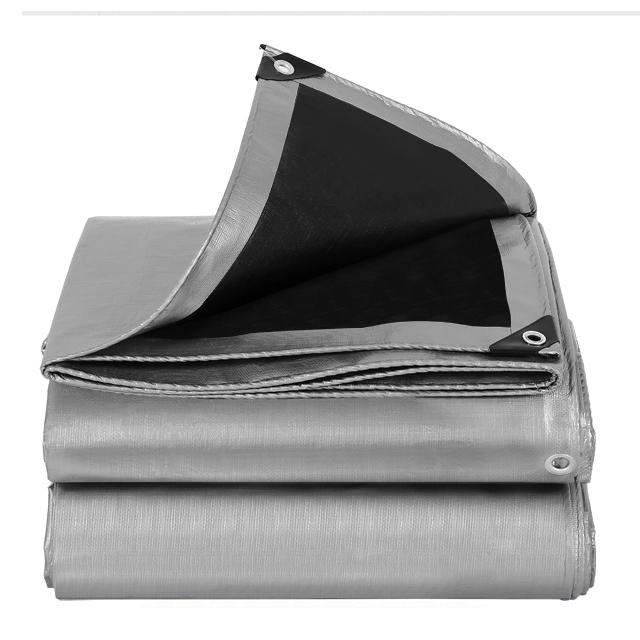
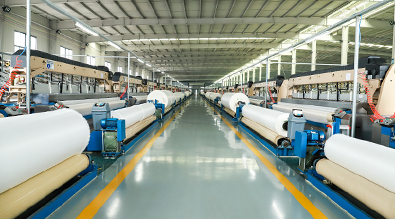
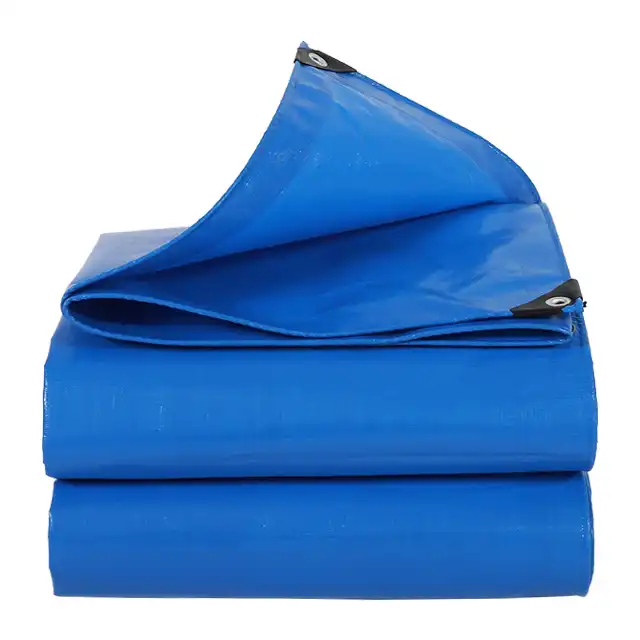
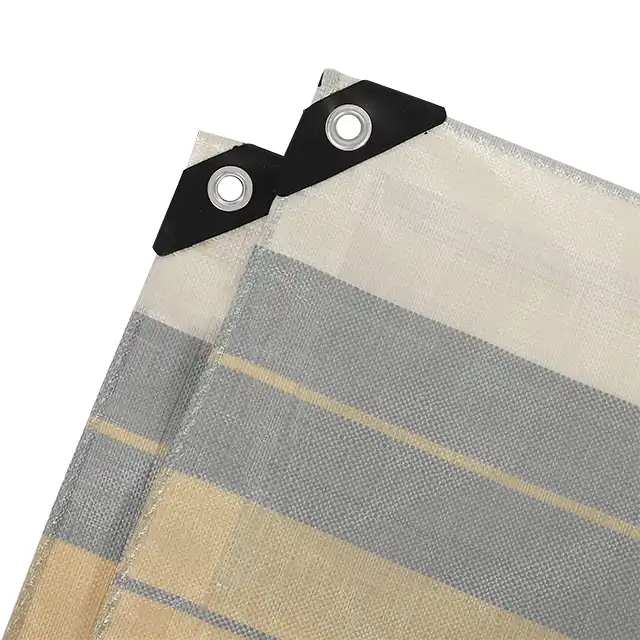
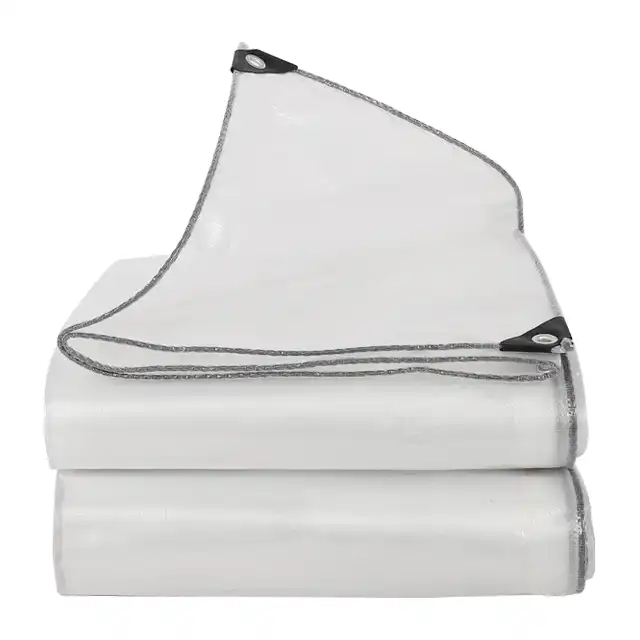
Choosing between tarpaulin rolls and precut sheets depends on your specific application needs, project scale, and customization requirements. While precut sheets offer convenience for standard-sized applications, tarpaulin rolls provide flexibility for large-scale projects and custom dimensions. Understanding the advantages of each format helps you make informed decisions that maximize efficiency and minimize waste in your operations.
Understanding Tarpaulin Formats: Rolls and Precut Options
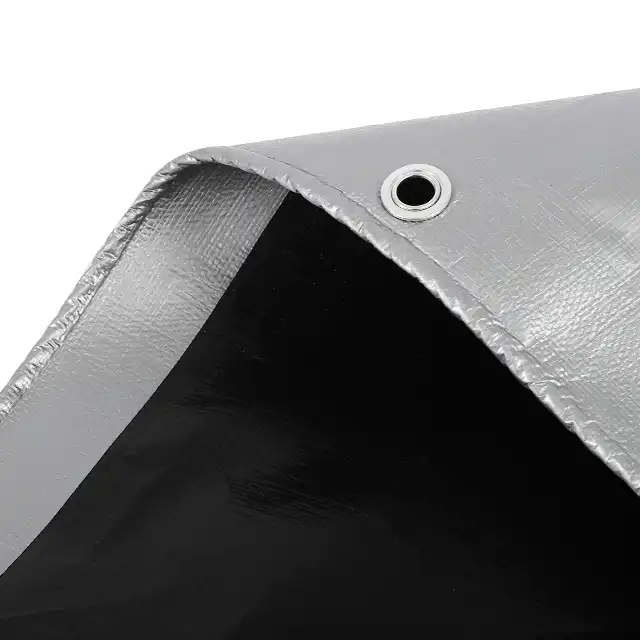
The sheeting business has two main types of products to meet the needs of different customers. Each format is used for different things and has different benefits based on the needs of the application. Tarpaulin rolls are made of continuous fabric that comes in standard lengths of 1.5 meters to 5 meters. Because these rolls can be cut to exact measurements, they are perfect for big installations and other unique uses. The continuous shape gets rid of seams and joints that could make the waterproofing less effective. Standardized sheets of pre-cut material come in sizes ranging from 2x3 meters to 10x15 meters. The ends of these sheets are finished, and they are reinforced with things like grommets or eyelets. You can start using this file right away, without any extra work. With today's manufacturing methods, both formats can get the same material qualities. Modern coating methods make sure that the thickness, resistance to UV light, and waterproofing are all the same across the whole width of the cloth.
Advantages of Tarpaulin Rolls for Industrial Applications
Roll forms are often preferred by industrial users because they are easier to customize and cheaper for big projects. Companies that make things can cut rolls to exact specs without throwing away any material. Custom width cutting gets rid of excess that isn't needed and saves material. For construction jobs, seamless coverage over large areas is helpful because it doesn't affect the waterproofing. Continuous coverage is used in agricultural uses to protect crops and provide shelter for livestock. Another big benefit is that storage space is used efficiently. Rolls take up much less room in the warehouse than sheets that cover the same area. Transportation costs go down because packages are packed more densely and don't need to be handled as much. When manufacturers keep the same parameters for ongoing manufacturing runs, quality control gets better with roll production. This makes sure that the thickness, coating, and material qualities are the same along the whole length.
Benefits of Precut Tarpaulin Sheets for Quick Deployment
Precut sheets work great for situations where they need to be used right away, and no special cutting tools are available. Standardized sizes help emergency reaction teams quickly build shelters and keep their tools safe. Retail markets like precut forms because they are easier for customers to use and handle. Homeowners can choose the right sizes without having to measure or cut anything. People who like to camp and do other outdoor activities like having ready-to-use sizes for tent tracks and equipment covers. When sheets are precut, installation goes much faster. Grommets and reinforced edges that are already placed save time in the field. Multiple people can work quickly and easily with sheets without needing special tools or knowledge of how to cut them. Standardized dimensions make it easier to handle inventory. Based on area demand patterns, distributors keep common sizes in stock. Using standard dimension charts, end users can correctly guess coverage areas.
Cost Analysis: Rolls vs Sheets for Different Project Scales
Cost factors change a lot depending on the size of the project, the level of customization needed, and the number of applications. Roll formats are usually better for big jobs because they use less material and cost less per square meter. When you buy rolls, you don't have to pay the extra fees that come with special cutting and edge finishing. Buyers in the industrial sector save 15–25% on supplies while keeping the same performance levels. For high-volume uses, buying in bulk lowers unit costs even more. When you add up all the prices of a small project, precut sheets may be a better deal. Higher material costs are often justified by the fact that cutting tools, labor, and trash disposal don't have to be used. Professional repair services charge more for cutting and fitting things to fit perfectly. Tarpaulin rolls are better for shipping dense goods to faraway markets, which is good for transportation costs. When compared to the same coverage in sheet style, container utilization goes up by 20 to 30 percent. International shipping costs go down in direct proportion to how well the room is used.
Applications and Use Cases for Each Format
The best format for a given application is chosen based on performance needs, installation limitations, and operating factors. Knowing these things will help you choose the right product. Rolls are used on construction sites to cover buildings, let concrete cure, and keep the weather out temporarily. Cutting things to order makes it possible to work with buildings that have odd shapes and sizes. Water can't get in through the seamless fitting, so the structure stays safe. In agriculture, it can be used to cover greenhouses, protect hay, and provide housing for animals. Wide-width cloth doesn't have any seams that could let water in. For seasonal installation, the sizes need to be changed to fit the field layout and machine clearances. Emergency response efforts depend on pre-cut sheets to get things set up quickly. Disaster aid groups keep standard sizes of materials on hand for building shelters and protecting supplies. For field activities and equipment camouflage, the military uses pre-cut formats. Truck covering is a hybrid use case that can benefit from both forms. Fleet managers like tires because they can be tailored to fit different car sizes. Each operator picks from sheets that have already been cut to normal trailer sizes.
Quality Considerations and Manufacturing Standards
When made by reputable companies using the same base materials and processing methods, the quality of the material stays the same across all forms. Advanced manufacturing makes sure that the properties are the same, no matter what the end format is. It has been tested for UV resistance and found that tarpaulin rolls and sheets made from the same base fabric work the same way. Accelerated aging tests show that the expected lifespan is the same in all kinds of environments. The waterproofing of a product rests more on the type of material used and the quality of the coating than on the format chosen. Modern polyethylene sheeting is very resistant to water because it is made with special polymer formulations and coated very carefully. When the right chemical treatments are used during production, the fire-retardant properties stay the same across all forms. Third-party testing labs make sure that both roll and sheet configurations meet performance standards. Tensile strength and tear resistance are the same across all forms because they come from how the fabric is made, not how it is finished. Edge binding and eyelet installation are examples of reinforcements that make sheets last longer without weakening the base material.
Storage and Handling Requirements
No matter what type is chosen, the right way to store things will keep them in good shape and make them last longer. Environmental settings stop damage from happening and keep performance at its best. Roll storage needs enough floor room and protection from water getting in. Positioning the cloth vertically stops damage from compression while keeping its structure. Controlling the temperature stops thermal expansion that could change the qualities of a material. To keep sheets from folding and losing their edges, they need to be stored in stacking systems that are well-organized. Individual sheet protection keeps grommets in good shape and keeps layers from sticking together. Controlling the climate keeps things flexible and stops them from becoming rigid. Different formats need different handling tools because they are of different sizes and weights. To move and position rolls safely, you need special lifting tools. Sheets can be handled by hand for smaller sizes, but bigger sizes need motorized help. Systematic stock management stops long-term storage degradation through inventory turnover. First-in, first-out methods keep materials fresh and make sure they keep their best properties. Potential problems are found before they affect performance through regular review.
Conclusion
Selecting between tarpaulin rolls and precut sheets requires careful consideration of project requirements, budget constraints, and operational capabilities. Rolls offer superior customization and cost-effectiveness for large applications, while sheets provide convenience for standard installations. Understanding these differences enables informed decisions that optimize project outcomes and material utilization. Quality manufacturers provide excellent performance regardless of format selection, ensuring reliable protection across diverse applications.
Partner with Shengde for Premium Tarpaulin Roll Solutions
Shengde delivers exceptional tarpaulin rolls with advanced manufacturing capabilities and proven quality standards. Our extensive production capacity ensures a reliable supply for projects of any scale. Contact us at info@shengdetarp.com to discuss your specific requirements with our technical team.
References
1. Smith, J.R. and Wilson, M.K. "Industrial Tarpaulin Applications: Format Selection and Performance Analysis." Journal of Protective Materials Engineering, Vol. 28, No. 3, 2023, pp. 145-162.
2. Chen, L.P. "Cost-Benefit Analysis of Tarpaulin Roll versus Sheet Formats in Construction Applications." International Construction Materials Review, Vol. 15, No. 2, 2023, pp. 78-94.
3. Thompson, R.A. "Comparative Study of Storage and Handling Methods for Different Tarpaulin Formats." Materials Handling Quarterly, Vol. 42, No. 1, 2023, pp. 23-38.
4. Kumar, S. and PatelN.VV.. "Quality Assessment of Roll and Sheet Format Polyethylene Tarpaulins." Polymer Testing International, Vol. 67, No. 4, 2023, pp. 301-315.
5. Garcia, M..E. "Emergency Response Applications: Tarpaulin Format Selection for Disaster Relief Operations." Emergency Management Today, Vol. 19, No. 6, 2023, pp. 112-127.
6. AndersoD.B..B. "Manufacturing Efficiency in Tarpaulin Production: Roll versus Sheet Processing Economics." Industrial Polymer Journal, Vol. 33, No. 5, 2023, pp. 89-103.