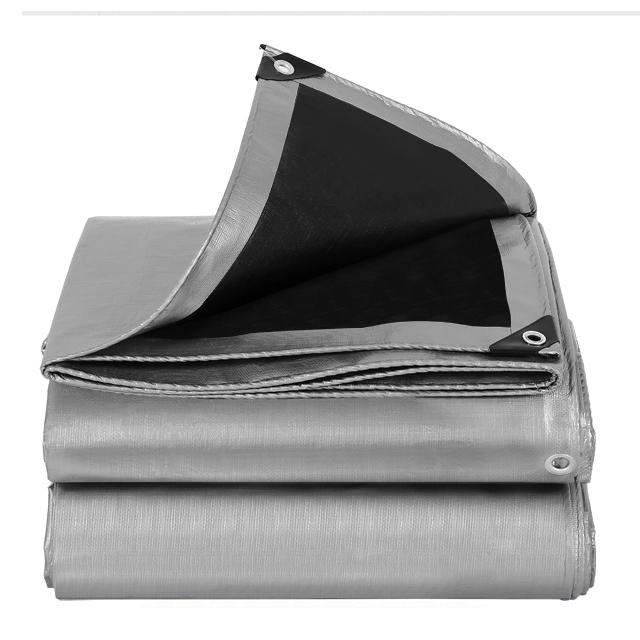
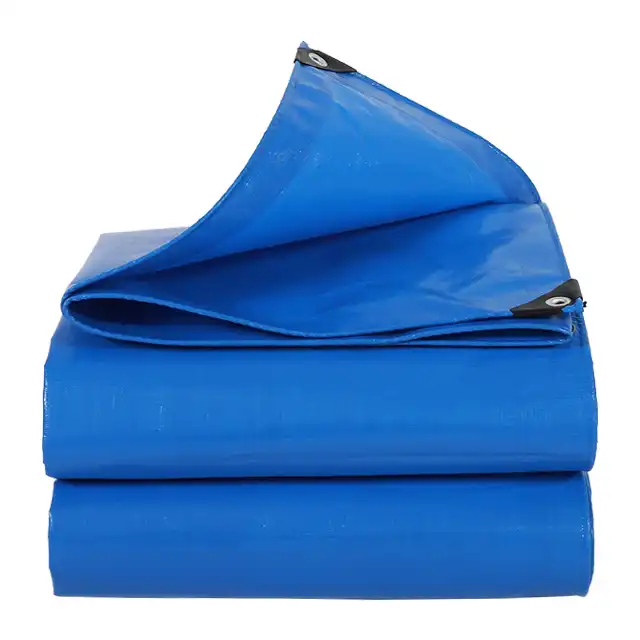
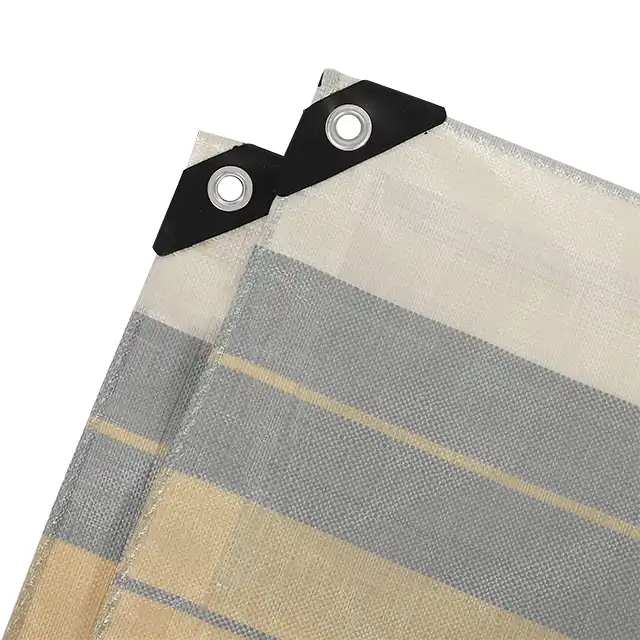
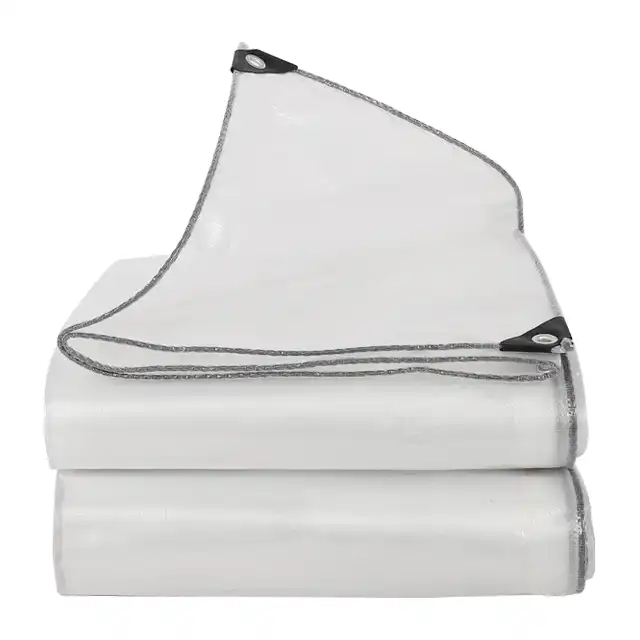
When Brazil's rainy season arrives between December and March, choosing the right tarpaulins becomes crucial for protecting your property, equipment, and agricultural investments. High-quality waterproof covers can mean the difference between costly damage and complete protection during torrential downpours that characterize Brazil's tropical and subtropical climates. The best tarpaulins for Brazilian conditions combine superior waterproofing, UV resistance, and durability to withstand both intense rainfall and harsh sunlight throughout the year.
Why Brazilian Conditions Demand Superior Protection?
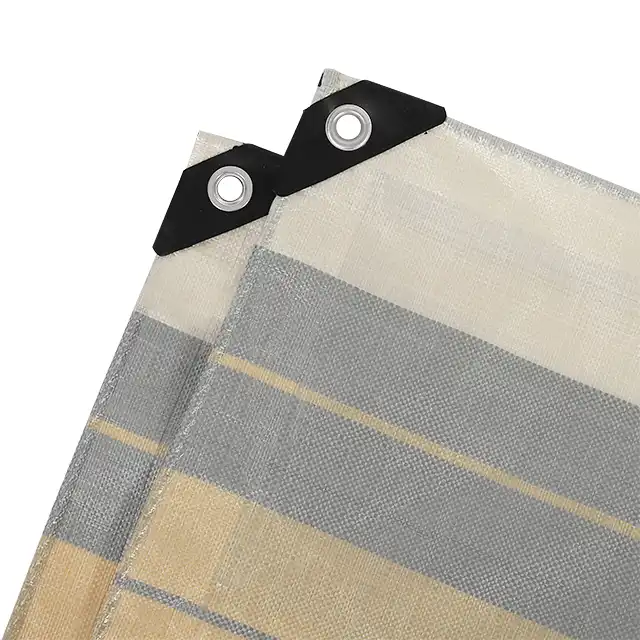
Brazil's many climatic zones present particular difficulties that require certain safeguards. The nation has some of the most extreme rainfall patterns in the world; areas like the Amazon get more than 2,000 mm of rain a year. Rainfall may reach over 100 mm per day during the wettest months, making it necessary for any protective material to function very well in terms of waterproofing. The atmosphere is harsh for materials because of the high humidity, strong UV rays, and temperature swings. Standard coverings often break down in a matter of months, requiring expensive replacements and perhaps causing harm to priceless possessions. Long-term benefits of investing in high-quality protective materials may be better understood by taking into account certain environmental conditions. Reliable weatherproof solutions are essential for residential homes, construction sites, and agricultural activities across Brazil. The appropriate protective covering guarantees business continuation regardless of weather conditions, from securing equipment in São Paulo's industrial zones to protecting coffee crops in Minas Gerais.
Essential Selection Criteria for Brazilian Markets
It is necessary to assess a number of crucial performance criteria in order to choose the best protective materials for Brazilian circumstances. The most crucial factor is the waterproof rating; materials must be able to endure extended exposure to heavy rain without losing their integrity. Because Brazil's harsh sunshine may deteriorate inferior materials in a matter of months, UV resistance is similarly important. UV stabilizers included in high-quality protective coverings keep their strength and flexibility even after prolonged exposure to the sun. Reliability throughout the year is ensured by this combined resistance to moisture and sunlight. In settings where coverings are subjected to stress from wind, debris, and handling, tear strength and puncture resistance are crucial. Compared to stitched alternatives that may cause leaks, materials with reinforced edges and heat-sealed seams provide greater durability.
Material Composition Standards
High-density polyethylene structure with specific coatings for improved performance is used in premium protective coverings, making tarpaulins highly resistant to moisture, UV exposure, and mechanical wear in demanding outdoor and industrial applications. Durability and lifespan are directly impacted by the thickness of the base material, which is expressed in denier. For demanding applications, professional-grade alternatives usually have ratings of 1000D or greater.
Size and Configuration Options
For seamless protection, width choices are essential since Brazilian applications often call for wide covering areas. Wide-format materials do away with junctions that might be sources of leaks and weak areas. Capabilities for custom sizing guarantee the best fit for particular uses.
Certification and Quality Assurance
International quality certifications provide confidence in material performance under extreme conditions. ISO 9001 certified manufacturers demonstrate consistent quality control processes that ensure reliable product performance across production batches.
Top Performers for Brazilian Applications
Heavy-Duty Agricultural Protection
Covers that can shield priceless crops, machinery, and stored goods from both rain and strong sunshine are necessary for agricultural uses across Brazil's extensive farming areas. The perfect agricultural protection material has a professional-grade waterproof coating and reinforced construction with a minimum 1200D polyethylene foundation. These specialist agricultural coverings include UV stabilizers that keep them completely waterproof during rainy seasons while preventing deterioration throughout Brazil's dry season. For safe installation with rope or bungee systems, the material design has reinforced edges with brass grommets set at regular intervals. Because stored grain and equipment might produce heat that lesser materials cannot endure, temperature resistance becomes essential for agricultural uses. Brazil's whole climatic range is covered by premium choices, which remain flexible in temperatures between 5°C and 65°C. Both durability and the capacity to shed water are influenced by the weaving pattern. For big agricultural installations, cross-laminated structure offers exceptional tear resistance and lightweight handling qualities.
Industrial and Construction Grade Solutions
Protective materials that can endure challenging worksite conditions and provide dependable weather protection are necessary for Brazil’s expanding construction sector, and tarpaulins play a critical role in safeguarding equipment, materials, and structures against rain, sun, and debris. For optimal durability against hard handling and environmental stress, industrial-grade alternatives have improved thickness ratings that usually surpass 1500D. Flame-retardant treatments that satisfy international safety requirements and preserve waterproof performance are advantageous for construction applications. The flexibility and durability of the material are unaffected by these specific treatments, guaranteeing safe operations for the life of the project. For building applications, wind resistance becomes crucial, especially in coastal areas where rain and strong ocean breezes coexist. Superior anchor point strength for safe installation in windy situations is provided by reinforced hem construction with webbing. For industrial applications where coverings may come into contact with oils, solvents, or other materials often found on building sites, chemical resistance adds value. High-quality materials maintain their waterproof qualities while withstanding deterioration from cleaning agents and gasoline spills.
Residential and Commercial Protection
Brazilian homeowners and small companies want dependable protection options that strike a balance between cost and effectiveness. Typically, residential-grade alternatives have 800D to 1000D construction, which is enough for safeguarding outdoor furniture, cars, and equipment storage spaces. For residential applications, aesthetics are important, with color choices that both functionally protect and enhance the look of the property. Due to their exceptional UV stability and seamless integration with landscape features, blue and green alternatives are quite popular. For domestic customers who may lack expert installation skills, features that are simple to install become crucial. Clear installation instructions, reinforced tie-down points, and pre-installed grommets guarantee correct deployment for optimal protection efficacy. Residential consumers with little storage space are drawn to compact storage capabilities. High-quality fabrics fold up small without permanently creasing, making storage between uses easy while preserving optimal functionality while in use.
Understanding Brazil's Regional Climate Variations
The continental size of Brazil produces a variety of microclimates that affect the use of protective materials. The Amazon area requires materials with exceptional mold and mildew resistance in addition to waterproof performance because of the region's year-round high humidity and rainfall. While rainfall is milder in the south, temperature fluctuations are more severe, which may put stress on material joints and seams. For dependable performance in these domains, flexibility retention throughout broad temperature ranges becomes essential. Coastal areas are exposed to salt air, which, if not well protected, may hasten material deterioration. In maritime conditions, salt-tolerant material treatments and corrosion-resistant components greatly increase service life. Materials that can withstand high UV exposure during prolonged dry spells and provide total protection during short but heavy rainy seasons are needed in the semi-arid Northeast. For dependable performance, this combination requires outstanding material engineering.
Professional Installation and Maintenance Guidelines
The effectiveness of protective materials is maximized, and service life is greatly increased with proper installation, ensuring tarpaulins deliver consistent coverage, secure fastening, and long-term protection in demanding environments. Making sure the surfaces of the foundation are smooth and devoid of sharp edges or protrusions that might harm the material during thermal expansion or wind movement is known as foundation preparation. Water buildup that might stress materials and cause failure spots is avoided by taking drainage into account. Water may flow down at slight slope angles without collecting, which would put undue strain and weight on the system. Schedules for regular inspections assist in spotting little problems before they become bigger ones. Quarterly inspections during dry spells and monthly checks throughout the wet season identify emerging issues early on, while repairs are still easy and affordable. Cleaning procedures eliminate organic materials and dirt that might encourage the formation of mold or provide abrasive conditions. While eliminating pollution that can impair performance, gentle washing with mild soap solutions preserves material integrity.
Cost Analysis and Value Considerations
Longer benefit life and superior assurance capabilities make the beginning speculation in high-quality defensive materials beneficial. In Brazil, premium choices as a rule final five to seven a long time, whereas economy choices final one to two a long time. In expansion to fabric costs, substitution costs can incorporate labor costs for establishment, transfer expenses, and conceivable hurt from deficiently assurance in the occasion of a fabric disappointment. Calculations of the add up to taken a toll of possession reliably favor high-quality materials over low-quality options. For commercial operations, when a fabric disappointment might cause operations to be disturbed or important stock to be harmed, trade coherence gets to be vital. Solid assurance keeps operations running easily and maintains a strategic distance from costly disturbances. Guarantee scope includes esteem by illustrating the manufacturer's confidence in the usefulness of the item. Prevalent fabric quality and generation strategies that ensure solid execution are reflected in expanded guarantees.
Industry Trends and Summary
The protective materials industry continues evolving with enhanced UV stabilizers, improved waterproof coatings, and stronger base materials. Smart material technologies incorporating sensors for condition monitoring represent emerging trends for industrial applications. Sustainability considerations drive the development of recyclable options without compromising performance. Brazilian markets increasingly demand customized solutions that address specific regional climate challenges, pushing manufacturers toward flexible production capabilities and enhanced technical support services.
Conclusion
Selecting optimal protective materials for Brazil's challenging climate requires balancing performance, durability, and cost considerations. Quality polyethylene construction with proper UV stabilization and waterproof coatings provides reliable protection across Brazil's diverse environmental conditions. Investment in premium materials delivers superior value through extended service life, consistent performance, and reduced replacement frequency. Professional installation and regular maintenance maximize material performance while preventing costly failures during critical weather events.
Frequently Asked Questions
Q1: How long do quality tarpaulins last in Brazil's harsh climate conditions?
A: Premium polyethylene materials with proper UV stabilization typically last 5-7 years under Brazilian conditions when properly installed and maintained. The key factors affecting longevity include UV resistance, proper installation, and regular maintenance to prevent debris accumulation.
Q2: What thickness rating should I choose for agricultural applications in Brazil?
A: Agricultural applications in Brazil perform best with materials rated 1200D or higher. This thickness provides adequate tear resistance for handling while maintaining cost-effectiveness for large coverage areas. Heavier ratings may be necessary for equipment protection or high-wind areas.
Q3: Can I use the same protective covering year-round in Brazil's varying conditions?
A: Yes, quality materials designed for Brazilian conditions handle both rainy season moisture and dry season UV exposure effectively. Look for materials with dual UV/waterproof protection and temperature flexibility from 5°C to 65°C for year-round reliability.
Partner with Shengde for Premium Protection Solutions
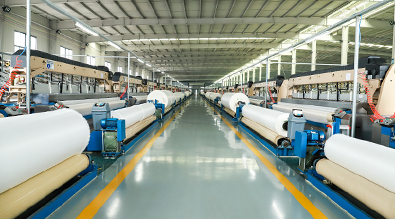
Shengde stands as your trusted tarpaulin manufacturer, delivering over two decades of expertise in protective material engineering. Our advanced production capabilities, including 400+ Korea-imported water-jet looms and specialized coating systems, ensure consistent quality that meets Brazil's demanding conditions. With partnerships spanning UNHCR and UNICEF, plus exports to 30+ countries, we understand diverse climate challenges. Our ISO 9001:2015 certification and 100+ tons daily production capacity guarantee a reliable supply for projects of any scale. Contact us atinfo@shengdetarp.com to discuss your specific protection requirements.