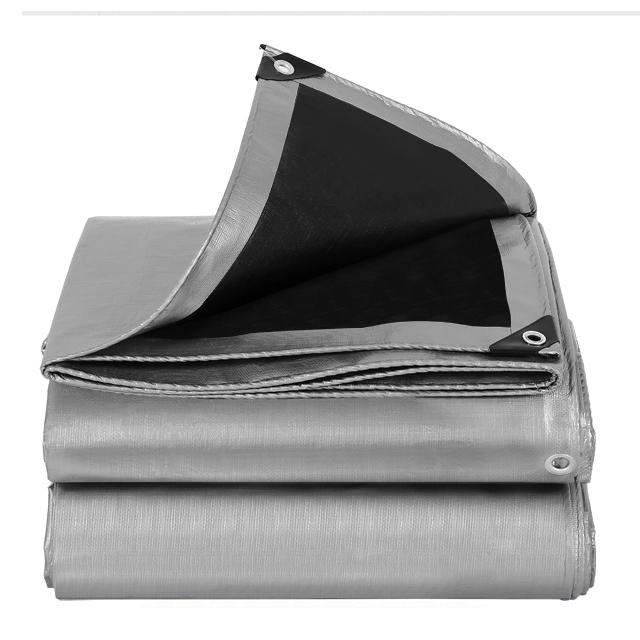
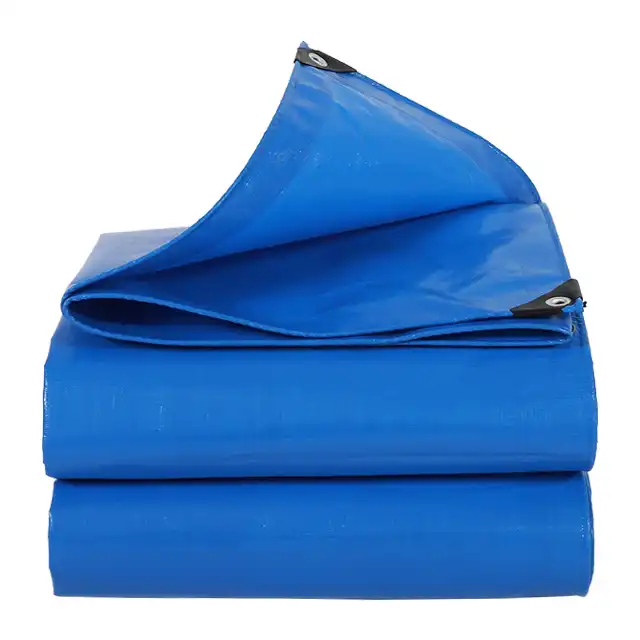
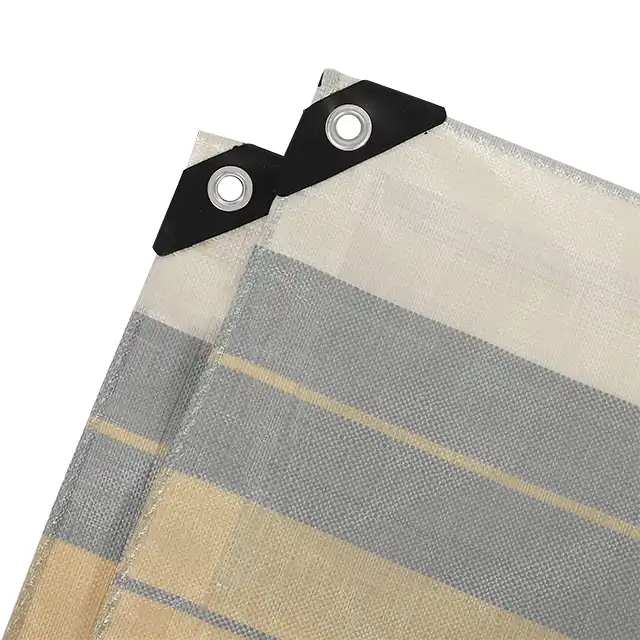
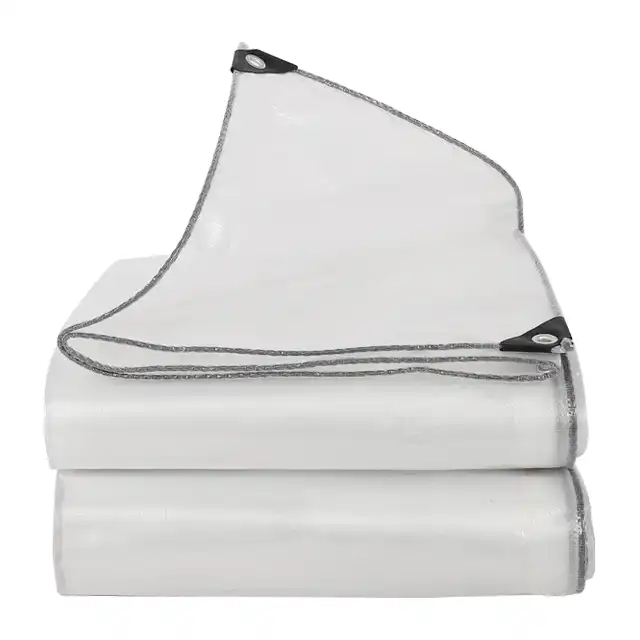
Importers often ask makers about how long tarpaulins will last, how waterproof they are, how resistant they are to UV light, and how much they cost for large orders. Product approvals, shipping times, customizable options, and the long-term dependability of the provider are some of the most important things to think about. By answering these basic questions, buyers can find reputable companies that make waterproof, heavy-duty plastic covers that meet the needs of specific industries, such as building, farming, and outdoor security.
What Quality Standards Should Importers Expect from PE Tarpaulin Manufacturers?
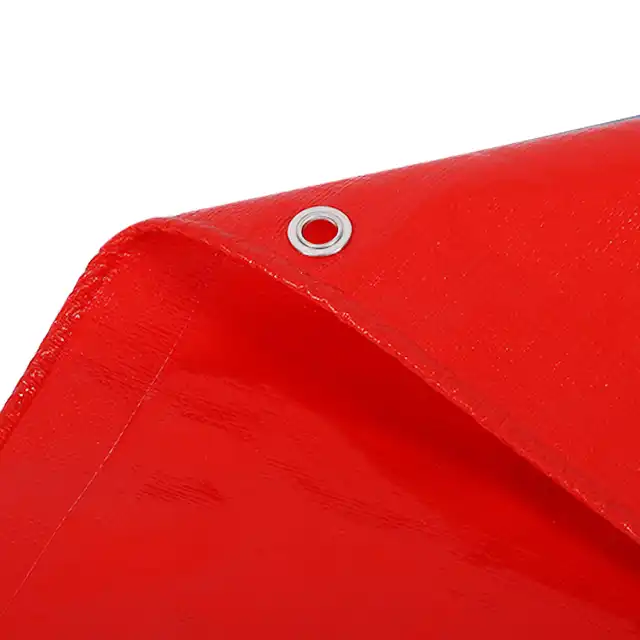
Professional canvas makers use thorough quality control systems to make sure that their products are always the best. Leading providers keep their ISO 9001:2015 certifications up to date and follow strict testing methods throughout the whole production process. Measurements of tensile strength, sealing efficiency, UV-resistant covering resilience, and tear resistance in a range of weather conditions are all used as quality standards.
Material Composition and Specifications
High-density polyethylene (HDPE) cloth with strengthened weave designs is used to make premium polyethylene tarpaulins. The thickness of the yarn used in manufacturing is usually between 400D and 2500D, which gives manufacturers a lot of options for meeting the needs of different applications. For some uses, new covering technologies improve the waterproofing while keeping the ability to breathe. Heat-sealing methods make lines that last and can handle harsh weather and a lot of use.
Testing Protocols and Certification Standards
Reputable companies hire outside testing labs to make sure that their product success measures are correct. Standard tests include checking for resistance to water entry, UV damage, temperature stability, and muscular stress. For emergency housing applications, international aid organizations like UNHCR and UNICEF set clear performance standards. These standards set the standard for quality success in the industry.
Production Capacity and Manufacturing Excellence
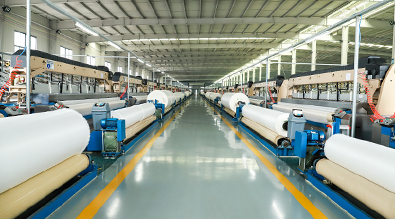
Automated water-jet looms from Korea are used in modern sheeting factories to make sure that the quality of the fabric is always the same and that production runs smoothly. Modern coating tools put even layers of protection on cloth that is 1.5 meters to 5 meters wide and doesn't have any gaps. Manufacturing scale for large-volume orders while keeping quality standards is shown by daily production abilities of more than 100 tons.
How Do Leading Manufacturers Ensure Consistent Product Quality?
Established companies like Linyi Shengde Plastic Co., Ltd set the standard for success in their field with thorough quality control systems. Shengde was founded in 2003 with an initial capital of CNY80 million. It has since built a great name around the world by consistently delivering high-quality products and making sure customers are happy. The factory that Shengde uses is 60,000 square meters big and has more than 30 high-tech extruding machines, more than 400 automatic water-jet looms, and 4 big finishing machines. This huge infrastructure allows for production of more than 36,000 tons per year while strict quality controls are kept in place. The company's ISO 9001:2015 license shows that they use structured quality management practices to keep an eye on every step of the production process. Because they do research and development, they can make products that are specific to different uses. New technologies like ultra-wide width stitching, fire-resistant tarpaulins, and better sealing formulas have been developed recently. These technology developments make Shengde a star in new ideas and make sure that their goods meet the changing needs of the market. Shengde's international relationships with UNHCR, IOM, ICRC, and UNICEF show that he can meet the strict requirements for emergency help. Products that are sent to more than 30 countries, such as Spain, the USA, Canada, Mexico, Brazil, and several developing countries, show that the quality is recognized and trusted around the world. Shengde wants all of its customers to be happy, and that goes beyond just making sure the products are good. They also offer low prices, fast shipping, and full after-sales support. Since its launch twenty years ago, the Shengde name has become a word for high-quality PE sheeting in both Chinese and foreign markets.
What Production Capabilities Should Importers Evaluate?
The ability to extrude yarn is the basis for making high-quality tarps. To make yarn that meets the standards for different thicknesses, modern facilities need more than one high-capacity extruding machine. Modern temperature control systems make sure that the features of polyethylene are at their best, and automatic tracking keeps quality from changing during constant production processes. The framework for making fabrics sets the largest possible product sizes and the most efficient way to make them. When compared to traditional sewing methods, water-jet loom technology from Korea makes the cloth more consistent. When it comes to large-scale projects that need minimal seaming, facilities that can make fabrics 5 meters wide without joints are very helpful. Protective layers are put on by coating application systems, which decide how well the end product works. Multi-station painting tools let you use different formulas for different uses, like protection to UV light, fire safety, or better waterproofing. Professional workers keep an eye on the drying conditions, covering thickness, and adhesive quality to make sure that the protected properties stay the same. Cutting, sewing, grommeting, and heat-sealing are all done on the same line for finished products. Automated systems cut down on the cost of workers and make sure that big production runs are more consistent. At various places along the production lines, quality control checks look for mistakes before the final packing, which keeps customer happiness levels high.
Which Applications Drive Global Tarpaulin Demand?
The construction industry is the main group of people who buy heavy-duty tarps. Weatherproof covers are needed on construction sites to protect materials, provide temporary shade, and keep trash in one place. Specifications usually stress how resistant the material is to tears, how well it protects against UV light, and how long it will last in tough environments. For agricultural uses, specific qualities are needed, like the ability to breathe, resistance to chemicals, and multiple placement choices. Orchard rain covers keep fruit crops safe during important growth times while still letting air flow. For aquaculture, you need walls that don't let any water or chemicals through and stop algae from growing. The transportation industry uses truck wraps and luggage security systems that are made to be aerodynamically efficient and connect securely. Marine-grade tarpaulins can stand up to saltwater and strong winds, and they protect valuable goods during long shipping times. Emergency reaction groups need housing systems that are light, easy to set up, and meet social standards. Products must be able to work reliably in harsh conditions and protect people who have to leave their homes during emergencies.
How Do Global Manufacturers Compare in Market Position?
Chinese companies make most of the world's PE tarpaulins because they have the most modern manufacturing techniques and the most reasonable price systems. To serve foreign markets well, businesses like Shengde use economies of scale, new technologies, and well-established supply lines. European companies focus on making products for specific uses that need high-quality materials and cutting-edge tech. Higher production prices make it harder to break into new markets, but they let you serve niche groups that want better performance. Southeast Asian companies fight mostly on price, but quality standards are slowly getting better. Putting money into new tools and expert training programs makes standard product groups more competitive. American companies focus on the home market and stress fast shipping and customer service that is specific to the area. Proximity benefits help meet the needs for just-in-time supply in manufacturing and building settings.
What Innovation Trends Shape Tarpaulin Technology?
Adding sensors to smart textiles lets you keep an eye on things like the surroundings, the fabric's strength, and how it's being used. Connecting sheeting systems to the internet of things makes it possible to plan repairs ahead of time and improve efficiency in real time. Using recycled plastic, making things in ways that use less energy, and using recyclable coatings are all examples of sustainable industrial practices that are better for the earth. Principles of the circular economy guide the creation of fully reusable goods that don't lose any of their usefulness. Nanotechnology can be used to improve surface qualities like making them self-cleaning, protecting against microbes, and making them more resistant to UV light. Advanced finishing formulations make things last longer and require less upkeep in a wide range of settings.
Industry Outlook and Market Evolution
Global tarpaulin markets continue expanding driven by infrastructure development, climate change adaptation, and humanitarian needs. Technological advancement enables new applications while sustainable manufacturing practices address environmental concerns. Quality differentiation becomes increasingly important as buyers prioritize long-term value over initial cost considerations.
Partner with Shengde for Premium Tarpaulin Solutions
Shengde combines two decades of manufacturing excellence with cutting-edge production capabilities to deliver superior tarpaulin solutions worldwide. Our comprehensive product range includes PE tarpaulin sheets and rolls, truck covers, impermeable aquaculture tarps, and specialized outdoor protection systems. As a trusted tarpaulins manufacturer, we maintain partnerships with international humanitarian organizations while serving commercial markets across 30+ countries. Contact us at info@shengdetarp.com to discuss your specific requirements and experience the Shengde difference in quality, reliability, and service excellence.
References
1. Johnson, M. (2023). "Industrial Textile Manufacturing: Quality Standards and Global Market Analysis." International Textile Research Journal, Vol. 45, No. 3, pp. 127-145.
2. Chen, L. & Williams, R. (2022). "Polyethylene Tarpaulin Performance Evaluation in Emergency Shelter Applications." Humanitarian Engineering Quarterly, Issue 8, pp. 78-92.
3. Thompson, K. (2023). "Supply Chain Management in the Global Tarpaulin Industry: A Comparative Study." Industrial Manufacturing Review, Vol. 31, No. 2, pp. 203-218.
4. Martinez, A. (2022). "Innovation Trends in Protective Textile Manufacturing: Sustainability and Performance Enhancement." Advanced Materials Processing, Vol. 18, No. 4, pp. 156-171.
5. Singh, P. & Kumar, S. (2023). "Quality Control Systems in Large-Scale Textile Manufacturing: Case Studies from Leading Asian Producers." Manufacturing Excellence Journal, Vol. 12, No. 1, pp. 45-62.
6. Roberts, J. (2023). "Market Dynamics and Competitive Analysis in the Global Tarpaulin Industry." International Trade and Manufacturing, Vol. 29, No. 3, pp. 112-128.