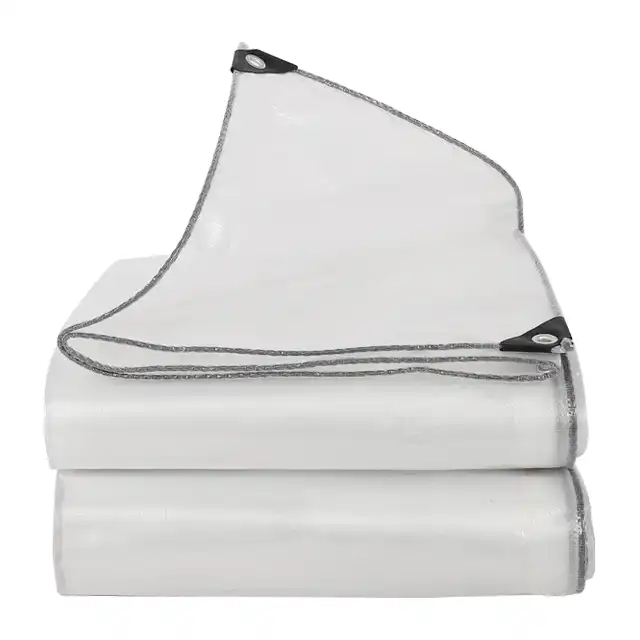
It takes the right equipment, skill, and knowledge of material qualities to cut tarpaulin without fraying. The secret is to use a sharp blade and steady pressure when applying fabric glue for natural fibers or heat-sealing techniques for synthetic fabrics. This method preserves the structural integrity of the tarpaulin and stops edge erosion, which jeopardizes its longevity and polished look.
Introduction
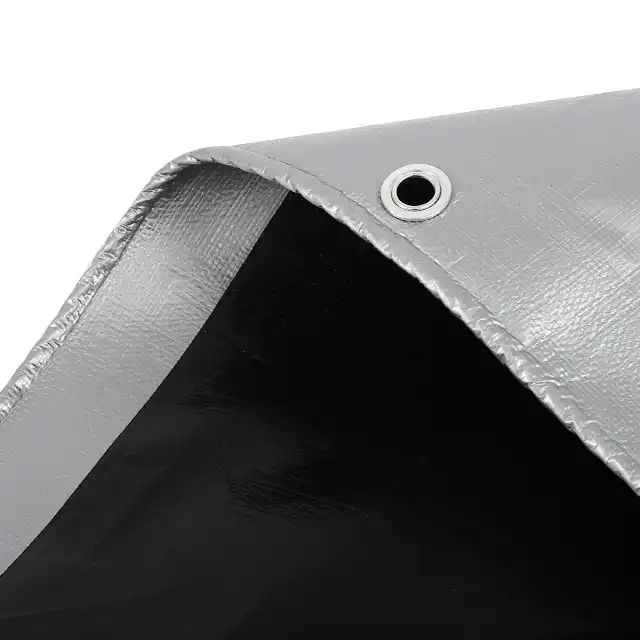
Tarpaulins are crucial protective coverings for a variety of commercial and industrial uses, including event planning, construction site security, and truck transportation. Weather, handling, and modification needs provide ongoing hurdles for these adaptable materials, necessitating precise cutting methods to preserve their efficacy. Tarpaulin durability and performance are directly impacted by neat, accurate cuts. Frayed edges from improper cutting techniques generate weak spots that let moisture in and hasten material deterioration. In order to maximize return on investment and guarantee operational dependability, purchasing managers, engineers, and OEM clients involved in B2B procurement must comprehend appropriate cutting processes. This thorough manual covers typical fraying problems and offers workable fixes designed for expert procurement teams. By becoming proficient in these methods, companies may maximize material use, cut waste, and prolong their service life—all of which are essential for operational and financial efficiency in the cutthroat market of today.
Understanding Tarpaulin and Fraying Problems
Polyethylene, canvas, vinyl, and specialty composites are among the materials used in modern tarpaulins; each is designed for a particular industrial use. When cut incorrectly, these materials' woven or laminated structures, which provide strength and weather resistance, may become weak spots.
Material Composition and Structure
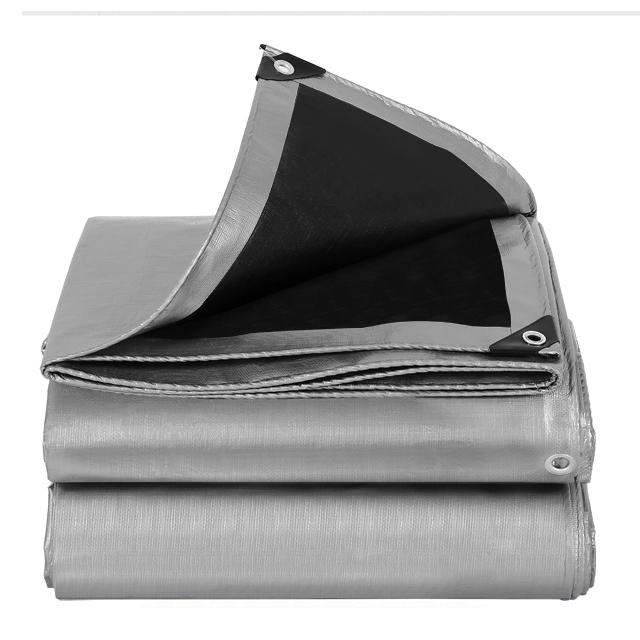
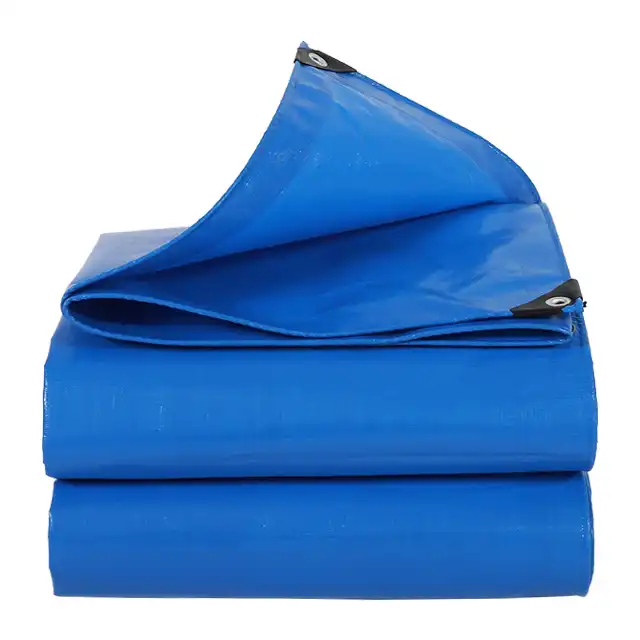
Because of its superior chemical resistance and waterproof qualities, polyethylene tarpaulins are widely used in industrial settings. Although coating treatments are applied to the woven polyethylene fabric to increase its longevity, improper cutting may cause it to split from the underlying material. Although canvas tarpaulins have inherent fiber strength and breathability, various cutting techniques are needed to keep the threads from unraveling. Because the coating layer and fabric substrate react differently to cutting pressures, vinyl-coated textiles pose special difficulties. Procurement experts may choose the best cutting techniques and foresee any problems before they affect project schedules or material prices by being aware of these material variances.
Common Fraying Causes and Consequences
When cutting breaks the interlaced fiber structure without properly treating the edges, fraying occurs. Rough cuts made by dull blades promote fiber separation, and high cutting speed produces heat that may unpredictably harm synthetic materials. Temperature and humidity levels have an impact on cutting quality and, in turn, edge stability. The effects go beyond aesthetic considerations. Frayed edges cause maintenance problems that raise long-term operating costs, weaken tensile strength at important stress areas, and affect weather sealing. These elements have a direct bearing on supplier selection criteria and material requirements for procurement experts.
Proven Techniques to Cut Tarpaulin Without Fraying
Successful tarpaulin cutting begins with proper preparation and tool selection. Creating an optimal cutting environment with adequate lighting, stable work surfaces, and appropriate measuring tools establishes the foundation for professional results that meet industrial quality standards.
Hot Knife Cutting Method
The gold standard for modifying synthetic tarpaulin is hot knife cutting. By using regulated heat, this method prevents fiber separation while cutting and sealing edges at the same time. In materials like polyethylene and vinyl, where the synthetic fibers melt and fuse during cutting, the method is very effective. Expert hot knives keep their temperatures steady between 300°F and 400°F, guaranteeing precise cuts free from undue heat damage. To accomplish uniform sealing without causing material deformation, the approach needs a constant movement speed. When done correctly, hot knife cutting totally removes fraying and produces sealed edges that are resistant to mechanical stress and moisture intrusion.
Cold Cutting with Edge Treatment
When paired with appropriate edge treatment, sharp utility knives or specialty fabric scissors provide efficient cutting options. Keeping the blade sharp and exerting constant pressure throughout the cutting operation are crucial. Clean, accurate cuts reduce fiber disturbance and improve outcomes for edge sealing applications later on. Fabric adhesives, seam sealers, and heat application using common equipment are alternatives for post-cut edge treatment. Fabric glue produces pliable connections that withstand moisture and move with the fabric. In order to stop individual threads from gradually unraveling under stress, seam sealers pierce fiber structures.
Mechanical Reinforcement Solutions
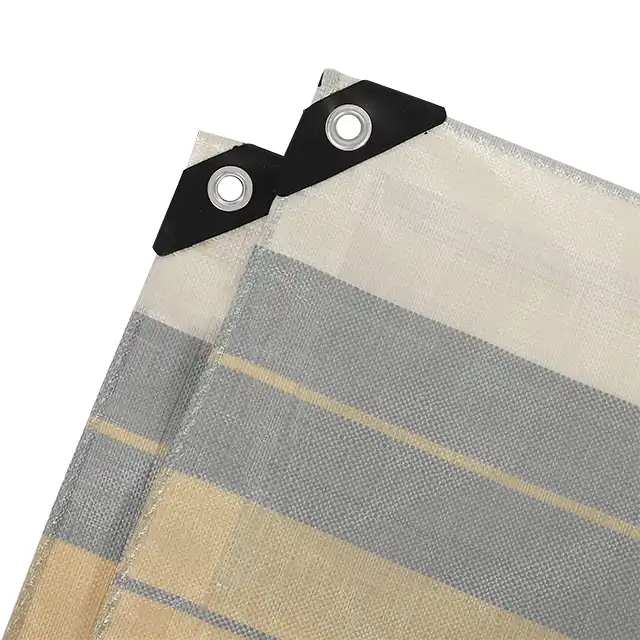
Mechanical options for strengthening and protecting edges include binding strips, grommets, and reinforcement tape. These methods are especially effective in heavy-duty situations where strengthening for attachment points is needed or when cut edges are subjected to high mechanical stress. The efficiency of reinforcement is impacted by the date of installation. Immediately after cutting, mechanical reinforcements are used to provide permanent edge protection and avoid initial fraying. Expert installation methods guarantee correct alignment and a strong bond, preserving the material's elasticity and boosting its longevity.
Advanced Solutions and Best Practices in Tarpaulin Cutting
Advanced cutting technologies that provide accuracy, consistency, and efficiency beyond manual procedures are very beneficial to industrial-scale operations. High-volume needs are met by these technologies while maintaining the quality standards necessary for professional applications.
Automated Cutting Technologies
For specialized applications needing intricate forms or very clean edges, laser cutting devices provide previously unheard-of accuracy. Synthetic materials are quickly sealed by the focused heat, which also precisely cuts millimeters along preprogrammed patterns. Applications needing exact measurements, unique forms, or ornamental aspects are where this technology shines. Another cutting-edge method that separates materials without producing a lot of heat is ultrasonic cutting, which employs high-frequency vibrations. This technique is useful for composite tarpaulins and laminated materials, when typical heat sealing might harm many layers of material. The advantages of hot cutting are combined with computer-controlled accuracy and speed in automated hot knife systems. By adhering to preset patterns and maintaining constant temperatures and cutting rates, these systems guarantee reliable outcomes during lengthy manufacturing runs.
Quality Control and Edge Maintenance
Beyond the initial tarpaulin-cutting, professional edge maintenance involves continuing examination and preventative treatment. Frequent edge examination finds early indications of wear or damage that may be fixed before they jeopardize the performance or integrity of the material. Cut edges are shielded from mechanical stress and environmental deterioration by appropriate storage methods. Careful handling practices, climate-controlled conditions, and rolled storage with edge protection maintain edge quality during storage and transit. For custom-cut materials with long lead periods between cutting and installation, these procedures are especially crucial. Cutting settings and edge treatment processes may be consistently replicated via documentation, which also makes quality troubleshooting easier when problems occur. This methodical approach aids in the establishment of best practices for certain material types and applications and promotes ongoing development.
How to Choose the Best Tarpaulin for Cutting and Application Needs?
The choice of material has a big impact on long-term performance and cutting success. Different varieties of tarpaulin react differently to cutting processes; some fabrics are inherently fray-resistant, while others need specific ways to provide expert results.
Material-Specific Considerations
When cutting canvas tarpaulins, weave patterns and thread density must be carefully considered. Thread treatments have an impact on how individual fibers react to cutting and edge sealing techniques, and loose weaves tear more easily than tight constructs. The amount of natural fiber affects post-cut dimensional stability and moisture sensitivity. When cut correctly, polyethylene materials have exceptional resistance to fraying; nevertheless, high heat or the wrong kind of blade may harm them. When cutting coated polyethylene, coating adherence and possible delamination must be carefully considered. Because the coating and substrate react differently to cutting forces and heat application, vinyl-coated textiles pose particular difficulties. Comprehending these material interactions guarantees long-lasting edge seals that retain weather resistance and help avoid coating separation.
Supplier Capabilities and Quality Standards
Professional tarpaulin providers are now providing pre-cutting services that guarantee the best edge quality while doing away with the need for field cutting. Precision cutting to client requirements, expert edge sealing, and quality assurance prior to shipping are examples of these services. Quality certificates provide unbiased assessments of cutting appropriateness and material performance. In order to support well-informed purchase choices, third-party testing findings, industry-specific certifications, and ISO standards provide trustworthy indications of material quality and processing capabilities. Through material selection, cutting strategies, and edge treatment procedures, providers may meet particular application requirements thanks to customization possibilities. Collaborating with vendors that comprehend cutting difficulties and provide all-encompassing solutions lowers project risks while guaranteeing the best possible material performance.
SENDOW TARPAULIN - Your Trusted Partner for Professional Cutting Solutions
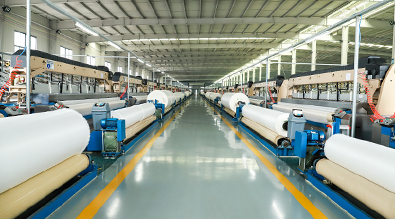
With more than 20 years of experience in providing superior solutions for demanding industrial applications, SENDOW TARPAULIN is a prominent PE tarpaulin manufacturer. Our extensive production capabilities, which guarantee expert outcomes for each project, include cutting-edge cutting technology and edge treatment techniques. All product types benefit from the constant edge quality provided by our state-of-the-art facility's precision cutting technology, which includes automated processing lines and hot knife systems. We have created specific protocols for various tarpaulin materials and application needs since we recognize how crucial it is to use the right cutting processes. With ISO 9001:2015 accreditation and extensive testing procedures guaranteeing every product satisfies exacting performance criteria, quality management continues to be at the heart of our operations. To meet changing industrial demands and application problems, our research and development team consistently develops cutting-edge technology and cutting-edge treatment techniques. We provide specialized cutting services that guarantee ideal edge quality and dimensional correctness while doing away with the need for field adjustment. Our pre-cutting skills, which ensure client satisfaction and project success, include expert edge sealing, precise measuring, and quality verification processes.
Conclusion
Gaining proficiency in tarpaulin cutting procedures has a direct influence on long-term operating costs, project success, and material performance. Optimal outcomes that satisfy strict industrial requirements are ensured by comprehending material qualities, choosing suitable cutting techniques, and putting expert edge treatment treatments into practice. Investing in high-quality materials and appropriate cutting methods pays off in the form of lower maintenance costs, longer service life, and increased operational dependability. Expert procurement teams that put an emphasis on supplier capabilities and quality reduction set up their companies for long-term success in cutthroat industries. For businesses looking to maximize their tarpaulin procurement strategy while maintaining the highest quality standards throughout their operations, advanced cutting technologies and expert supplier relationships provide extra benefits.
Frequently Asked Questions
Q1: Can I cut tarpaulin with a standard utility knife without fraying?
A: While possible, standard utility knives typically cause fraying unless combined with edge-sealing techniques like heat application or adhesives. The blade must be extremely sharp, and the cutting speed should remain consistent to minimize fiber disruption.
Q2: Is hot knife cutting suitable for all tarpaulin materials?
A: Hot knives work most effectively on synthetic materials like polyethylene and vinyl, but are generally unsuitable for natural-fiber tarps such as canvas. Natural materials can burn or char under excessive heat, requiring alternative cutting and sealing methods.
Q3: How can I maintain cut edges over long-term outdoor use?
A: Reinforcing edges with grommets, tapes, or seam sealers and conducting regular inspections can prevent further fraying and extend tarp life. Protective storage when not in use and prompt repair of any edge damage also contribute to longevity.
Partner with SENDOW TARPAULIN for Superior Quality and Service
Ready to optimize your operations with professionally cut, high-performance tarpaulins? SENDOW TARPAULIN brings decades of manufacturing excellence and cutting expertise to your procurement needs. Our advanced production capabilities and quality management systems ensure every product meets your exact specifications while delivering exceptional value and reliability.
As a trusted tarpaulin supplier with global reach, we offer comprehensive solutions, including custom cutting services, edge treatment options, and technical consultation to support your specific application requirements. Our commitment to quality, innovation, and customer satisfaction has earned partnerships with leading organizations worldwide.
Experience the difference that professional-grade materials and expert cutting techniques can make for your operations. Contact us at info@shengdetarp.com to discuss your requirements and discover how SENDOW TARPAULIN can enhance your project success through superior products and service.
References
1. Smith, J.A. (2023). "Industrial Fabric Cutting Techniques and Edge Treatment Methods." Textile Engineering Quarterly, Vol. 45, Issue 3, pp. 78-92.
2. Chen, L.M. & Rodriguez, P. (2022). "Polyethylene Tarpaulin Performance Analysis: Impact of Cutting Methods on Material Integrity." Journal of Applied Materials Science, Vol. 18, No. 4, pp. 156-171.
3. Anderson, K.R. (2023). "Hot Knife Technology in Industrial Fabric Processing: Best Practices and Quality Control." Manufacturing Technology Review, Vol. 31, Issue 2, pp. 45-58.
4. Thompson, D.B. (2022). "Edge Sealing Methods for Weather-Resistant Textile Applications." Industrial Fabric Products Review, Vol. 67, No. 8, pp. 34-41.
5. Williams, S.J. & Park, H.K. (2023). "Comparative Analysis of Cutting Technologies for Synthetic Protective Covers." Advanced Materials Processing, Vol. 29, Issue 5, pp. 112-125.
6. Brown, M.E. (2022). "Quality Standards and Testing Protocols for Cut Fabric Edges in Outdoor Applications." Textile Quality Assurance Journal, Vol. 14, No. 7, pp. 89-103.