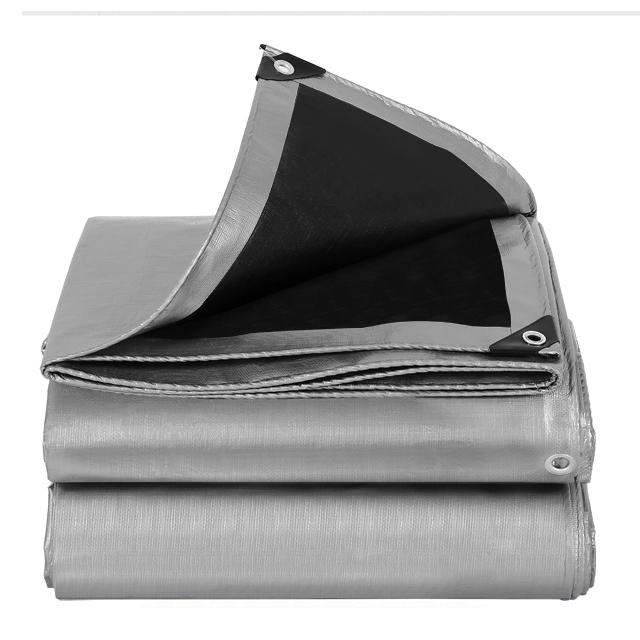
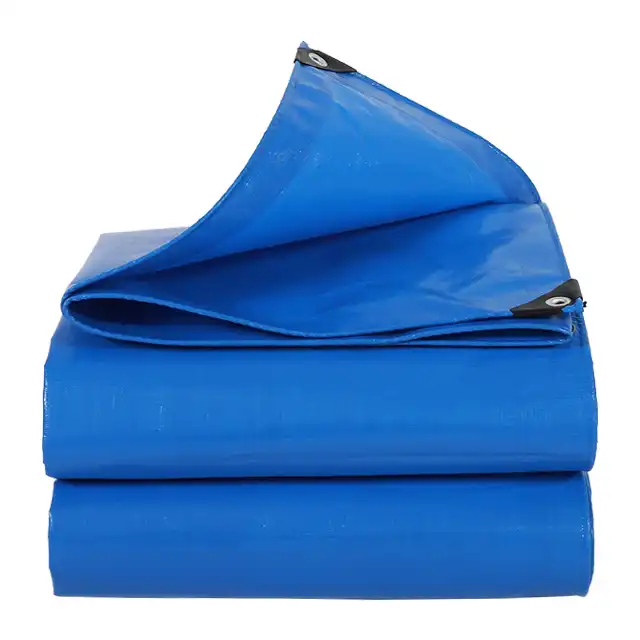
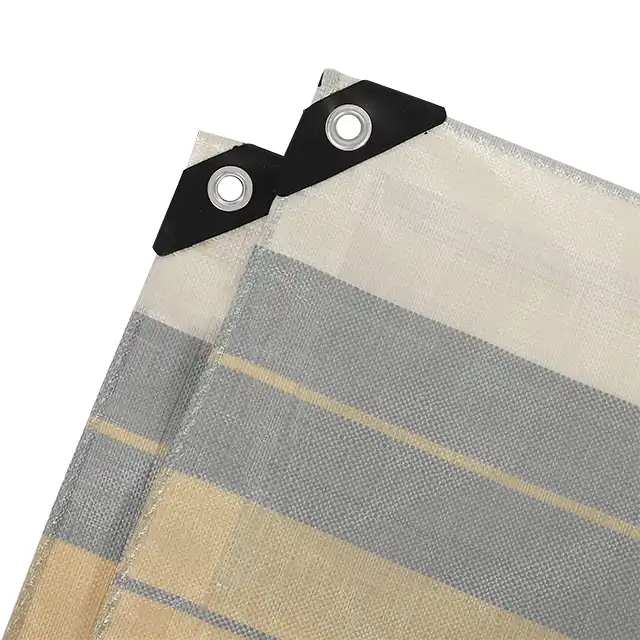
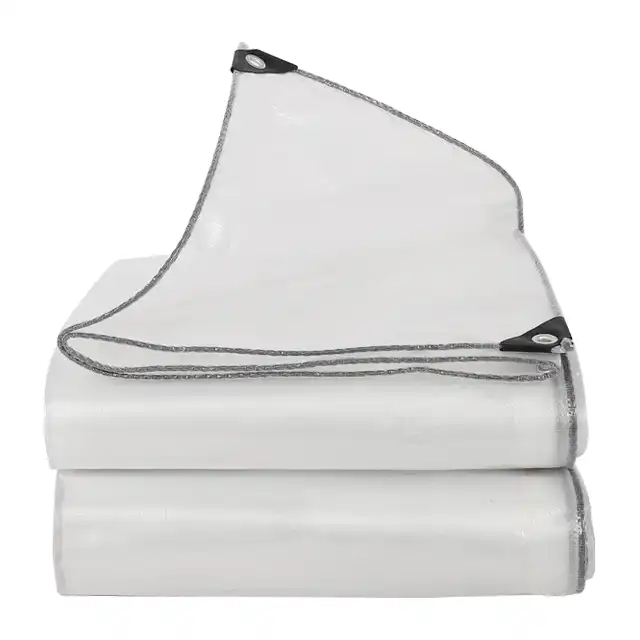
In Kenyan agriculture, PE tarpaulin has become an essential instrument that has revolutionized the way farmers safeguard their equipment and crops in the country's varied agricultural terrain. Polyethylene sheets have many vital uses that increase output and lower losses, from protecting greenhouses in the middle highlands to storing food along the coast. These adaptable waterproof coverings provide crucial defense against erratic weather patterns, UV rays, and insect infestation. Heavy-duty tarps for crop protection, moisture barriers for soil management, and weatherproof fabric solutions for equipment storage are all beneficial to the agricultural industry and are thus crucial investments for sustainable farming methods throughout Kenya.
Essential Agricultural Applications of Polyethylene Covers

Crop Protection and Weather Shielding
Kenyan farmers rely heavily on UV resistant tarpaulins to protect their crops from harsh weather conditions. During the rainy seasons, waterproof covers shield delicate vegetables and fruits from excessive moisture that could lead to fungal infections. The reinforced edges of quality tarps ensure longevity even under strong winds that are common in highland regions. Farmers cultivating tomatoes, cabbages, and other sensitive crops use these protective barriers to maintain optimal growing conditions. The tear resistant properties of professional-grade PE tarpaulin make them suitable for repeated use across multiple growing seasons.
Greenhouse and Nursery Operations
Specialized greenhouse coverings that control humidity and temperature are used in contemporary greenhouse operations across Kenya. These permeable coverings preserve barriers against illnesses and pests while enabling enough air circulation. UV-stabilized materials provide year-round performance by preventing deterioration in the face of strong equatorial sunshine. These regulated conditions are especially advantageous to nursery companies, which witness improved seedling growth and increased germination rates. Certain polyethylene materials' transparent qualities maximize light transmission for photosynthesis while obstructing dangerous radiation.
Post-Harvest Storage Solutions
One of the most important uses of industrial tarps in Kenyan agriculture is grain storage. To build temporary storage spaces that shield harvested crops from dampness, vermin, and contamination, farmers employ multifunctional tarps. Quality deterioration while storage is avoided by the dustproof cover feature. Tarp rolls are often used by large-scale farmers to cover large storage spaces, especially for key commodities like wheat and corn. Post-harvest losses, which historically had a major financial effect on smallholder farmers, are greatly decreased by these moisture barriers.
Leading PE Tarpaulin Manufacturers Serving Kenyan Agriculture
Shengde - Premium Quality Solutions
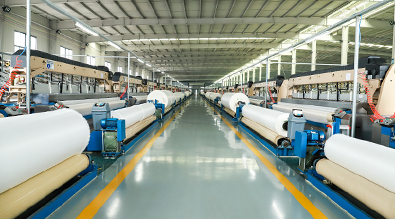
Since 2003, Linyi Shengde Plastic Co., Ltd. has been the leading producer of PE tarpaulin for Kenyan agricultural markets. Shengde is the top company in the Chinese PE tarpaulin market thanks to its CNY 80 million registered capital and more than 20 years of superior manufacture. The business has cutting-edge facilities with more than 400 automated water-jet looms imported from Korea, four sizable fabric coating machines, and more than thirty sophisticated extrusion equipment. With the help of this cutting-edge infrastructure, cloth widths ranging from 1.5 to 5 meters may be produced without joints, satisfying a variety of agricultural needs. With ISO 9001:2015 accreditation and extensive quality monitoring systems, Shengde's dedication to quality management sets industry standards. Their capacity for research and development has resulted in ground-breaking inventions such as 4-meter-wide tarpaulin goods, ultra-wide width braiding machines, and improved waterproof and fire resistance. With collaborations with UNHCR, IOM, ICRC, and UNICEF, Shengde exhibits remarkable dependability and high standards of quality. The business ensures local farmers have access to high-quality outdoor protection solutions by exporting to more than 30 countries, including Kenya, where it has a significant market presence.
Industrial Applications Manufacturing
A number of producers concentrate only on industrial uses that support agricultural activities and construction tarps. These businesses usually focus on heavy-duty criteria appropriate for infrastructure construction and equipment protection. Enhanced rip resistance and stronger edge construction are common features of their goods. When it comes to covering equipment during off-seasons, many agricultural contractors like these sturdy options. Long-term value for commercial agricultural activities is provided by the durability parameters, which often surpass standard requirements.
Specialized Aquaculture Solutions
A rising sector of Kenyan agriculture is aquaculture, which calls for specific impermeable tarp solutions for fish farming operations and pond development. Manufacturers in this industry provide goods with improved sealing capabilities and particular chemical resistance characteristics. These waterproof coverings need to be able to endure continuous exposure to water without losing their structural soundness. Degradation in outdoor pond conditions is prevented by the UV stabilized formulations. Reputable manufacturers provide professional assistance for appropriate maintenance and installation practices.
Regional Distribution Networks
Through well-established supply chains, efficient distribution networks guarantee Kenyan farmers have access to high-quality tarpaulin goods. Prominent distributors maintain stock levels to accommodate the seasonal variations in demand that are common in agricultural markets. Technical advice on product selection and application techniques is often offered by these networks. Regional representatives provide suitable specifications for certain crops and situations since they are aware of local farming practices. Consistent product availability throughout crucial agricultural times is made possible by dependable distribution agreements.
Packaging and Transportation Specialists
Packaging material companies provide transportation protection systems and truck cover solutions to agricultural markets. These producers are aware of the logistical difficulties involved in transporting agricultural goods from fields to marketplaces. Their goods often include qualities like lightweight construction for convenient handling and simple folding mechanisms. Particular attention must be paid to wind resistance and robust fastening mechanisms because of the emphasis on transportation applications. For dependable cargo protection, several items include tie-down points and reinforced grommets.
Custom Manufacturing Solutions
Through customized product creation and specification revisions, custom manufacturers meet particular agricultural needs. These businesses often collaborate closely with extensive agricultural operations to provide solutions tailored to certain applications. Custom size, color requirements, and specialist coating applications are among their competences. Innovation in material qualities and performance characteristics is made possible by expenditures in research and development. Exact operational and environmental criteria are met by goods thanks to close customer engagement.
Quality Certification Leaders
Manufacturers that prioritize quality certification show that they are dedicated to maintaining regulatory compliance and consistent performance requirements. These businesses make large investments in quality assurance procedures and testing equipment. Third-party certifications provide farmers assurance about the performance requirements and dependability of the products. Warranty programs and customer service activities are supported by thorough quality documentation. Frequent auditing techniques guarantee ongoing enhancements to production processes and product quality.
Technology Innovation Pioneers
Manufacturers that prioritize innovation employ breakthrough material technologies and production techniques to drive industry progress. These businesses often own patents for unique cloth fabrication and coating processes. Investing in research centers makes it possible to produce specific surface treatments, increased UV protection, and higher tear resistance. Product development that is in line with farming demands is supported by technology agreements with agricultural research organizations. Precision control over product specs and performance attributes is made possible by advanced production capabilities.
Sustainable Production Advocates
Some firms use recyclable materials and sustainable manufacturing methods because they care about the environment. These businesses often place a strong emphasis on lessening their influence on the environment via waste reduction programs and effective production techniques. Biodegradable alternatives and improved recyclability characteristics are examples of sustainable product lines. Certifications for green manufacturing show a dedication to environmental stewardship. Global agricultural trends toward ecologically friendly farming methods are in line with long-term sustainability initiatives.
Market Leadership and Brand Recognition
Well-known industry leaders successfully service agricultural industries by using their well-established brands and track records. These businesses usually have sizable clientele that they have developed by dependable, high-quality service. Stronger brands often result in improved market access and distribution alliances. Years of good product performance and satisfied customers are reflected in agricultural markets' reputations. Positions of market leadership allow for ongoing investments in projects aimed at improving services and developing new products.
Industry Trends and Agricultural Development
The PE tarpaulin industry continues evolving to meet changing agricultural demands in Kenya and throughout East Africa. Climate change adaptation requires enhanced weather resistance and durability specifications. Technology integration includes smart monitoring systems and improved material performance. Sustainable development practices increasingly influence product design and manufacturing processes. Market growth reflects expanding agricultural mechanization and commercial farming adoption across the region.
Conclusion
PE tarpaulins represent essential tools for modern Kenyan agriculture, providing versatile protection solutions that enhance productivity and reduce losses across diverse farming operations. From crop protection and greenhouse applications to post-harvest storage and equipment security, quality waterproof covers deliver measurable benefits that justify their investment. The selection of reliable manufacturers with proven track records ensures farmers access products that perform consistently under challenging environmental conditions. As agricultural practices continue to modernize throughout Kenya, the demand for high-quality, durable tarpaulin solutions will continue growing, making manufacturer selection increasingly important for long-term farming success.
Partner with Shengde for Superior Agricultural Protection Solutions
Shengde is the best PE tarpaulin provider for your agricultural activities because of our two decades of manufacturing quality and track record of supporting Kenyan agriculture. You will obtain high-quality outdoor protection solutions that are customized to meet your unique demands thanks to our sophisticated production capabilities, thorough quality assurance, and commitment to customer satisfaction. Whether you need equipment protection, grain storage solutions, or greenhouse coverings, our team of professionals offers technical assistance and product suggestions based on their in-depth knowledge of the agricultural business. To discuss your needs and learn how our cutting-edge tarpaulin solutions may improve your agricultural output and safeguard your priceless assets, send us an email at info@shengdetarp.com.